Early structural training
During the first 2–3 years, select 3–5 strong scaffold branches and remove competing leaders to build a stable, open canopy that can carry fruit weight without splitting later.

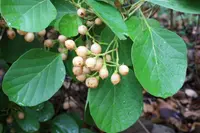
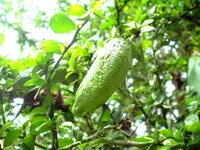
Assyrian plum (Cordia myxa) is a medium to large deciduous tree grown for its small, olive-like fruits and broad, dense crown. It belongs to warm temperate and subtropical regions. The tree naturally occurs from the Middle East through parts of South and Central Asia, where it is often found in lowland forests and cultivated in rural landscapes. Its spreading canopy and moderate growth rate make it useful for shade. Cordia myxa tolerates heat and short dry periods but prefers consistent moisture and reasonably fertile, well-drained soil. For those who want to learn how to care for Assyrian plum, its main challenges are sensitivity to severe frost and a need for warm growing seasons.

Care Difficulty
Moderate Care

Light Preference
Full Sun

Water Requirements
Regular Water

Temperature Preference
Tropical / Frost Sensitive

Hardiness Zone
10–12

Soil Texture
Sandy, Loamy, Clay

Soil pH
Slightly acidic (6.5–7.0), Slightly alkaline (7.0–7.5)

Soil Drainage
Moist but well-drained

Fertilization
Minimal (feed rarely)
Scan your plant to receive care tips personalized for your specific plant
Available on iOS and Android
Cordia myxa benefits from abundant sun in warm climates but tolerates some light shade.
Cordia myxa prefers evenly moist, well-drained soil, especially while establishing.
This species thrives in warm climates and is sensitive to freezing conditions.
Cordia myxa prefers moderately dry to slightly humid air but adapts to typical outdoor ranges.
Cordia myxa grows best in deep, loose, well‑drained mineral soils that still retain some moisture.
This species can be grown in large containers when space or climate makes in‑ground planting difficult.
Cordia myxa benefits from modest, balanced feeding rather than heavy fertilization.
Pruning Cordia myxa focuses on maintaining a strong framework and removing weak wood.
Cordia myxa is usually field-grown, so transplanting young trees correctly is more important than frequent repotting.
Cordia myxa is commonly propagated from seed, with vegetative methods used where specific traits are desired.
Cordia myxa prefers warm climates and needs thoughtful winter care in cooler regions.

Plant Health Check
Not sure what's wrong with your plant? Check your plant's health inside the app.
The fruits produce abundant sticky mucilage that makes them readily adhere to each other and to surfaces, which aids in seed dispersal and gives the tree the common name glueberry in some regions.
Analyses of leaf tissue show relatively high calcium content compared with many other dryland trees, contributing to its value as fodder for livestock in parts of South Asia and the Middle East.
The species is well adapted to semi-arid climates, with deep roots and efficient water use that allow it to survive long dry periods once established, making it useful for dryland agroforestry and shelterbelts.

Archaeobotanical evidence indicates that its fruits and wood were used by early agricultural societies in the Near East, and the species is mentioned in historical texts from ancient Mesopotamia, pointing to a long-standing association between humans and this tree.
This species is generally fast-growing in warm climates, often adding 60–90 cm of height per year once established. Growth slows in poor soil, under drought stress, or where temperatures are cooler than its preferred range.
Keep your plants happy and healthy with plant identification, disease detection, and easy care guidance.