Early stake training
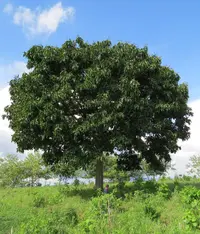
Install a sturdy stake and loosely tie young shoots while they are still flexible so the tree develops a straight, wind-resistant trunk before the wood becomes brittle.

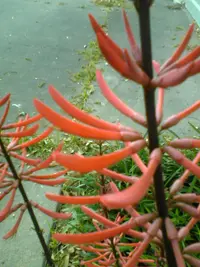
American coral tree, Erythrina americana, is a deciduous tree known for its striking red, tubular flowers and stout, thorny branches. It has a broad, irregular crown and can form a dramatic focal point in warm landscapes.
This species is native to Mexico and parts of Central America, where it grows in dry forests and open areas. Its showy blooms attract hummingbirds and other pollinators.
The plant prefers full sun, warmth, and well-drained soil, and it dislikes prolonged cold or waterlogged conditions. Understanding how to care for American Coral Tree helps gardeners succeed with this distinctive ornamental tree.

Care Difficulty
Moderate Care

Light Preference
Full Sun

Water Requirements
Moderate Water

Temperature Preference
Warm Climate

Hardiness Zone
9–11

Soil Texture
Sandy, Loamy, Organic-rich

Soil pH
Slightly acidic (6.5–7.0), Neutral (7.0)

Soil Drainage
Well-drained

Fertilization
Minimal (feed rarely)
Scan your plant to receive care tips personalized for your specific plant
Available on iOS and Android
This sun-loving tree thrives in bright, open conditions but tolerates some shade in hot climates.
This drought-tolerant tree prefers deep, infrequent watering once established.
This species is a warm-climate tree that needs protection from hard frost.
This species tolerates a wide humidity range and usually does not need special humidity management indoors or outdoors.
Erythrina americana prefers fast-draining, moderately fertile soil that never stays waterlogged.
This species can be grown in containers when given a stable, well-drained setup that accommodates its vigorous roots and top-heavy canopy.
This nitrogen-fixing tree needs modest nutrition, so fertilizing mainly supports container or poor-soil specimens of American Coral Tree.
Pruning Erythrina americana manages size, improves structure, and maintains safe, flowering wood.
This species is usually grown in the ground; focus on careful transplanting rather than frequent repotting.
Erythrina americana is commonly propagated from seeds and semi-hardwood cuttings.
This subtropical tree has limited frost tolerance and often needs winter protection in cooler climates.

Plant Health Check
Not sure what's wrong with your plant? Check your plant's health inside the app.
This species is native to central and southern Mexico and appears in pre‑Hispanic codices and traditions, where its bright red flowers and seeds were used as symbols of war and sacrifice.
Its tubular, vivid red flowers produce nectar timed with local dry‑season flowering, and are a major food source for several Neotropical hummingbird species that act as its primary pollinators.
Like other members of the pea family, it forms root nodules with nitrogen‑fixing bacteria, allowing it to enrich poor soils while developing into a medium‑sized deciduous tree used for living fences and shade in traditional agroforestry systems.

In parts of Mexico, large living fences and boundary lines made almost entirely from this species are maintained for generations, as cut branches readily root and grow into long‑lasting, interconnected rows of trees that mark property limits and provide shade, habitat, and biomass in rural landscapes.
Poor flowering usually comes from inadequate light, heavy pruning at the wrong time, or excess nitrogen fertilizer. Frost damage to young shoots and drought stress can also reduce flower bud formation for several seasons.
Keep your plants happy and healthy with plant identification, disease detection, and easy care guidance.