Guarianthe bowringiana Care

Guarianthe bowringiana

About Guarianthe bowringiana

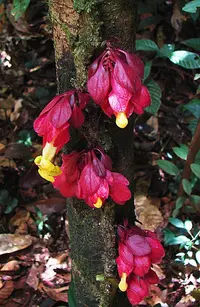
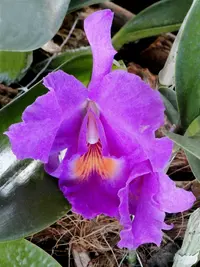
Guarianthe bowringiana is an epiphytic orchid, often grown as a showy houseplant or greenhouse specimen. It produces tall canes topped with clusters of medium-sized, bright purple to lavender flowers. Leaves are typically narrow and leathery, carried on elongated pseudobulbs that store water and help the plant handle short dry periods. In nature it grows on trees or rocks in Central America, especially in Guatemala and neighboring regions. This species is considered relatively forgiving for a Cattleya-type orchid, as long as it receives good light, regular moisture with fast drainage, and plenty of air movement. Understanding how to care for Guarianthe bowringiana starts with mimicking its bright, airy, and seasonally drier native habitat.

Main Plant Requirements

Care Difficulty

Moderate Care

Light Preference

Partial Shade

Water Requirements

Moderate Water

Temperature Preference

Tropical / Frost Sensitive

Hardiness Zone

11–12

Soil Texture

Sandy, Organic-rich

Soil pH

Acidic (5.5–6.5)

Soil Drainage

Well-drained

Fertilization

Moderate (every 2–4 weeks)

Get Personalized Care Plan

Scan your plant to receive care tips personalized for your specific plant

Available on iOS and Android

How to Care for the Guarianthe bowringiana

This orchid prefers bright, filtered light similar to bright woodland edges.

  • Provide 4–6 hours of bright, indirect light daily, with soft morning sun and protection from harsh midday and summer afternoon rays.
  • Outdoors, place Guarianthe bowringiana under 30–50% shade cloth or dappled tree shade; indoors, use a sheer curtain to diffuse direct sun.
  • Watch leaves for feedback: dark, limp foliage indicates too little light, while yellow patches or crispy tips suggest sunburn and excess direct sun.

This species prefers evenly moist but fast-draining conditions around its roots.

  • Water when the top 2–3 cm of the potting mix feels dry, allowing water to flow freely through and fully drain away.
  • During active growth in spring and summer, expect to water more often; reduce frequency in fall and winter as growth and evaporation slow.
  • Signs of trouble include yellowing, mushy pseudobulbs or sour smell from overwatering, and wrinkled pseudobulbs or dry, papery roots from underwatering.

This orchid thrives in intermediate to warm conditions with stable, frost-free temperatures.

  • Aim for 65–80°F (18–27°C) by day and 58–65°F (14–18°C) at night for steady growth and reliable flowering.
  • Protect from temperatures below 50°F (10°C); light, brief dips to 45°F (7°C) may be tolerated but repeated chills stunt growth.
  • In hot spells above 88–90°F (31–32°C), increase shade and air movement, and avoid placing the plant near hot walls, metal surfaces, or enclosed patios.

This orchid prefers moderately high humidity to support healthy growth and flowering.

  • Aim for 50–70% humidity, with consistent levels around the plant rather than sharp daily swings.
  • It tolerates brief dips to 35–40%, but prolonged dry air causes shriveled pseudobulbs and wrinkled leaves.
  • Increase humidity with a pebble tray, grouped plants, or a small humidifier, while keeping foliage well ventilated to prevent fungal issues.

Guarianthe bowringiana grows best in a very airy, fast-draining epiphytic-style mix rather than dense potting soil.

  • Use a coarse orchid mix of medium bark, perlite, and a small amount of sphagnum moss to retain some moisture without becoming soggy.
  • Ensure the structure is loose, with large particles that let air reach the roots and water drain through within a few seconds.
  • Aim for slightly acidic to neutral conditions around pH 5.5–7.0, which helps nutrient uptake and prevents root stress.
  • Avoid compact peat-based mixes or garden soil, which hold water too long and promote root rot in this epiphytic orchid.

This species is well suited to container growing when given a stable, airy setup.

  • Choose a relatively heavy pot or add top dressing stones to prevent tall pseudobulbs from tipping the container.
  • Select a pot just 2–3 cm wider than the root mass to keep the coarse orchid mix drying evenly between waterings.
  • Use slotted or net-style orchid pots if possible to maximize side aeration and rapid moisture release from the root zone.

This orchid benefits from light, consistent feeding during active growth for reliable flowering.

  • Use a balanced orchid fertilizer (around 20-20-20) or similar NPK, diluted to 1/4–1/2 strength in water.
  • Feed Guarianthe bowringiana every 1–2 weeks in spring and summer, applying to moist medium, not bone-dry roots.
  • Reduce feeding to once a month in fall and stop or give very weak solution in winter rest.
  • Flush the pot with plain water every 3–4 weeks to prevent salt buildup in the medium.

Pruning is minimal and mainly keeps this sympodial orchid healthy and tidy.

  • Best timing is right after flowering, when new growths are starting to develop.
  • Cut off spent flower spikes at the base with clean, sharp scissors or pruning snips.
  • Remove dead, shriveled, or blackened pseudobulbs and leaves to limit disease and improve air movement.
  • Avoid cutting firm, green pseudobulbs, as they store water and energy that support Guarianthe bowringiana growth.

This orchid prefers slightly snug conditions and is repotted only when the medium breaks down or the pot is congested.

  • Look for crowded pseudobulbs, roots circling the pot, slow growth, or decomposed, sour-smelling bark as repotting signals.
  • Plan to repot every 2–3 years in late winter to early spring, just before or as new roots start.
  • Gently remove old medium, trim dead roots, and place the plant slightly off-center so new growths have space in fresh orchid bark.
  • Keep roots shaded and slightly drier for 7–10 days after repotting to limit stress, then resume normal watering.

Division is the standard method for increasing plants while maintaining the same flower traits.

  • Divide clumps in late winter or early spring, timed with new root growth for faster establishment.
  • Lift the plant from its pot and separate into sections, each with at least 3–4 healthy pseudobulbs and active eyes.
  • Plant divisions into fresh orchid bark, anchoring them firmly so new roots are not disturbed.
  • Maintain bright, indirect light, high humidity around 60–70%, and gentle air movement to encourage rooting of Guarianthe bowringiana divisions.

This tropical orchid is frost-sensitive and requires warm, protected conditions in winter.

  • Keep temperatures around 60–70°F by growing indoors or in a heated greenhouse during cold months.
  • Move outdoor containers inside before nights drop below 50°F, avoiding sudden temperature shocks.
  • Reduce watering, allow the medium to dry slightly more, and stop strong feeding during the coolest period.
  • Provide bright, filtered light and good air movement to limit fungal problems while growth slows.

Care Tips

Support tall canes

Install a slim orchid stake beside each new pseudobulb and secure it loosely with soft ties so the canes mature upright and the flower spikes are displayed without kinking or snapping.

Optimize seasonal light

Shift the plant to a brighter but still filtered position from late summer to autumn to increase light intensity during spike initiation, then move it a little farther from the window once buds are visible to reduce bud blast from excess heat.

Encourage air movement

Run a small oscillating fan on low near the plant to keep air moving around leaves and roots, which reduces fungal spotting, dries roots evenly between waterings, and helps prevent spider mites.

Refresh old pseudobulbs

After several years, remove only the oldest, leafless backbulbs when repotting and keep at least 4–5 younger pseudobulbs on each division so the plant has enough stored reserves to flower reliably.

Adjust rest period

In late autumn, slightly reduce watering frequency and stop high-nitrogen feeding while still keeping canes from shriveling, which provides a mild rest that can improve flowering when caring for Guarianthe bowringiana.

Common Pests and Diseases

Scale insects

This pest often settles along pseudobulbs and leaf midribs, sucking sap and weakening growth over time. Symptoms include sticky honeydew, sooty mold, and yellowing or shriveling pseudobulbs.

Solution

Remove visible insects with a cotton swab dipped in isopropyl alcohol and rinse the plant under a gentle lukewarm shower, protecting the potting medium from saturation. For heavier infestations, apply a horticultural oil or insecticidal soap labeled for orchids, repeating at 7–10 day intervals and improving air movement to discourage re‑infestation.

Spider mites

These insects thrive on Guarianthe foliage grown in warm, dry air, causing stippled, dull leaves and fine webbing on the undersides. This pest can quickly desiccate thin leaves, especially under high light in indoor or greenhouse setups.

Solution

Increase humidity to 50–70% and hose down the plant thoroughly, focusing on leaf undersides to physically remove mites. Follow with repeated applications of insecticidal soap or a miticide safe for orchids, applied according to label directions until new growth appears clean.

Mealybugs

This pest hides in leaf axils, around pseudobulb sheaths, and at the base of flower spikes, feeding on sap and slowing growth. Symptoms include cottony white clusters, distorted new growth, and sticky honeydew.

Solution

Inspect all crevices and remove visible mealybugs with alcohol‑dipped cotton swabs, then rinse the plant carefully. For persistent problems, use an insecticidal soap or systemic insecticide suitable for orchids and quarantine the plant to prevent spread to other cattleyas and related orchids.

Bacterial brown spot

This disease causes soft, water‑soaked, rapidly expanding brown lesions on leaves, often starting at the tip or margin and moving inward. Symptoms include a foul odor and tissue that collapses and turns dark as the infection advances in warm, wet conditions.

Solution

Immediately cut away affected tissue with a sterile blade, extending into healthy green tissue, and keep the plant dry on the foliage until wounds callus. Improve air circulation, avoid water sitting on leaves, and use a bactericide labeled for orchids if new spots continue to appear, especially in warm, humid weather.

Black rot

This disease affects pseudobulbs, rhizomes, and young growths, causing black, mushy tissue that spreads quickly from the base upward in very wet or poorly drained conditions. Symptoms include sudden collapse of new shoots and a wet, dark lesion at the base of the plant.

Solution

Remove and discard all infected tissue well into healthy, firm areas, sterilizing tools between cuts, and allow the plant to dry slightly between waterings. Improve drainage, keep water off the new growths, and apply a fungicide labeled for Phytophthora/Pythium on orchids to protect remaining and future growth while adjusting culture, which is central to Guarianthe bowringiana care instructions.

Interesting Facts

Natural riverbank specialist

In its native range of Guatemala and Belize, this orchid often grows on trees or rocks along rivers and seasonal streams, adapted to high light and good air movement typical of these open riparian habitats.

Distinctive autumn flowering

It typically produces its main floral display in late autumn, forming upright clusters of many purple to magenta flowers at the tip of mature pseudobulbs after a rest period.

Taxonomic reclassification story

This species was long placed in the genus Cattleya, but molecular and morphological studies showed it belongs in Guarianthe, reflecting its closer evolutionary relationship to other Central American species in that genus.

Botan icon

Did you know?

Guarianthe bowringiana is one of the primary wild parent species behind many modern cluster-flowering Cattleya hybrids, contributing its strong purple color, late-season blooming, and ability to carry numerous flowers on a single inflorescence.

FAQs about Guarianthe bowringiana

This species usually flowers in fall to early winter, producing tall spikes with multiple purple to lavender blooms. Under stable conditions, mature plants often flower once a year, sometimes with a lighter secondary display.

Grow Healthy Plants with Botan Care

Keep your plants happy and healthy with plant identification, disease detection, and easy care guidance.

Botan plant care app — identify plants on mobile

Explore More Plants