Autumnal Water-starwort Care (Callitriche hermaphroditica)

Also known as: northern water-starwort
Autumnal Water-starwort

About Autumnal Water-starwort

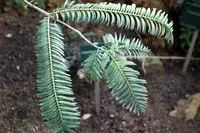
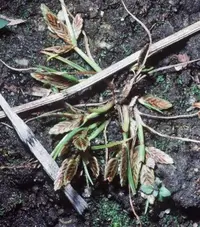
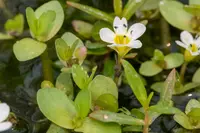
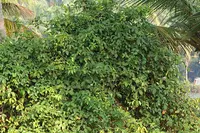
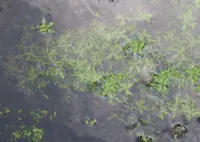
Autumnal water-starwort, Callitriche hermaphroditica, is an aquatic plant commonly found in cool, clean freshwater such as ponds, lakes, and slow streams. It often grows fully submerged, forming soft, green mats under the water surface.

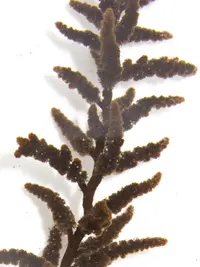
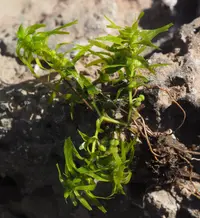
The plant has fine, narrow leaves arranged on slender stems, giving it a delicate, feathery appearance that offers shelter for aquatic invertebrates and small fish. It spreads mainly by stem fragments and seeds, which makes it persistent where conditions suit it.

This species prefers clear, unpolluted water and stable water levels, so it can be sensitive to strong disturbance or poor water quality. Anyone learning how to care for Autumnal Water-starwort should focus on providing steady conditions rather than frequent intervention.

Main Plant Requirements

Care Difficulty

Moderate Care

Light Preference

Partial Sun

Water Requirements

Aquatic

Temperature Preference

Cold Hardy

Hardiness Zone

3–8

Soil Texture

Silty, Organic-rich

Soil pH

Slightly acidic (6.5–7.0), Neutral (7.0)

Soil Drainage

Waterlogged tolerant

Fertilization

Minimal (feed rarely)

Get Personalized Care Plan

Scan your plant to receive care tips personalized for your specific plant

Available on iOS and Android

How to Care for the Autumnal Water-starwort

This aquatic species prefers bright conditions with some protection from intense midday sun.

  • Provide 4–8 hours of sun, ideally morning or late-afternoon light, with dappled or filtered sun at midday to prevent leaf scorch.
  • Tolerates partial shade, but in less than 3–4 hours of light the stems may elongate and foliage can become sparse and pale.
  • In shallow or clear water, reduce direct summer sun exposure; in deeper or murky water, more direct light improves growth of Autumnal Water-starwort.

This species is fully aquatic and depends on stable, clean, well-oxygenated water rather than traditional soil watering.

  • Grow in ponds, slow streams, or aquaria where the water level stays stable; do not allow the substrate to dry out at any time.
  • Use a mineral or sandy substrate that anchors roots while allowing gentle flow; avoid stagnant, foul-smelling water, which signals poor oxygen and potential rot.
  • In warm seasons, monitor for rapid evaporation and top up with dechlorinated water; pale, wilting, or collapsing shoots often indicate water quality problems, not lack of watering.

This cold-tolerant aquatic plant handles a wide range of temperatures but grows best in cool to mild conditions.

  • Optimal growth occurs around 50–70°F (10–21°C), where Callitriche hermaphroditica forms dense, healthy mats in ponds or slow-moving water.
  • It tolerates near-freezing water down to about 32°F (0°C) and can overwinter under ice, but sudden freeze-thaw cycles can damage exposed shallow shoots.
  • In summer, try to keep water below 77°F (25°C); use depth, partial shade, or water movement to limit overheating and associated oxygen stress.

This submerged aquatic species is not humidity-sensitive above the waterline because its foliage normally grows fully underwater.

In cultivation, Callitriche hermaphroditica grows best rooted in stable, fine-textured underwater substrates rather than standard potting soil.

  • Use fine sand or sandy loam mixed with 20–30% well-rinsed aquatic plant gravel to anchor roots without compacting.
  • Ensure the substrate layer is 3–6 cm deep so stems root securely while water above supplies oxygen and nutrients.
  • Keep the substrate permanently flooded; avoid exposed, drying surfaces that cause roots and stem bases to desiccate.
  • Avoid peat-heavy bagged mixes that float, cloud the water, and create anaerobic, foul-smelling zones in the container bottom.

This species adapts well to containers when grown as an aquatic plant in a water-filled vessel or pond tub.

  • Choose a wide, shallow tub or bowl to let stems spread horizontally while keeping all foliage submerged under consistent water depth.
  • Place the substrate in a smaller perforated inner basket so the plant can be moved or thinned without disturbing the whole container.
  • Position the container away from strong water currents or filters that can uproot the delicate stems and scatter substrate.

This aquatic species needs only light nutrition in most ponds or water gardens.

  • Use a very dilute balanced aquatic fertilizer (for example 1/4-strength 10-10-10) if growth is pale or weak in nutrient-poor water.
  • Apply during the main growing season only, about every 4–6 weeks, and skip feeding in winter dormancy.
  • Avoid heavy compost or rich substrates that can foul water; a thin layer of inert gravel with minimal fertilizer is usually enough.

Pruning Callitriche hermaphroditica focuses on keeping growth healthy and preventing it from crowding other aquatic plants.

  • Trim during the active growing season, preferably late spring to early autumn, when plants recover fastest.
  • Remove dead, yellowing, or damaged stems to limit decay and maintain good water quality.
  • Thin out dense, tangled patches to improve light penetration and manage spread and overall shape.
  • Use clean scissors or aquascaping shears, cutting just above healthy leaf nodes.

This aquatic plant is usually managed by transplanting patches rather than traditional repotting.

  • Transplant when clumps overgrow their allotted area, shade other species, or show thinning centers with weak growth.
  • Choose late spring or early summer, when water temperatures are stable and recovery is rapid.
  • Lift small sections gently, keeping roots and attached substrate intact to limit shock.
  • Replant into shallow, calm water, anchoring roots in fine gravel or sand and keeping foliage submerged.

Callitriche hermaphroditica is commonly propagated by vegetative division in aquariums and ponds.

  • Divide healthy mats or stem clusters in late spring or summer, when plants are actively growing.
  • Cut sections with several stem nodes and intact roots, using clean scissors or a sharp knife.
  • Plant divisions into shallow, slow-moving water with a fine sand or gravel base.
  • Maintain stable water levels, moderate light, and good oxygenation to encourage rapid rooting.

This aquatic species is cold hardy in most temperate climates and usually needs minimal winter care once established.

  • In outdoor ponds, allow plants to overwinter submerged; they often survive under ice in zones with stable water levels.
  • Avoid drastic pond drawdowns that could expose roots to freezing air.
  • For containers in very cold regions, move tubs to a frost-free but cool space or sink them deeper in the ground.

Care Tips

Substrate Containment

Use fine mesh baskets or plant the stems between flat stones or in shallow trays of sand to keep the rooting substrate from drifting in moving or filtered water systems.

Gentle Flow Management

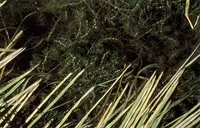
Position plants where there is a slow, laminar water flow rather than strong turbulence to reduce uprooting and mechanical damage to the fine stems and leaves.

Seasonal Biomass Thinning

Remove excess shoots and trim dense mats regularly during the growing season to maintain water circulation, light penetration, and stable dissolved oxygen levels.

Algae Competition Control

Limit nutrient spikes and maintain consistent photoperiods to reduce filamentous algae growth that can smother the fine foliage, manually lifting out any algae mats before they tangle with the plants.

Monitoring Water Quality

Test water regularly for nitrate, phosphate, and hardness, aiming for stable, moderate levels, and adjust stocking or feeding in aquaria if growth becomes either excessively lush or noticeably weak when growing Autumnal Water-starwort.

Common Pests and Diseases

Aquatic snails

These pests feed on soft leaf tissue and shoot tips, leaving ragged holes and sometimes stripping fine submerged leaves. Symptoms include thinning patches in the planting and visible snails or gelatinous egg clusters on stems, glass, or hard surfaces.

Solution

Manually remove snails and egg clutches, reduce excess fish food and detritus, and introduce snail traps or natural predators that are compatible with the system. In natural ponds, maintain a balanced fish population; in closed aquaria, use species-safe snail control methods and provide dense refuges so the plant can regrow faster than it is grazed.

Algae overgrowth

This problem competes with the plant for light and nutrients, coating fine leaves and stems with green, brown, or filamentous growth. Symptoms include slow growth, shaded stems, and an overall dull or smothered look to submerged foliage.

Solution

Reduce light intensity or photoperiod to a stable 8–10 hours, avoid nutrient spikes by limiting overfeeding and managing fertilizer, and increase water changes to keep nutrients in balance. Gently rub or shake stems while siphoning to remove algae, and use algae-eating fish or invertebrates only if appropriate for the pond or aquarium setup.

Filamentous fungi on stems

This disease appears as whitish, cottony or translucent fungal growth on decaying stem sections, often after mechanical damage or sudden water-quality changes. Symptoms include soft, disintegrating stems and localized patches of fuzzy growth clinging to plant material or debris.

Solution

Trim and remove all decaying or heavily colonized stem segments, then improve water quality with partial water changes and good filtration. Avoid sudden temperature or pH shifts, reduce organic debris, and replant only healthy, firm shoots to limit further fungal establishment when growing Autumnal Water-starwort.

Interesting Facts

Submerged threadlike leaves

This species forms fine, threadlike submerged leaves that create dense underwater mats, an adaptation that reduces drag in flowing streams and maximizes contact with moving water for gas and nutrient exchange.

Preference for cold water

It typically occurs in cool, well-oxygenated lakes and streams at higher latitudes or elevations, and is considered an indicator of relatively unpolluted, oligotrophic or mesotrophic waters in parts of its range.

Bisexual flower structure

True to its name, this species bears hermaphroditic flowers, meaning each tiny, often inconspicuous bloom contains both functional male and female organs, allowing self-fertilization when cross-pollination is limited.

Botan icon

Did you know?

In northern regions, this aquatic plant can overwinter under ice in a green, photosynthetically active state, allowing it to resume growth rapidly once surface light and water movement increase in spring.

FAQs about Autumnal Water-starwort

This species can spread quickly by stem fragments and seeds, forming dense mats in still or slow water. Regular thinning and physical removal keep it in check, especially in small ponds or closed aquaria.

Grow Healthy Plants with Botan Care

Keep your plants happy and healthy with plant identification, disease detection, and easy care guidance.

Botan plant care app — identify plants on mobile

Explore More Plants