Scheduled reseeding
Plan to overseed patches every 1–2 years, lightly scratching the soil surface first so new seeds make good contact and maintain a dense, even stand when growing corn brome.

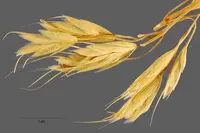
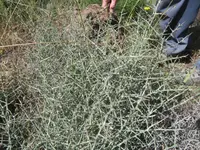
Corn brome, Bromus squarrosus, is a small annual grass typically found in disturbed ground, field margins, and dry open sites. It often appears in arable fields and roadsides across parts of Europe, Asia, and some introduced regions in North America.
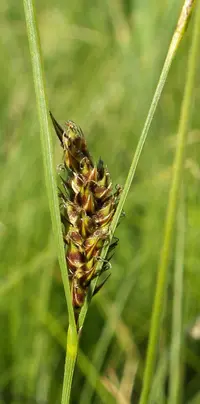
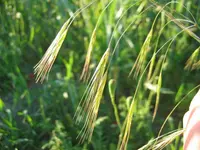
Plants form loose tufts with upright stems and narrow leaves, topped by nodding, bristly flower heads that give it a rough, spiky look. It completes its life cycle quickly and sets abundant seed, which allows it to spread easily and sometimes behave as a minor weed.
This species prefers full sun, relatively dry to moderately moist soil, and tolerates poor, well-drained substrates. These traits make it uncomplicated to establish but require some monitoring if you plan to care for corn brome in managed spaces.

Care Difficulty
Easy Care

Light Preference
Full Sun

Water Requirements
Moderate Water

Temperature Preference
Cold Hardy

Hardiness Zone
3–8

Soil Texture
Sandy, Loamy, Rocky

Soil pH
Slightly acidic (6.5–7.0), Neutral (7.0)

Soil Drainage
Well-drained

Fertilization
Minimal (feed rarely)
Scan your plant to receive care tips personalized for your specific plant
Available on iOS and Android
This annual grass prefers open, bright sites with consistent sun exposure for sturdy growth.
This species prefers dry to moderately moist conditions and is sensitive to prolonged soil saturation.
This cool-season annual grass grows best in mild to moderately warm conditions with cool nights.
This annual grass tolerates a wide humidity range but performs best in moderately dry air.
This species prefers mineral, well-drained soil that does not stay wet for long.
This grass can be grown in containers for temporary displays or habitat plantings.
This annual grass usually needs little feeding, especially in natural or low-input plantings.
Pruning Bromus squarrosus is mainly light grooming to keep stands tidy and prevent unwanted self-seeding.
This species is usually grown in the ground; transplanting small clumps or seedlings is more common than repotting.
Bromus squarrosus is most often propagated by seed, which establishes reliably in suitable conditions.
This temperate annual or short-lived grass is generally cold hardy in typical outdoor conditions and needs minimal winter care.

Plant Health Check
Not sure what's wrong with your plant? Check your plant's health inside the app.
This annual grass is characterized by strongly spreading, often reflexed spikelets, which give the flowering head a bristly, star-like appearance and help distinguish it from closely related Bromus species in the field.
It is frequently found in disturbed habitats such as field margins, roadsides, and waste ground, where tillage or trampling reduces competition from taller perennial plants and allows it to complete its short life cycle.
Native to parts of Eurasia, this species has been introduced to North America, where it behaves as a minor weed in some agricultural and ruderal sites but is generally less aggressive than several other invasive brome grasses.
This grass establishes quickly from seed and matures within a single growing season. Under suitable conditions it shows vigorous early growth, which makes it useful for short-term cover but also means it can spread and self-seed readily.
Keep your plants happy and healthy with plant identification, disease detection, and easy care guidance.