small butterwort Care (Pinguicula pumila)

Also known as: Valentine's flower
small butterwort

About small butterwort

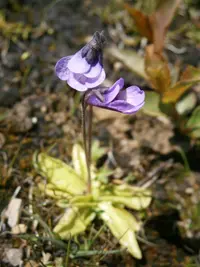
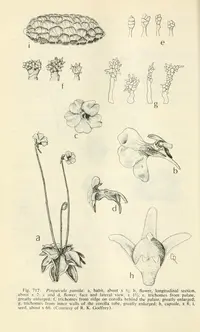
Small butterwort (Pinguicula pumila) is a tiny carnivorous plant that traps insects on its sticky, butter-like leaves. It uses the nutrients from captured insects to supplement poor, nutrient-starved soils. This species forms low rosettes and can show delicate flower colors ranging from white to pale purple, giving it a subtle ornamental value.

Pinguicula pumila occurs naturally in the southeastern United States, often in wet, sandy, or boggy habitats with high light and constant moisture. It is moderately challenging to grow, mainly because it needs consistently damp, low-nutrient conditions and careful watering. Understanding how to care for small butterwort starts with replicating its bright, humid, and lean natural environment.

Main Plant Requirements

Care Difficulty

Hard Care

Light Preference

Partial Sun

Water Requirements

Keep Soil Moist

Temperature Preference

Tropical / Frost Sensitive

Hardiness Zone

8–11

Soil Texture

Sandy, Peaty, Organic-rich

Soil pH

Strongly acidic (4.5–5.5), Acidic (5.5–6.5)

Soil Drainage

Waterlogged tolerant

Fertilization

Minimal (feed rarely)

Get Personalized Care Plan

Scan your plant to receive care tips personalized for your specific plant

Available on iOS and Android

How to Care for the small butterwort

This carnivorous species prefers bright, indirect light that mimics open but not exposed bog or pine savanna habitats.

  • Provide 3–6 hours of gentle morning sun with bright, filtered light the rest of the day; avoid harsh midday and late afternoon sun, especially in summer.
  • Allow light dappled shade under taller plants; leaves turning pale, yellow, or crispy at the edges indicate excessive sun exposure.
  • If rosettes elongate and turn dull green, light is too low; gradually increase exposure over 7–10 days, and in winter prioritize the brightest frost-free position available.

Watering for this carnivorous plant should aim for consistently moist but not stagnant, anaerobic conditions.

  • Use mineral-poor water (rain, distilled, or reverse osmosis) and keep the soil evenly moist, not flooded; avoid letting it dry out beyond the top 0.5–1 cm.
  • In warm growing seasons, a shallow tray with 0.5–1 cm of water can be used, allowing it to empty before refilling to prevent root rot.
  • In cooler months, reduce standing water and just keep the substrate damp; limp, curling leaves suggest underwatering, while blackened leaf bases and sour odor suggest overwatering of Pinguicula pumila.

This species favors warm, frost-free conditions similar to mild subtropical climates.

  • Aim for 70–85°F (21–29°C) for strong growth; short periods up to 90°F (32°C) are tolerated if the soil stays moist and humidity is moderate.
  • Protect from cold; growth slows below 60°F (16°C) and damage often occurs below 45°F (7°C), especially in wet, windy conditions.
  • Avoid frost entirely, as tissues are not cold hardy; during unusual heat or cold snaps, provide shading or shelter and avoid sudden 15–20°F (8–11°C) temperature swings.

This species prefers moderately high, stable humidity to keep its carnivorous leaves functioning well.

  • Aim for 50–70% humidity; consistent levels support active dew production on the leaf surface.
  • It tolerates brief dips to 40%, but prolonged dry air causes leaf edges to crisp and traps to stop working.
  • Increase humidity with a nearby open tray of water, grouped plants, or a small humidifier rather than misting small butterwort leaves.

This carnivorous species needs very low-nutrient, airy, and consistently moist substrate.

  • Use a mix such as 2 parts fine silica sand to 1 part milled sphagnum or peat, creating a loose, open texture.
  • Ensure fast drainage but constant moisture; the mix should never become compacted or waterlogged at the bottom.
  • Keep pH slightly acidic, around 5.0–6.0, which supports nutrient-poor conditions and protects sensitive roots from mineral buildup.
  • Avoid compost, regular potting mix, fertilizers, and hard tap water, which introduce minerals that burn Pinguicula pumila roots and leaves.

This species adapts very well to container culture when moisture and aeration are carefully controlled.

  • Choose a wide, shallow pot to match its fine, shallow roots and reduce the risk of saturated lower layers.
  • Select plastic or glazed ceramic to slow evaporation so the lean mix stays evenly moist without frequent watering swings.
  • Use a pot with multiple small drainage holes so water exits quickly while the thin substrate remains evenly damp rather than pooling.

Pinguicula pumila is adapted to very nutrient-poor habitats and usually needs no conventional fertilization under home conditions.

Pinguicula pumila needs only light grooming to stay healthy and attractive.

  • Trim dead or blackened leaves at the base whenever they appear, using fine scissors or tweezers cleaned with alcohol.
  • Remove spent flower stalks after blooming to reduce energy loss and encourage foliage strength.
  • Avoid cutting healthy leaves, since this reduces insect capture and weakens the small rosette.

This small butterwort is usually kept in small pots and only repotted when the substrate degrades or growth declines.

  • Check every 1–2 years; repot if growth slows, peat-sand mix compacts, or roots fill the pot.
  • Repot in late winter or early spring, before strong active growth starts.
  • Use a very airy, nutrient-poor mix such as 1:1 peat and sand or perlite, kept evenly moist.
  • Handle the delicate roots gently, keep the crown at the same depth, and shade for a few days to limit stress.

Pinguicula pumila is most often propagated from seed under controlled conditions.

  • Collect ripe seed capsules and sow fresh on the surface of a moist, sterile peat-sand mix.
  • Start seeds in late winter to spring under bright, indirect light at about 70–80°F.
  • Do not cover seeds; keep humidity high with a vented dome and maintain consistent moisture.
  • Label seed pots clearly and thin seedlings carefully once several true leaves appear.

This species is not frost tolerant and needs mild winter conditions, especially in containers.

  • Maintain indoor temperatures above 50°F in winter, with good light and high humidity.
  • Move outdoor pots indoors or into a frost-free greenhouse before nights drop near freezing.
  • Keep the peat-based substrate just moist, never waterlogged, as cooler conditions slow growth.

Care Tips

Seasonal Dormancy Reset

Allow plants to experience a slightly drier, cooler winter rest for 6–10 weeks to mimic natural dormancy, then gradually increase moisture and warmth in spring to trigger compact, healthy new growth.

Controlled Propagation Trays

Sow seed or place small rosettes in shallow, covered trays with bright light and a thin layer of milled sphagnum to keep humidity high and air movement gentle, which improves establishment and reduces transplant shock.

Insect Prey Management

Place the pots in a location where small flying insects naturally occur, such as near fungus gnat‑prone houseplants, so the leaves receive a steady but not overwhelming prey supply for better vigor.

Low-Mineral Water Strategy

Rotate between reverse-osmosis, rain, or distilled water and occasionally flush pots from the top to wash away built-up minerals that can burn roots and leaf edges in this very mineral-sensitive species.

Portable Microhabitat Setup

Keep plants in small, ventilated containers or trays that can be easily moved, so you can quickly adjust exposure during heat waves, cold snaps, or storms, which is especially helpful when caring for small butterwort in variable indoor or patio conditions.

Common Pests and Diseases

Fungus gnats

These insects are attracted to constantly wet carnivorous soil mixes rich in organic debris, where their larvae feed in the upper substrate and around fine roots. Symptoms include tiny black flies hovering near pots and slow, weakened growth in young rosettes.

Solution

Allow the top few millimeters of the medium to dry slightly between waterings while still keeping the lower layer moist, then use yellow sticky traps to catch adults and a biological control such as Bacillus thuringiensis israelensis (BTI) in the water to target larvae. Remove decaying leaves from the soil surface to reduce breeding sites and avoid adding extra organic material to the mix when planning Pinguicula pumila plant care.

Botrytis gray mold

This disease develops in humid, stagnant air and can colonize dead insects and older leaves, then spread to healthy tissue. Symptoms include soft, water-soaked spots that quickly develop gray, fuzzy mold on leaves or crown.

Solution

Increase air movement around the plant, reduce overhead watering, and promptly remove any mushy or moldy leaves and insect remains with clean tools. In severe or persistent cases, move the plant to a brighter, better-ventilated spot and apply a low-risk fungicide labeled for ornamental use, taking care to keep sprays off the leaf surfaces as much as possible to avoid damaging the glands.

Powdery mildew

This disease appears in warm, humid conditions with poor airflow, especially in crowded trays or terraria. Symptoms include a white, powdery coating on leaves that can dull the surface and interfere with photosynthesis and insect capture.

Solution

Improve air circulation, reduce crowding, and avoid large swings between day and night humidity. Remove the most affected leaves and, if needed, use a gentle fungicide safe for tender ornamentals, applied carefully and sparingly so the leaf surface is not heavily coated.

Aphids

These insects sometimes colonize tender new growth and flowering stalks, especially on plants grown outdoors or near open windows. Symptoms include distorted leaves, sticky honeydew, and reduced vigor, with small green or black soft-bodied insects visible on stems and undersides of leaves.

Solution

Rinse the plant gently with a fine stream of water to dislodge aphids, keeping the crown from staying waterlogged for long periods. For persistent infestations, use a dilute insecticidal soap on flower stalks and non-carnivorous surfaces, or remove heavily infested flower stalks entirely to protect the rosette.

Spider mites

These pests can appear indoors under warm, dry air where humidity is lower than the plant prefers. Symptoms include tiny pale speckling on leaves, fine webbing, and a dull, stressed appearance of the rosette.

Solution

Raise humidity to 50–70%, increase gentle air movement, and rinse the plant under lukewarm water to wash off mites, avoiding strong jets that damage leaf glands. If needed, apply a miticide or insecticidal soap labeled for mites to non-carnivorous areas and repeat at intervals to catch newly hatched individuals.

Interesting Facts

Southeastern coastal specialist

This species is native to the coastal plain of the southeastern United States, where it grows in open, wet, nutrient-poor habitats such as pine savannas and seepage slopes that stay moist but not deeply flooded.

Tiny seasonal rosettes

It forms very small, low rosettes that can change leaf shape and size with the season, often producing broader, more noticeably carnivorous leaves in warmer, wetter periods and smaller, less carnivorous leaves in cooler or drier conditions.

Variable flower colors

Its flowers are unusually variable for a single butterwort species, ranging from white to pale lavender, sometimes with subtle markings, which has led to past confusion in field identification and taxonomy.

Botan icon

Did you know?

Unlike many carnivorous plants that rely mainly on sticky mucilage, this species also secretes digestive enzymes directly from its leaf surfaces, allowing it to both trap and chemically break down tiny insects on the same microscopic gland structures.

FAQs about small butterwort

Lack of flowering often comes from insufficient seasonal change, weak light, or nutrient buildup from hard water or fertilizer. Provide bright, cool, drier winter conditions and flush the substrate occasionally to mimic its natural winter rest period.

Grow Healthy Plants with Botan Care

Keep your plants happy and healthy with plant identification, disease detection, and easy care guidance.


Botan plant care app — identify plants on mobile

Explore More Plants