American alumroot Care (Heuchera americana)

American alumroot

About American alumroot

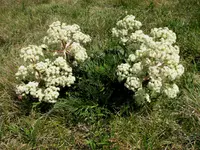
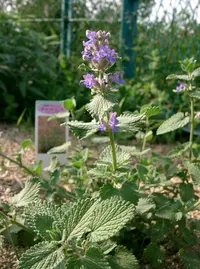
American alumroot (Heuchera americana) is a compact, clump-forming perennial grown mainly for its decorative foliage. It belongs to the saxifrage family and stays low to the ground. Leaves form dense mounds in shades of green, often with marbling or subtle veining, and slender stems may carry small, airy flower spikes in season. In nature, it occurs in rocky woods and outcrops in eastern North America, often in partial shade. Its tolerance of shade, cold, and varied soils makes it relatively easy to grow in many gardens. Understanding how to care for American alumroot starts with providing well-drained soil and consistent, moderate moisture.

Main Plant Requirements

Care Difficulty

Easy Care

Light Preference

Partial Shade

Water Requirements

Moderate Water

Temperature Preference

Cold Hardy

Hardiness Zone

4–9

Soil Texture

Loamy, Sandy, Organic-rich

Soil pH

Acidic (5.5–6.5), Slightly acidic (6.5–7.0)

Soil Drainage

Moist but well-drained

Fertilization

Minimal (feed rarely)

Get Personalized Care Plan

Scan your plant to receive care tips personalized for your specific plant

Available on iOS and Android

How to Care for the American alumroot

This woodland perennial prefers bright, indirect light that mimics dappled forest conditions.

  • Provide 3–5 hours of morning sun with light or open shade in the afternoon, especially in hotter regions.
  • Tolerates partial to full shade, but foliage of American alumroot may become less colorful and more sparse in very deep shade.
  • In zone 6–8, protect from harsh midday and late-afternoon sun to prevent leaf scorch, especially in summer and in areas with reflected heat.

This species prefers consistently moist but not saturated soil, especially during active growth.

  • Water when the top 2–4 cm of soil feels dry, aiming for even moisture around the shallow root zone rather than deep soaking.
  • Use well-drained soil or raised beds to prevent waterlogging, which can cause crown rot and black, mushy roots in Heuchera americana.
  • In spring and fall, monitor rainfall before watering; in summer heat, watch for wilting or crisp leaf edges as signs that the soil is drying too fast.

This hardy perennial tolerates a wide range of outdoor temperatures when planted in the ground.

  • Optimal growing temperatures are 60–75°F (16–24°C), with best foliage color and growth in mild spring and fall conditions.
  • Established plants generally survive winter lows near -20°F (-29°C) with mulch, but young crowns benefit from extra protection in exposed sites.
  • In summer, plants handle short periods around 85–90°F (29–32°C) if soil stays evenly moist and roots are shaded from reflected heat.

This species is comfortable in typical outdoor humidity and usually does not need special humidity management.

Heuchera americana grows best in loose, humus-rich mineral soil that stays evenly moist but never waterlogged.

  • Use a loamy mix with 40–60% composted organic matter blended with garden soil or a peat-free base to mimic woodland conditions.
  • Ensure fast drainage by incorporating mineral grit such as perlite, pumice, or coarse sand at 10–20% of the mix volume.
  • Aim for slightly acidic to neutral pH around 6.0–7.0, avoiding strongly alkaline or saline substrates that can limit nutrient uptake.
  • Avoid heavy clay that compacts and stays saturated; improve existing sites by raising the bed and working organic matter through the top 15–20 cm.

This species adapts well to container culture outdoors when the potting setup manages moisture and root temperature effectively.

  • Choose a wide, moderately deep pot so the shallow, fibrous roots can spread laterally without becoming densely crowded at the edges.
  • Select a thick-walled, non-metal container if possible, as it buffers rapid temperature swings and slows moisture loss in sun or wind-exposed sites.
  • Elevate the pot slightly on feet or bricks to keep drainage holes clear and prevent water pooling under the container after rain or irrigation.

Heuchera americana benefits from light, steady feeding rather than heavy fertilization.

  • Apply a balanced, slow-release fertilizer (around 10-10-10) at half strength once in early spring as new growth starts.
  • Supplement with a thin layer of compost around the root zone in spring to improve soil structure and gentle nutrition.
  • During the growing season, use a diluted balanced liquid feed every 4–6 weeks if growth appears weak or foliage pale.
  • Stop feeding American alumroot in late summer and avoid fertilizing in fall and winter to prevent soft, frost-tender growth.

Heuchera americana needs light, periodic pruning to maintain a compact, tidy clump and sustained flowering.

  • In early spring, remove all dead, damaged, or winter-burned leaves at the base using clean hand pruners or scissors.
  • Cut back spent flower stalks down to the foliage after blooming to encourage a neater shape and possible repeat flowering.
  • Through the growing season, trim away yellowing or tattered leaves to reduce disease risk and highlight fresh foliage.
  • Every few years, lightly thin crowded crowns by removing the oldest, woody sections to keep the plant dense and vigorous.

Transplanting or lifting older clumps of Heuchera americana every few years keeps plants vigorous and well-rooted.

  • Plan transplanting for early spring or early fall when temperatures are mild and soil moisture is steady.
  • Look for signs such as woody centers, sparse foliage, or slow growth, which indicate the clump is aging and needs lifting.
  • Dig widely and deeply to keep roots intact, then replant at the same soil level in well-drained, humus-rich soil.
  • Water thoroughly after transplanting, provide shade for 3–5 days, and maintain even moisture to limit root stress and wilting.

Heuchera americana is most commonly propagated by division, with seed used mainly for breeding or larger projects.

  • Divide mature clumps in early spring or early fall when weather is cool and soil is moist.
  • Lift the plant, gently tease apart crowns, and keep several healthy buds and roots attached to each division.
  • Replant divisions at original soil depth in loose, well-drained soil, then water well and shade lightly until re-established.
  • For seeds, sow on the surface of a moist, sterile mix, keep at 60–70°F with bright indirect light, and do not cover the tiny seed.

This species is cold hardy in much of the US but benefits from basic winter care, especially in exposed sites or containers.

  • In late fall, apply a 5–7 cm layer of loose mulch around the root zone, keeping mulch slightly away from crowns.
  • Leave most healthy foliage in place to shield crowns, removing only mushy or diseased leaves before snow or hard freezes.
  • For containers, move pots to a sheltered, unheated but frost-moderated area or sink the pot into the ground for insulation.

Care Tips

Shade acclimation

When moving plants from nursery pots into brighter garden sites, harden them off over 7–10 days by first placing them in open shade and then gradually increasing light exposure to reduce leaf scorch and transplant stress.

Crown protection

Set plants so the crown sits just at or slightly above soil level, and top-dress yearly with a thin layer of fine compost rather than piling mulch directly against the crown to prevent rot.

Winter heaving control

In colder regions, apply a 2–5 cm mulch layer after the ground has frozen and gently firm lifted clumps back into the soil in early spring if frost heave has exposed roots.

Regular clump renewal

Every 3–4 years, lift and divide older clumps in early spring, discarding woody center portions and replanting only the vigorous outer sections to maintain dense foliage and flower performance.

Flower stalk management

Deadhead spent flower stalks down to the foliage as they fade to extend bloom and reduce self-seeding, but allow a few stalks to mature if seed collection is part of caring for American alumroot.

Common Pests and Diseases

Vine weevils

This pest feeds on Heuchera leaves as adults, while the larvae live in the soil and chew through the roots and crown, often causing sudden collapse of plants. Symptoms include notched leaf edges and plants wilting or lifting easily from the soil.

Solution

Hand-pick adults at night, use corrugated cardboard or upturned pots as traps, and remove heavily damaged plants. For larvae, apply beneficial nematodes to moist soil in late summer or early fall and avoid keeping the soil overly wet, which favors larval survival when growing American alumroot outdoors in containers or beds.

Heuchera rust

This disease causes orange, yellow, or brown pustules and spots on the undersides and sometimes the tops of leaves, leading to leaf yellowing and decline. Symptoms include patchy discoloration and premature leaf drop in crowded or humid conditions.

Solution

Remove and discard affected leaves promptly and avoid overhead watering to keep foliage dry. Improve spacing and airflow, clean up fallen debris, and, in severe or recurring cases, use a labeled fungicide as a preventative treatment during warm, humid weather.

Leaf spots

This disease group, often caused by fungal pathogens, produces tan to brown spots that may have purple margins and can merge into larger blotches. Symptoms include thinning foliage and an overall shabby appearance, especially in wet or poorly ventilated sites.

Solution

Cut off and dispose of affected leaves, then adjust watering so foliage dries quickly, preferably watering at soil level. Improve air circulation, reduce overcrowding, remove plant debris around the crowns, and use a broad-spectrum fungicide only if cultural changes do not stop new lesions.

Powdery mildew

This disease appears as white or gray powdery coating on leaves, stems, or flower stalks, which can distort growth and reduce vigor. Symptoms include dull, mottled foliage and reduced flowering under shaded, still, and humid conditions.

Solution

Increase airflow by thinning nearby plants, water at the base in the morning, and avoid excess nitrogen fertilizer that promotes soft, susceptible growth. Remove heavily infected leaves and, if needed, apply a labeled sulfur or potassium bicarbonate product at the first sign of powdery patches.

Aphids

These insects cluster on young leaves and flower stalks, sucking sap and causing curling, distortion, and sticky honeydew that may attract sooty mold. Symptoms include stunted new growth and misshapen flower stems, especially in sheltered or container-grown plants.

Solution

Wash colonies off with a firm stream of water and pinch off heavily infested soft tips. Encourage natural predators like lady beetles, use insecticidal soap or horticultural oil on all leaf surfaces, and repeat treatments as needed while monitoring for reinfestation.

Interesting Facts

Eastern woodland specialist

This species is native to rocky woodlands and bluffs of eastern North America, where it often anchors itself in thin, calcareous or slightly alkaline soils on cliffs and shaded rock outcrops.

Leaf shape variability

The foliage shows high natural variation, from rounded to lobed leaves with different degrees of marbling, which has made it a key parent in many modern Heuchera hybrids.

Early-season nectar source

Its small greenish flowers on airy stalks open in late spring to early summer and provide nectar and pollen for early-season bees and small pollinating flies in deciduous forests.

Botan icon

Did you know?

Heuchera americana was one of the foundational species used by plant breeders in the 20th century to develop the wide color range of ornamental coral bells cultivars now common in horticulture, because its genetics combine well with several western Heuchera species.

FAQs about American alumroot

This species forms clumps and slowly expands outward by short rhizomes. It does not run aggressively or overtake beds. Plants may self-seed lightly, but unwanted seedlings are easy to pull or transplant.

Grow Healthy Plants with Botan Care

Keep your plants happy and healthy with plant identification, disease detection, and easy care guidance.


Botan plant care app — identify plants on mobile

Explore More Plants