Dry rest period
Provide a pronounced dry rest in late summer to fall by withholding water for 4–6 weeks, which helps trigger denser rosette growth and more reliable winter flowering when growing Cape speckled aloe.

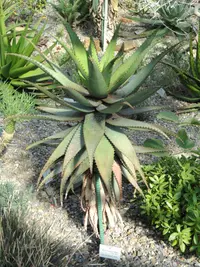
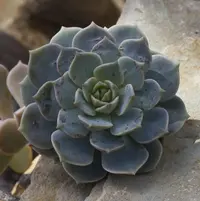
Cape speckled aloe (Aloe microstigma) is a small, clumping succulent from arid regions of South Africa and Namibia. It forms rosettes of pointed, blue-green leaves dotted with pale speckles and edged with small teeth. In time, it can produce tall flower spikes with tubular orange to red blooms that attract pollinators. The plant stays relatively compact and is suitable for containers or rock gardens in warm climates. This species is adapted to heat, strong light, and dry conditions, which makes it relatively forgiving for patient growers. Well-drained, gritty soil and careful watering are the main points to understand when learning how to care for Cape speckled aloe.

Care Difficulty
Easy Care

Light Preference
Full Sun

Water Requirements
Low Water

Temperature Preference
Warm Climate

Hardiness Zone
9–11

Soil Texture
Sandy, Loamy, Rocky

Soil pH
Acidic (5.5–6.5), Slightly acidic (6.5–7.0)

Soil Drainage
Well-drained

Fertilization
Minimal (feed rarely)
Scan your plant to receive care tips personalized for your specific plant
Available on iOS and Android
This succulent prefers bright, direct sun but tolerates light shade in very hot regions.
This drought-tolerant aloe needs infrequent but thorough watering in fast-draining soil.
This species prefers warm, dry conditions and is sensitive to prolonged frost.
This Aloe microstigma tolerates a wide humidity range and is usually unaffected in typical indoor air.
This species needs a very fast-draining, mineral-rich, gritty substrate to prevent root rot.
This species is very suitable for container growing due to its compact, drought-tolerant root system.
Aloe microstigma needs only light feeding to maintain healthy, compact growth in containers.
Aloe microstigma benefits from light maintenance pruning to keep rosettes tidy and healthy.
Container-grown Aloe microstigma only needs infrequent repotting to refresh soil and manage offsets.
Aloe microstigma is most commonly propagated from offsets, with seed used mainly by collectors or specialists.
Aloe microstigma prefers cool, dry winters and is only lightly frost tolerant.

Plant Health Check
Not sure what's wrong with your plant? Check your plant's health inside the app.
In its native South African habitats, this species flowers mainly in the cool, dry winter months, producing tall spikes of red to orange tubular flowers that provide an important nectar source for sunbirds when other resources are scarce.
Young rosettes show distinctive white spots and banding on the leaves, which tend to fade and become less pronounced as the plant matures in strong light.
Aloe microstigma often grows on stony slopes and rocky outcrops in the Western and Northern Cape, where its compact rosettes and thick leaves help it withstand intense sun, drying winds, and highly drained, shallow soils.

This species frequently forms small, dense groups of rosettes in the wild, and in some populations plants develop multicolored flower spikes where individual flowers on the same inflorescence can range from reddish to yellowish as they age, creating a striking bicolored effect in the landscape.
Lack of blooms usually results from insufficient light, a pot that is too small, or a plant that is still immature. Cool, bright, dry winter conditions and a slight root bind often encourage stronger flower spikes.
Keep your plants happy and healthy with plant identification, disease detection, and easy care guidance.