Caudex height control
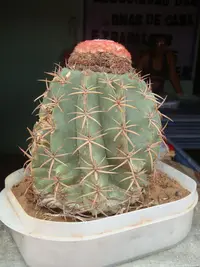
If the caudex starts to stretch upward instead of thickening, reduce pot size slightly and avoid deep containers so the plant invests more energy into a wider, display-worthy caudex.

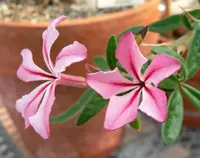
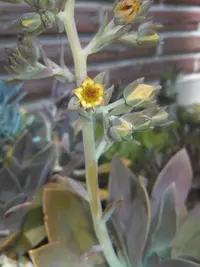
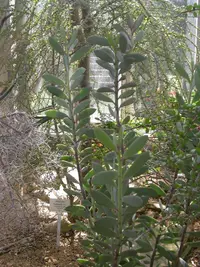
Pachypodium succulentum is a small caudiciform succulent shrub known for its swollen, water-storing base and spiny, upright branches. It produces narrow, green leaves near the branch tips and showy white to pale pink flowers. Native to arid regions of South Africa, it has evolved to survive long dry periods and brief rainy seasons. This growth habit makes it relatively slow-growing but long-lived in cultivation. Pachypodium succulentum prefers bright light, fast-draining gritty soil, and careful watering that avoids prolonged wetness. Its drought tolerance and strong visual character appeal to collectors, but beginners can also learn how to care for Pachypodium succulentum with patience and attention to watering.

Care Difficulty
Moderate Care

Light Preference
Full Sun

Water Requirements
Low Water

Temperature Preference
Tropical / Frost Sensitive

Hardiness Zone
10–11

Soil Texture
Sandy, Rocky, Loamy

Soil pH
Slightly acidic (6.5–7.0), Neutral (7.0)

Soil Drainage
Well-drained

Fertilization
Minimal (feed rarely)
Scan your plant to receive care tips personalized for your specific plant
Available on iOS and Android
This drought-tolerant caudiciform thrives in bright, intense light that mimics its native South African habitat.
Watering must respect this species’ succulent caudex, which stores moisture and is easily damaged by excess water.
This species prefers warm, dry conditions with a distinct cool, drier rest period.
This species prefers dry indoor air and rarely needs special humidity management.
Use a very fast-draining, mineral-rich mix that mimics arid, rocky habitats.
This species is well suited to container growing due to its compact, tuberous root system.
This slow-growing caudiciform needs modest feeding to support healthy stems and roots in active growth.
This species needs minimal pruning, mainly to remove damaged growth and maintain a compact form.
This plant prefers to be slightly cramped in its pot and resents frequent disturbance of its roots.
Propagation is typically done from seed, as cuttings root poorly and often lose the characteristic caudex shape.
This succulent is not frost hardy and needs careful winter management, especially in containers.

Plant Health Check
Not sure what's wrong with your plant? Check your plant's health inside the app.
In its native South African habitats, this species stores water and nutrients in a swollen underground to partly above-ground caudex, allowing it to resprout after seasonal drought, grazing, or fire damage to the stems.
Unlike many succulents that keep foliage year-round, this plant often sheds its narrow leaves and rests during the dry or cool season, then rapidly produces new leafy shoots when warmth and moisture return.
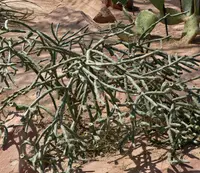
The shrub forms rigid, zigzagging branches armed with paired spines that help protect it from browsing animals in open, rocky habitats.

This species often grows on exposed, stony slopes and rocky outcrops in the Eastern Cape and Karoo regions, where its low profile and rock-like caudex help it blend into the terrain and avoid detection by herbivores, an adaptation that also makes it well suited to bonsai-style Pachypodium succulentum plant care in cultivation.
Lack of flowers is usually linked to plant immaturity, insufficient winter rest, or low light. Cooler, drier winter conditions and strong light in the growing season help trigger buds. Avoid repotting or heavy feeding just before flowering time.
Keep your plants happy and healthy with plant identification, disease detection, and easy care guidance.