× Graptoveria Care

× Graptoveria

About × Graptoveria

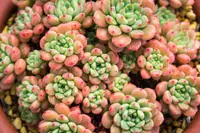
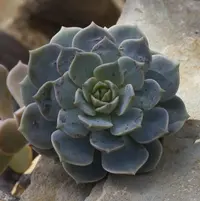
× Graptoveria is a group of hybrid succulents, usually between Graptopetalum and Echeveria. It forms compact rosettes with fleshy leaves in soft pastel or dusty tones. Plants stay low and often cluster, creating small mounds that work well in pots, bowls, or rock gardens. Many cultivars change color with strong light or cooler temperatures. These hybrids do not occur in the wild; they are created in cultivation for ornamental use and variety. Their drought tolerance and slow growth make them suitable for beginners who want to care for × Graptoveria with minimal effort, as long as they receive strong light, sharp drainage, and infrequent watering.

Main Plant Requirements

Care Difficulty

Easy Care

Light Preference

Partial Sun

Water Requirements

Low Water

Temperature Preference

Warm Climate

Hardiness Zone

9–11

Soil Texture

Sandy, Loamy, Rocky

Soil pH

Slightly acidic (6.5–7.0), Neutral (7.0)

Soil Drainage

Well-drained

Fertilization

Minimal (feed rarely)

Get Personalized Care Plan

Scan your plant to receive care tips personalized for your specific plant

Available on iOS and Android

How to Care for the × Graptoveria

This succulent prefers bright, direct sun with some protection during the hottest hours.

  • Provide 4–6 hours of direct morning sun plus bright light the rest of the day; in very hot climates, give light afternoon shade to prevent leaf scorch.
  • Acclimate × Graptoveria gradually when moving from shade to full sun to avoid sunburn, shown by brown, dry patches on upper leaves.
  • If stems stretch or rosettes open loosely, the plant is not getting enough light; move it to a brighter spot, especially in winter.

Water deeply but infrequently, allowing the soil to dry well between waterings.

  • Wait until the top 3–5 cm of soil feels completely dry before watering; in warm active growth this may be every 7–14 days, less often in cool seasons.
  • Use fast-draining gritty soil and containers or beds with excellent drainage so water does not pool around the roots, which promotes rot.
  • Signs of overwatering include mushy, translucent leaves and a sulfur smell; wrinkled, bending leaves and slow recovery after watering indicate underwatering in × Graptoveria.

Temperature control is important to keep this hybrid succulent compact and healthy.

  • Aim for 65–80°F (18–27°C) during active growth, with good air movement to prevent overheating in strong sun.
  • Protect from frost; sustained temperatures below 32°F (0°C) damage tissues, and growth slows sharply under 50°F (10°C).
  • In heat waves above 90°F (32°C), provide afternoon shade and avoid overhead watering on very hot afternoons, which can stress foliage and encourage rot.

Humidity is rarely a concern for × Graptoveria, which prefers dry air similar to indoor room conditions.

  • Aim for 30–50% humidity, avoiding consistently above 60%.
  • Tolerates typical heated or air-conditioned homes without extra humidity trays or misting.
  • Watch for edema-like blistering or rot at leaf bases as a sign of excess humidity combined with poor airflow.

Soil for × Graptoveria must be mineral-rich, gritty, and fast-draining to prevent root and stem rot.

  • Use a cactus/succulent base mix amended with extra coarse materials such as perlite, pumice, or 3–5 mm gravel for sharp drainage.
  • Aim for a soil structure that is 60–80% inorganic grit and 20–40% organic matter to balance moisture retention with aeration.
  • Keep pH slightly acidic to neutral, around 6.0–7.0, avoiding strongly acidic or alkaline substrates that limit nutrient uptake.
  • Avoid heavy, peat-dominant, or clayey mixes that stay wet for more than 2–3 days after watering; lighten them with sand and pumice to increase pore space.

This hybrid succulent is very suitable for container growing.

  • Choose a shallow, wide pot to match the shallow root system and keep rosettes from crowding too quickly.
  • Select unglazed terracotta if extra evaporation is needed in humid or cool climates to reduce moisture retention around roots.
  • Place heavy top-dressing stones around the root zone to stabilize low, offsetting rosettes and reduce soil displacement during watering.

This succulent needs only light feeding to support compact rosettes and healthy leaf color.

  • Use a balanced liquid fertilizer (for example 10-10-10 or 20-20-20) diluted to 25–50% strength for × Graptoveria.
  • Feed once every 4–6 weeks during spring–summer active growth if the plant is in fresh, gritty mix.
  • Skip compost-heavy products; they retain too much moisture for succulent roots.
  • Stop feeding in fall–winter, when growth slows, to avoid weak, stretched tissue.

Pruning needs are low and mainly focused on keeping rosettes clean and compact.

  • In late winter or early spring, remove dead, shriveled, or blackened leaves from the base of rosettes.
  • Snip off damaged or etiolated stems with clean, sharp scissors to improve shape and light exposure.
  • Thin crowded offsets if rosettes are shading each other, replanting healthy pups if desired.
  • Discard diseased tissue on × Graptoveria and sterilize tools with alcohol to limit pathogen spread.

Repotting is infrequent, aimed at refreshing the gritty mix and giving offsets space.

  • Repot every 2–3 years when roots circle the pot, mix dries extremely fast, or growth slows without another cause.
  • Choose late spring as the best time, when × Graptoveria resumes active growth and recovers faster.
  • Use a shallow container with drainage and a cactus‑succulent mix, adding extra mineral grit for airflow.
  • Gently loosen the root ball, remove old soil, trim rotten roots, then keep slightly dry for 5–7 days to reduce stress.

Propagation is common and straightforward using offsets and stem cuttings.

  • Separate well-formed offsets in spring–early summer, letting any broken surfaces callus for 1–3 days before planting.
  • Take short stem cuttings from healthy rosettes, then place in dry, gritty mix under bright, indirect light.
  • Keep soil barely moist until roots form; excess water greatly increases rot risk for × Graptoveria.
  • Leaf propagation is possible but slower; choose firm leaves, allow to callus, then place on top of the substrate.

Winter care focuses on avoiding freezing damage and excessive moisture around the roots.

  • Treat × Graptoveria as frost-sensitive; aim to keep above 35–40°F, especially in wet climates.
  • Move containers indoors or into a bright, cool greenhouse before nights drop near freezing.
  • Provide maximum light and very sparse watering, letting the mix dry completely between drinks.
  • In mild climates, use a raised, sharply drained bed and a light gravel mulch to keep the crown dry.

Care Tips

Rotate for symmetry

Turn the pot 90° every 1–2 weeks so rosettes develop evenly and do not lean or stretch toward a single light source.

Use top-dressing grit

Apply a 0.5–1 in layer of horticultural grit or small gravel on the soil surface to keep lower leaves dry, reduce fungus gnat habitat, and visually mark how far to keep water away from the rosette base.

Propagate from leaves

Select firm, undamaged leaves, twist them off cleanly at the stem, let them callus for 2–3 days, then place on barely moist, gritty mix to create backup plants and rejuvenate a leggy specimen.

Refresh leggy stems

If stems elongate and look bare, cut the rosette with 2–3 cm of stem, let the cut end dry for several days, then re-root it in fresh mix while leaving the old stem to sprout new offsets.

Adjust for dormant heat

During very hot spells when growth slows, especially above 90°F, reduce watering frequency and avoid repotting or heavy feeding, since caring for × Graptoveria is easier when stress from heat is minimized.

Common Pests and Diseases

Mealybugs

This pest hides in leaf axils and between tightly packed rosettes, sucking sap and causing yellowing, distortion, and sticky residue. Symptoms include slowed growth and white, cotton-like clusters on leaves and stems.

Solution

Isolate the plant, then dab visible insects with cotton swabs dipped in 70% isopropyl alcohol and repeat weekly until gone. Rinse the rosette with a gentle stream of water, improve light and airflow, and use a systemic insecticide labeled for succulents if infestations persist.

Aphids

These insects feed on young growth and flower stalks, causing curling, distortion, and sticky honeydew that can attract sooty mold. This pest is most common on plants grown outdoors or near open windows.

Solution

Spray the plant with a firm stream of water to knock aphids off, then treat with an insecticidal soap or neem oil solution on all leaf surfaces, including undersides. Reduce excess nitrogen fertilization and check nearby plants to prevent re‑infestation when caring for × Graptoveria in mixed plantings.

Soft scale

This pest appears as small, tan to brown bumps on stems and leaf bases, feeding on sap and weakening the plant over time. Symptoms include sticky residue, poor growth, and occasional leaf drop.

Solution

Gently scrape or rub off scales with a cotton pad or soft brush dipped in 70% isopropyl alcohol, then follow with an application of horticultural oil to suffocate remaining juveniles. Repeat every 7–10 days for several cycles and increase light and air movement to support recovery.

Edema

This disorder occurs when roots take up water faster than leaves can transpire it, causing small corky or translucent blisters on lower leaves. Symptoms include rough, scar-like patches that do not spread from leaf to leaf like an infection.

Solution

Allow the soil to dry more thoroughly between waterings, especially in cool, low‑light periods, and use a fast‑draining succulent mix. Improve light exposure, avoid sudden large waterings after a very dry spell, and ensure containers have open drainage holes.

Powdery mildew

This disease shows up as faint white, powdery patches on leaves and sometimes stems, more likely in crowded arrangements with poor air circulation. Symptoms include dull, discolored foliage and reduced vigor if left untreated.

Solution

Remove heavily affected leaves and increase spacing and airflow around the plant, avoiding overhead watering. Wipe or lightly spray remaining foliage with a mild fungicidal product or a bicarbonate‑based solution labeled for ornamental plants, repeating every 7–10 days until symptoms stop spreading.

Interesting Facts

Hybrid of two genera

× Graptoveria is an intergeneric hybrid between Graptopetalum and Echeveria, combining traits of both parents such as dense rosettes and relatively fast vegetative growth.

Leaf color variability

Many × Graptoveria cultivars change color noticeably depending on light intensity and temperature, developing stronger pink, purple, or orange tones under higher light and cooler, dry conditions.

Readily forms offsets

Numerous × Graptoveria cultivars produce basal offsets and leaf cuttings that root easily, reflecting strong vegetative propagation tendencies inherited from both parent genera.

FAQs about × Graptoveria

Leggy growth usually results from insufficient light. The stems stretch toward the light source, and leaves become more spaced. Provide stronger, more direct light and rotate the pot regularly to maintain a compact rosette form.

Grow Healthy Plants with Botan Care

Keep your plants happy and healthy with plant identification, disease detection, and easy care guidance.

Botan plant care app — identify plants on mobile

Explore More Plants