purple crassula Care (Crassula atropurpurea)

Also known as: Purple Stonecrop
purple crassula

About purple crassula

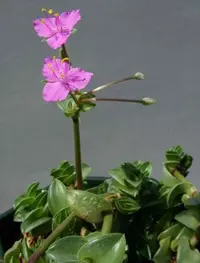
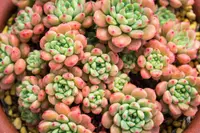
Purple crassula (Crassula atropurpurea) is a compact, branching succulent shrub valued for its small, fleshy leaves that turn deep purple in strong light. It typically forms low, bushy clumps and can develop a woody base with age, giving it a miniature shrub appearance.

This species is native to arid, rocky areas of South Africa and Namibia, so it is naturally adapted to bright light, good drainage, and short dry periods. Because of its slow growth and drought tolerance, it is generally easy to grow in containers, as long as excess moisture is avoided. Understanding how to care for purple crassula starts with providing bright light and a gritty, free-draining soil mix.

Main Plant Requirements

Care Difficulty

Easy Care

Light Preference

Full Sun

Water Requirements

Low Water

Temperature Preference

Tropical / Frost Sensitive

Hardiness Zone

10–11

Soil Texture

Sandy, Loamy, Rocky

Soil pH

Slightly acidic (6.5–7.0), Neutral (7.0)

Soil Drainage

Well-drained

Fertilization

Minimal (feed rarely)

Get Personalized Care Plan

Scan your plant to receive care tips personalized for your specific plant

Available on iOS and Android

How to Care for the purple crassula

This succulent prefers bright, open light to develop compact growth and strong color.

  • Provide 4–6 hours of direct morning sun plus bright light the rest of the day; in hot climates, give filtered or dappled afternoon light to reduce leaf scorch.
  • Purple crassula tolerates light partial shade, but stems may stretch and leaf color fades if it receives less than about 3–4 hours of direct sun daily.
  • Outdoors, shift plants gradually into stronger spring and summer sun, and in very intense sun use shade cloth (20–40%) to prevent sunburn and shriveling.

This drought-tolerant succulent stores water in its leaves and needs infrequent, careful watering.

  • Water only when the top 3–5 cm of soil are completely dry, using a thorough soak that drains freely away from the roots.
  • In spring and summer, expect more frequent watering, guided by soil dryness; in fall and winter, allow the soil to stay dry much longer, especially in cool conditions.
  • Use sharply draining soil and containers or beds with open drainage; soft, yellowing leaves and blackened stems suggest overwatering, while wrinkled, limp leaves point to underwatering in Crassula atropurpurea.

This species prefers warm, dry conditions with protection from both frost and extreme heat.

  • Ideal growing temperatures are 65–80°F (18–27°C) during active growth, with slightly cooler nights promoting sturdy, compact growth.
  • Protect from frost; brief exposure down to about 30–32°F (-1–0°C) may be survived if dry, but repeated or hard frosts damage leaves and stems.
  • In hot weather above 90°F (32°C), provide light shade and good air movement, and avoid temperature spikes from reflected heat near walls or pavement to reduce stress.

This succulent tolerates low humidity and usually does not need special moisture control in homes.

Crassula atropurpurea needs a sharply draining, mineral-heavy substrate to keep roots dry and oxygenated.

  • Use a gritty mix such as 50–70% inorganic material (pumice, coarse sand, or small grit) blended with 30–50% cactus potting mix.
  • Aim for slightly acidic to neutral pH around 6.0–7.0, avoiding strongly acidic or alkaline substrates that can limit nutrient uptake.
  • Improve aeration by using larger particle sizes (2–5 mm) and avoiding fine peat that compacts and stays wet around roots.
  • Avoid dense, water-retentive garden soil or clay-based mixes, which promote root rot and stem base collapse.

This species is well suited to container culture for controlled drainage and light exposure.

  • Choose a pot only 2–4 cm wider than the root mass to prevent excess wet substrate around fine roots.
  • Use unglazed clay or terracotta in windy or outdoor spots to add weight and reduce tipping of branching stems.
  • Ensure the saucer, if used, is emptied within 10–15 minutes after watering so the root zone never sits in stagnant water.

This succulent needs only light feeding to support compact, healthy growth in containers.

  • Use a balanced liquid fertilizer (for example 10-10-10) diluted to 25–50% strength for purple crassula in active growth.
  • Feed once every 4–6 weeks in spring and summer when the plant is producing new stems and leaves.
  • Skip compost-heavy mixes; choose low-organic, well-drained soil with optional slow-release granules mixed very sparingly.
  • Stop feeding in fall and winter, as low light and cooler temperatures reduce nutrient demand and can increase rot risk.

Pruning helps Crassula atropurpurea keep a dense, branched form and removes weak growth.

  • Carry out light pruning in late winter or early spring before strong new growth starts.
  • Clip back leggy, crowded, dead, or damaged stems with clean, sharp scissors or small pruners.
  • Make cuts just above a node to encourage branching and a more compact, bushy shape.
  • Remove spent flower stalks after blooming to tidy the plant and limit unnecessary energy use.

This species prefers slightly tight containers and only needs repotting when clearly root-bound.

  • Check for roots circling the pot, emerging from drainage holes, or slow growth despite good light and care.
  • Plan to repot every 2–3 years in late spring, using a cactus or succulent mix and a pot just 1–2 in wider.
  • Gently loosen circling roots, shake off old soil, and trim broken roots with sterile scissors to reduce stress.
  • Water lightly after repotting, then allow the mix to dry almost fully before the next watering to support recovery.

New plants are most often produced from stem or leaf cuttings taken from healthy Crassula atropurpurea.

  • Take 5–8 cm stem cuttings or firm leaves in late spring or early summer from non-flowering shoots.
  • Allow cut surfaces to dry and callus for 1–3 days to lower the risk of rot in the rooting medium.
  • Place cuttings on or in a gritty, barely moist succulent mix under bright, indirect light and good airflow.
  • Keep temperatures around 68–75°F and water sparingly until roots form, then pot individually into small containers.

Cold-sensitive plants in containers benefit from simple winter precautions to avoid frost damage.

  • Crassula atropurpurea should be kept above about 35–40°F; prolonged frost can damage leaves and stems.
  • Move pots indoors or into a bright, frost-free porch or greenhouse before the first hard frost.
  • Water very sparingly in winter, letting the soil dry fully to reduce rot risk in cool conditions.
  • If grown outdoors in mild climates, raise containers off cold surfaces and shelter from freezing winds.

Care Tips

Rotate For Symmetry

Turn the pot 1/4 turn every 2–3 weeks so stems color evenly and the plant does not lean or stretch toward a single light source.

Encourage Compact Growth

Pinch or cut back overly long stems just above a node, then let the cut ends callus for 1–2 days before replanting as cuttings to keep the plant dense and bushy.

Use Shallow Containers

Plant in a wide, shallow pot with good drainage to support its shallow root system and reduce the risk of water collecting deep around the roots.

Seasonal Light Adjustment

Shift the plant slightly farther from intense south-facing windows in midsummer, then move it closer again in autumn and winter to balance color development with reduced scorch risk when growing purple crassula.

Prevent Stem Breakage

In windy outdoor spots or on busy windowsills, place the pot inside a heavier cachepot or add a topdressing of gravel to stabilize the root zone and reduce the chance of brittle stems snapping.

Common Pests and Diseases

Mealybugs

This pest feeds on succulent leaves and stems, often hiding in tight crevices and at leaf joints. Symptoms include white cottony clusters, sticky honeydew, and slowed growth.

Solution

Isolate the plant, then dab visible insects with cotton swabs dipped in 70% isopropyl alcohol and repeat weekly until no new clusters appear. For heavier infestations, rinse the plant with a strong but gentle stream of water, allow it to dry well, then apply a light horticultural soap spray, keeping the soil dry for several days afterward.

Soft scale

These insects appear as small, tan to brown bumps on stems and older leaves, sucking sap and weakening the plant over time. Symptoms include dull, sticky foliage and sooty mold growing on honeydew deposits.

Solution

Gently scrape or wipe off visible scale with a soft cloth or cotton swab dipped in 70% isopropyl alcohol, treating stems thoroughly. Follow with 2–3 applications of insecticidal soap or a light horticultural oil at 7–10 day intervals, keeping the plant in bright, dry, well‑ventilated conditions during recovery.

Aphids

These insects cluster on soft new growth and flower stalks, feeding on sap and causing distortion. Symptoms include curled or sticky leaves, stunted new shoots, and sometimes sooty mold on honeydew.

Solution

Rinse the plant under a firm, lukewarm water stream to dislodge colonies, allowing foliage to dry completely afterward. If needed, apply insecticidal soap to young growth every 5–7 days until new leaves emerge clean, and avoid overfertilizing, which encourages soft, aphid‑prone growth.

Edema

This disorder occurs when roots absorb water faster than leaves can transpire, which is common in cool, low‑light indoor setups. Symptoms include corky, rough, or blister‑like spots on leaves, often on the lower parts of the plant.

Solution

Reduce watering frequency, allowing the soil to dry more deeply between waterings, and increase light to at least bright indirect levels. Improve air movement around the plant and avoid watering late in the day so foliage and soil surface can dry more rapidly.

Fungal leaf spots

This disease can develop on dense clusters of leaves when exposed to high humidity, poor airflow, or repeated overhead watering. Symptoms include small brown to black spots that may merge into irregular patches, sometimes with a yellow halo.

Solution

Remove and discard affected leaves, then adjust watering to keep foliage dry and soil only lightly moist, especially in cooler seasons. Improve air circulation, provide stronger light, and if new spots continue to appear, apply a sulfur or copper‑based fungicide according to label directions, making sure the plant dries quickly after treatment.

Interesting Facts

Color shifts with stress

This species develops its deepest purple to reddish tones when exposed to strong light and mild drought stress, while plants grown in shade remain greener with only faint coloration on leaf margins.

Miniature shrubby habit

Unlike many compact Crassula species that stay rosette-like, this plant naturally forms a small, much-branched woody shrub with distinct jointed segments, giving it a miniature shrubland look in older specimens.

Karoo habitat specialist

It is native mainly to semi-arid regions of South Africa, especially the Karoo, where it grows among rocky outcrops and gravelly slopes adapted to intense sun, large temperature swings, and very limited rainfall.

FAQs about purple crassula

Leaf curling usually comes from stress: underwatering, sudden temperature drops, or intense direct sun after shade. Check roots for rot, adjust watering, and acclimate gradually to brighter light to stabilize new growth.

Grow Healthy Plants with Botan Care

Keep your plants happy and healthy with plant identification, disease detection, and easy care guidance.

Botan plant care app — identify plants on mobile

Explore More Plants