mountain yucca Care (Yucca madrensis)

mountain yucca

About mountain yucca

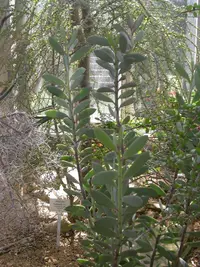
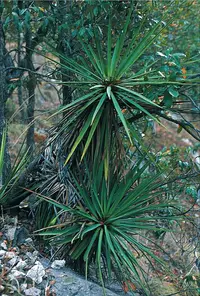
Mountain yucca (Yucca madrensis) is an evergreen, stem-forming succulent shrub native to rocky slopes and canyons in northeastern Mexico. It typically forms tight clumps of narrow, blue-green leaves with sharp tips and a tall flower stalk bearing white blooms. Growth is generally slow, and mature plants develop a strong architectural shape suited to dry, exposed sites. This species tolerates drought, poor soils, and strong sun, which makes it appealing to gardeners in arid or low-maintenance landscapes. Understanding how to care for mountain yucca mainly involves providing excellent drainage, plenty of light, and avoiding sustained excess moisture around the roots.

Main Plant Requirements

Care Difficulty

Moderate Care

Light Preference

Full Sun

Water Requirements

Low Water

Temperature Preference

Warm Climate

Hardiness Zone

8–10

Soil Texture

Sandy, Loamy, Rocky

Soil pH

Slightly acidic (6.5–7.0), Slightly alkaline (7.0–7.5)

Soil Drainage

Well-drained

Fertilization

Minimal (feed rarely)

Get Personalized Care Plan

Scan your plant to receive care tips personalized for your specific plant

Available on iOS and Android

How to Care for the mountain yucca

This species prefers bright, open conditions similar to its native mountain habitats.

  • Provide 6–10 hours of direct sun daily; full sun is ideal in most climates, with some light afternoon shade in very hot, low-desert areas.
  • Young or recently transplanted mountain yucca handles morning sun plus light, filtered afternoon sun better until fully established.
  • Watch foliage: pale, stretched leaves indicate too little light, while scorched, brown patches suggest intense, reflected afternoon sun is excessive.

Yucca madrensis is drought-tolerant and needs infrequent, deep watering in fast-draining soil.

  • Outdoors in the ground, water only when the top 5–8 cm of soil is completely dry, then soak thoroughly so water drains quickly away from the roots.
  • Reduce watering sharply in cool seasons; in winter, many plants in arid climates need no supplemental water beyond natural rainfall.
  • Symptoms of overwatering include yellowing, soft leaves and stem base rot, while persistent leaf curling and crisp tips signal prolonged dryness.

This yucca is adapted to marked temperature swings in mountainous regions.

  • Optimal growth occurs around 65–85°F (18–29°C), with strong light and dry air, especially during the active growing season.
  • Established plants can tolerate brief drops near 10–15°F (-12 to -9°C) if soil is sharply drained and roots are not waterlogged.
  • Heat tolerance is high up to 100–105°F (38–41°C) when airflow is good; prolonged cold, wet conditions and repeated freeze-thaw cycles increase rot risk.

Yucca madrensis handles low household humidity well and rarely needs special humidity care.

Yucca madrensis needs very fast-draining, mineral-based soil that mimics rocky slopes.

  • Use a gritty mix such as 50–60% coarse sand or small gravel with 40–50% cactus mix to keep roots dry and aerated.
  • Aim for slightly alkaline to neutral pH around 7.0–7.8, avoiding acidic mixes rich in peat.
  • Increase drainage and structure by adding pumice or perlite rather than water-holding materials like coco coir.
  • Avoid compacted, clay-heavy, or constantly moist soil, which encourages root rot and weak, etiolated growth.

This species can grow in containers if the pot is configured for maximum drainage and stability.

  • Choose a heavy, wide-based pot to prevent a tall, eventually top-heavy plant from tipping in wind or on balconies.
  • Select a pot deeper than it is wide to accommodate the strong taproot and allow vertical root development.
  • Use a pot material like unglazed terracotta that slightly accelerates moisture loss, helping match the plant’s arid-adapted root system.

Yucca madrensis grows well in lean soil but benefits from light feeding in containers or very poor ground.

  • Use a balanced, diluted liquid fertilizer (for example 10-10-10 at 1/4–1/2 strength) for potted plants.
  • Feed once every 4–6 weeks during the warm growing season only, on already moist soil.
  • Skip fertilizer in winter or when growth slows, to avoid soft, weak tissue.
  • For in-ground plants, a thin layer of compost in spring is usually sufficient.

Pruning for Yucca madrensis is mainly hygienic and shaping rather than intensive cutting.

  • Best timing is late winter to early spring, before strong new growth begins.
  • Remove dead, damaged, or crossing leaves and spent flower stalks with clean, sharp pruners.
  • Trim lower leaves gradually to raise the canopy and maintain a single or multi-stemmed form.
  • Disinfect tools before and after use to limit disease spread through cut surfaces.

Transplanting or repotting this slow-growing yucca is infrequent but sometimes necessary for healthy root development.

  • Look for roots circling the pot, pushing through drainage holes, or very slow growth as signals to move it.
  • Plan transplanting for late spring to early summer, when soil is warm and recovery is faster.
  • Expect to repot container plants about every 3–5 years into a pot just 2–5 cm wider, using gritty, fast-draining mix.
  • Minimize root stress by watering a day before, handling the root ball gently, and shading the plant for 3–5 days afterward.

Propagation of Yucca madrensis is usually done by offsets and stem cuttings rather than seed for home growers.

  • Detach offsets in late spring or early summer, keeping some roots attached, and plant in very well-drained mix.
  • Take firm stem cuttings, allow cut ends to dry and callus for several days before potting.
  • Provide bright light, warm temperatures around 70–80°F, and very sparing water while roots form.
  • Seed propagation is possible but slow; sow fresh seed in a gritty medium and keep lightly moist, not wet.

This mountain yucca is relatively cold hardy but benefits from simple winter precautions in colder regions.

  • Mature plants tolerate light freezes, but young plants are more sensitive below about 20°F.
  • Apply a 5–8 cm layer of dry mulch around the root zone, keeping it slightly away from the stem.
  • In very cold or wet winters, wrap the crown loosely with breathable fabric to limit freeze–thaw damage.
  • Move container plants to an unheated, bright shelter where soil stays barely dry, not frozen.

Care Tips

Encourage Strong Trunk

Expose the plant to steady air movement and rotate the container 90° every 2–3 weeks so the trunk develops evenly thick, wind-resistant growth rather than leaning toward one side.

Root-Zone Gravel Collar

When growing mountain yucca in the ground, top-dress only the root zone with 3–5 cm of coarse gravel to keep the crown dry, reduce rot risk, and discourage rodents from chewing the base.

Controlled Offset Removal

Remove basal pups with a clean, sharp knife only when they are 10–20 cm tall, then allow the cut surfaces on both mother plant and offset to dry for 2–3 days before potting to reduce infection risk.

Deep Container Stabilizing

Use a tall, heavy container and plant slightly deeper than nursery level, then add large rocks on the soil surface near the stem to prevent toppling as the plant develops a tall rosette and trunk.

Cold-Wet Protection

In regions with cold, wet winters, build a simple, open-sided rain shelter over the plant from late fall to early spring to keep the crown dry while still allowing maximum light and airflow.

Common Pests and Diseases

Yucca plant bug

This pest feeds on yucca leaves, causing pale stippling, rusty spots, and a rough, speckled surface that can progress to bronzing. Symptoms include cosmetic damage that can slowly weaken the plant if populations are high.

Solution

Prune and discard heavily damaged leaves, then spray remaining foliage with a strong stream of water to knock off nymphs and adults. If needed, apply an insecticidal soap or a horticultural oil labeled for ornamental use in the evening, repeating every 7–10 days until new growth appears clean.

Yucca moth larvae

These insects are the caterpillar stage of yucca moths and tunnel inside developing flower stalks and seed pods, which can cause wilting or premature drop of the inflorescence. Damage is usually seasonal and concentrated in flowering structures rather than leaves or stems.

Solution

Cut off and discard affected flower stalks and seed pods as soon as boring damage or frass is seen to break the life cycle. Avoid using broad-spectrum insecticides on open blooms to preserve beneficial pollinators, and rely mainly on timely pruning and sanitation for Yucca madrensis care instructions.

Scale insects

These insects attach to leaves and stems as small, hard, dome-shaped bumps and suck sap, leading to yellowing, slow growth, and sticky honeydew that can attract sooty mold. Infestations often start on older, lower leaves in dry, sheltered spots.

Solution

Wipe individual scales from leaves and stems with a cotton pad dipped in 70% isopropyl alcohol, then rinse the plant with lukewarm water. For larger infestations, use a horticultural oil spray, ensuring thorough coverage of leaf bases and crevices, and repeat after 7–14 days as needed.

Leaf spot

This disease causes tan to brown circular or irregular spots on leaves, sometimes with a darker border and a yellow halo. Symptoms include cosmetic spotting that may coalesce, leading to partial leaf death, especially under warm, humid conditions or with overhead watering.

Solution

Remove and discard spotted leaves and ensure good air movement around the plant by avoiding overcrowding and trimming dead material from the crown. Water at the soil level in the morning, keep foliage dry, and if spotting continues to spread, apply a copper-based fungicide according to label directions.

Interesting Facts

Cliff-dwelling specialist

This species is native to steep limestone canyons and cliffs of the Sierra Madre Oriental in northeastern Mexico, where it often grows in nearly vertical rock crevices exposed to intense sun and drying winds.

Unusual trunk formation

Unlike many related yuccas, it typically develops a solitary, slender trunk that can branch only modestly, creating narrow columnar crowns that help it cope with high light and limited rooting space on rock faces.

Cold-tolerant mountain native

Despite its origin in Mexico, this yucca comes from high-elevation habitats and is notably more cold-tolerant than many lowland yucca species, reflecting adaptation to cooler mountain nights and occasional frosts.

Botan icon

Did you know?

Yucca madrensis was only formally described in the late 1990s, after botanists recognized that the distinctive cliff-dwelling populations in the Sierra Madre Oriental were consistently different from other regional yuccas in trunk form, leaf texture, and habitat preference.

FAQs about mountain yucca

Brown tips or margins usually result from underwatering, low humidity, salt buildup from fertilizer, or cold or wind scorch. Check soil moisture, flush salts with thorough watering, and protect the plant from harsh drying winds.

Grow Healthy Plants with Botan Care

Keep your plants happy and healthy with plant identification, disease detection, and easy care guidance.

Botan plant care app — identify plants on mobile

Explore More Plants