Graptoveria Care (× Graptoveria 'Fred Ives')

Graptoveria

About Graptoveria

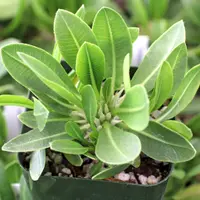
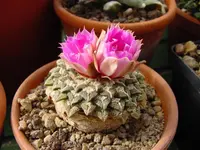
Graptoveria, including the popular hybrid × Graptoveria 'Fred Ives', is a compact succulent created from crossing Graptopetalum and Echeveria. It forms rosettes of fleshy leaves that shift in color from blue-green to pink, bronze, or purple depending on light and temperature.

This plant is commonly grown in containers and rock gardens rather than found in the wild, since it is a man-made hybrid. Its thick leaves store water, which makes it forgiving of short dry periods and suitable for beginners who want to learn how to care for Graptoveria.

It prefers bright light, low to moderate moisture, and a fast-draining, gritty soil mix to avoid root problems.

Main Plant Requirements

Care Difficulty

Easy Care

Light Preference

Full Sun

Water Requirements

Low Water

Temperature Preference

Tropical / Frost Sensitive

Hardiness Zone

10–11

Soil Texture

Sandy, Loamy, Rocky

Soil pH

Slightly acidic (6.5–7.0), Slightly alkaline (7.0–7.5)

Soil Drainage

Well-drained

Fertilization

Minimal (feed rarely)

Get Personalized Care Plan

Scan your plant to receive care tips personalized for your specific plant

Available on iOS and Android

How to Care for the Graptoveria

This hybrid succulent prefers bright, direct light to develop strong color and compact growth.

  • Aim for 4–6 hours of direct morning sun plus bright light the rest of the day, especially when caring for Graptoveria outdoors.
  • Provide light afternoon shade in very hot, arid climates to prevent leaf scorch, bleaching, or dry, crispy leaf edges.
  • In winter, move pots or choose a site with maximum sun; pale, stretched growth indicates insufficient light and the need for more exposure.

This succulent stores water in its leaves and needs infrequent, deep watering in fast-draining soil.

  • Water only when the top 3–5 cm of soil are completely dry, then soak thoroughly so water drains fully from the root zone.
  • Reduce watering in winter or during cool, low-light periods; soil may need 2–3 weeks or longer to dry between waterings.
  • Watch for mushy, translucent leaves or a sour smell as signs of overwatering, and shriveled, wrinkled leaves as a sign it is too dry.

This succulent prefers warm, dry conditions and does best when protected from frost and prolonged extreme heat.

  • Ideal growing range is 65–80°F (18–27°C), with slightly cooler nights promoting firm, colorful rosettes.
  • Short dips to 30–32°F (-1–0°C) may be survived if the plant is dry, but repeated frost damages leaves and may kill the crown.
  • In hot summers above 90°F (32°C), give afternoon shade and good airflow to limit heat stress, sunburn, and slow, stalled growth.

Humidity is rarely a concern for this succulent and typical indoor levels are generally suitable.

Soil for × Graptoveria 'Fred Ives' must be very fast-draining and mineral-rich to prevent root rot.

  • Use a gritty, sandy mix such as 50–70% inorganic material (pumice, coarse perlite, or crushed granite) blended with 30–50% cactus potting mix.
  • Aim for a slightly acidic to neutral pH around 6.0–7.0, which supports root function and nutrient availability.
  • Increase aeration by using large particle sizes (3–5 mm) and avoiding fine peat or coco coir that compacts when dry.
  • Avoid dense garden soil, clay-heavy mixes, or containers without sharp drainage, as these hold water around the roots.

This species is very suitable for container growing due to its compact, clumping habit.

  • Choose a wide, shallow pot that matches the shallow root system, leaving room around rosettes for offsets to form.
  • Select unglazed terracotta if extra evaporation is needed in humid or cool climates to keep the mix drier.
  • Use a pot that is heavier or wider than it is tall to prevent tipping as rosettes enlarge and become top-heavy.

This succulent benefits from light feeding to support compact rosettes and leaf color during active growth.

  • Use a balanced liquid fertilizer (around 10-10-10 or 20-20-20) diluted to 25–50% strength in spring and summer.
  • Feed × Graptoveria 'Fred Ives' every 4–6 weeks while growth is active, skipping applications in low light or stress.
  • Stop feeding in fall and winter, or reduce to 1 very light feeding if the plant stays under strong indoor light.
  • Avoid rich compost or heavy slow-release pellets that keep soil moist; excess nutrients encourage weak, stretched growth.

Pruning is mainly cosmetic and helps maintain a tidy, well-shaped × Graptoveria 'Fred Ives' rosette.

  • Best timing is late winter to early spring, before strong new growth, or after a flush of flowering.
  • Remove dead, dried, or mushy leaves by gently twisting them off at the base to improve airflow and reduce rot risk.
  • Trim stretched, leggy stems with clean, sharp scissors or pruners to encourage compact new rosettes below the cut.
  • Cut spent flower stalks close to the rosette once blooms fade, redirecting energy to vegetative growth rather than seed.

This succulent prefers infrequent repotting and performs well when slightly root-bound in a shallow container.

  • Plan to repot × Graptoveria 'Fred Ives' every 2–3 years, or when roots circle the pot and growth slows noticeably.
  • Choose late spring as the ideal time, using a dry, coarse cactus–succulent mix and a pot only 2–3 cm wider.
  • Gently loosen circling roots, remove old soggy soil, and replant at the same depth to limit transplant shock.
  • Keep the plant dry for 3–5 days after repotting, then resume light watering so damaged roots can callus and recover.

New plants are most often produced from offsets and leaf or stem cuttings, rather than seeds.

  • Take healthy stem cuttings or gently detach offsets in late spring or early summer for best rooting.
  • Allow cut ends and detached leaves to callus in dry air for 2–5 days to reduce rot risk when planted.
  • Set callused material on barely moist, gritty mix in bright, indirect light at 65–80°F to encourage root growth.
  • Use leaf cuttings only from firm, undamaged leaves; place them flat on the surface and avoid heavy watering until roots appear.

Cold sensitivity means this succulent needs protection in regions with freezing winters.

  • Move containers indoors before temperatures drop near 32°F, providing bright light and very well-drained soil.
  • Keep indoor temperatures around 55–70°F and reduce watering, allowing the mix to dry almost completely between waterings.
  • In mild climates without hard frost, grow × Graptoveria 'Fred Ives' in raised, sharply drained beds and avoid winter overhead watering.

Care Tips

Encourage Compact Rosettes

Rotate the pot 1–2 times per week during active growth so all sides receive similar light, which keeps the rosettes symmetrical and prevents lopsided, weak growth.

Protect From Heavy Rain

If kept outdoors, move the container under an eave or clear cover during prolonged rain so the fleshy leaves and crown do not stay wet for many hours, which reduces rot risk.

Use Top Dressing

Add a 0.5–1 in layer of decorative gravel on the soil surface to keep lower leaves off damp soil, limit fungus gnat breeding, and make watering easier to judge visually.

Seasonal Light Transition

When shifting from indoor to outdoor sun in spring, increase exposure over 7–10 days by starting in bright shade and gradually moving into more direct sun to avoid leaf scorch.

Monitor Offsets Strategically

Allow offsets to reach at least 3–4 cm across before separating, then replant them in small individual pots to maintain a compact main plant and create genetically identical backups, which is useful when caring for Graptoveria long-term.

Common Pests and Diseases

Mealybugs

This pest appears as small white cottony clusters tucked between leaves, at the leaf base, and along stems. Symptoms include sticky honeydew, sooty mold, and distorted or stunted new growth.

Solution

Isolate the plant, then dab visible insects with cotton swabs dipped in 70% isopropyl alcohol and repeat weekly until no new clusters appear. Improve light and air movement, avoid excess nitrogen fertilizer, and use a systemic insecticide labeled for succulents if infestations persist while following specific Graptoveria care instructions for watering to reduce stress on the plant.

Aphids

These insects cluster on tender new rosettes and flower stalks, sucking sap and causing curling or misshapen leaves and sticky honeydew. Ants may be attracted to the honeydew and can spread the aphids further.

Solution

Rinse the plant thoroughly with a firm but gentle stream of water, focusing on the rosette center and undersides of leaves, and repeat as needed. If colonies remain, treat with an insecticidal soap or neem oil spray in the early morning, keeping the plant out of strong sun until dry to prevent leaf spotting.

Soft scale

This pest shows up as small, rounded, tan or brown bumps adhered firmly to stems and leaf bases, often producing sticky honeydew. Symptoms include yellowing patches, reduced vigor, and a thin black sooty mold on affected areas.

Solution

Scrape or rub off individual scales with a cotton swab or soft cloth, then wipe stems with diluted isopropyl alcohol to remove remaining residues. For larger infestations, apply a horticultural oil or systemic insecticide labeled for ornamental succulents and repeat according to label directions until no new scales appear.

Edema

This physiological disorder occurs when roots absorb water faster than leaves can transpire, leading to water-soaked blisters or corky spots on lower leaves. Symptoms include rough, tan or brown patches that do not rub off but the plant usually remains otherwise healthy.

Solution

Reduce watering frequency, allow the soil to dry more thoroughly between waterings, and avoid sudden shifts from very dry to very wet conditions. Provide bright light and good airflow so leaves can dry quickly, and use a fast-draining gritty mix to limit water retention around the roots.

Powdery mildew

This disease presents as a white, powdery film on leaves and sometimes stems, often starting in shaded, crowded parts of the rosette. Symptoms include dull, faded foliage and reduced growth if the infection becomes extensive.

Solution

Increase light and airflow, avoid overhead watering, and remove heavily affected leaves to reduce spore load. Treat remaining foliage with a sulfur-based fungicide or potassium bicarbonate spray labeled for ornamentals, applying in the evening or under low light and repeating as directed until the powdery coating stops spreading.

Interesting Facts

Hybrid of two genera

This succulent is an intergeneric hybrid between Graptopetalum and Echeveria, which gives it a mix of traits such as relatively fast growth, robust rosettes, and strong tolerance of sun compared with many Echeveria cultivars.

Color shifts with stress

Its foliage can shift from soft blue-green to pink, copper, or mauve tones when exposed to strong light, cooler nights, or slight drought stress, due to changes in protective pigments called anthocyanins.

Large, open rosette form

Mature plants can form broad, open rosettes that often exceed 20–30 cm across, with leaves that curve and twist slightly, giving a distinctive, almost sculptural appearance compared with many compact rosette succulents.

FAQs about Graptoveria

Leggy, stretched rosettes form when light is too weak or comes from one direction. Stems elongate, leaves space out, and colors fade. Rotate the pot regularly and move it to a brighter position to prevent further stretching.

Grow Healthy Plants with Botan Care

Keep your plants happy and healthy with plant identification, disease detection, and easy care guidance.

Botan plant care app — identify plants on mobile

Explore More Plants