Copper Brightfig Care (Lampranthus glaucoides)

Copper Brightfig

About Copper Brightfig

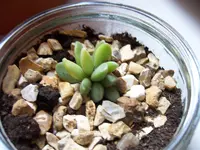
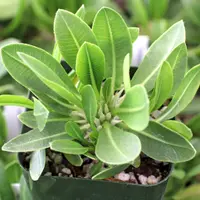
Copper brightfig, Lampranthus glaucoides, is a compact, mat-forming succulent known for its dense, fleshy foliage and vivid daisy-like flowers. It is often grown as a groundcover or in rock gardens and containers.

This species comes from dry, coastal areas of South Africa, so it is adapted to bright light, lean soil, and periods of drought. Its preference for sun and low water needs makes it relatively easy to grow where light is strong and soil drains well.

Beginners who learn how to care for Copper Brightfig mainly need to focus on avoiding excess moisture and providing as much direct light as local conditions allow.

Main Plant Requirements

Care Difficulty

Easy Care

Light Preference

Full Sun

Water Requirements

Low Water

Temperature Preference

Warm Climate

Hardiness Zone

9–11

Soil Texture

Sandy, Loamy, Rocky

Soil pH

Slightly acidic (6.5–7.0), Neutral (7.0)

Soil Drainage

Well-drained

Fertilization

Minimal (feed rarely)

Get Personalized Care Plan

Scan your plant to receive care tips personalized for your specific plant

Available on iOS and Android

How to Care for the Copper Brightfig

Lampranthus glaucoides thrives in strong, direct sun typical of its native arid habitats.

  • Provide 6–8 hours of direct sun daily, ideally with full morning and early afternoon exposure in open ground.
  • Plant Copper Brightfig in a position with only light afternoon shade in very hot regions to limit leaf scorch and flower fade.
  • Watch stems and foliage: weak, stretched growth and poor flowering indicate too little sun, while bleached patches suggest excess reflected or midday heat.

This drought-tolerant succulent needs infrequent, deep watering and very fast-draining soil.

  • Water only when the top 3–5 cm of soil are completely dry; in hot, dry weather this may mean every 7–14 days, less often in cool seasons.
  • Use sharply draining, sandy or gravelly soil so water runs through quickly, preventing root rot and swollen, splitting leaves from overwatering.
  • Reduce watering in winter to light, occasional sips; wrinkling, slightly soft leaves suggest mild thirst, while mushy, translucent tissue signals excess moisture.

This species prefers warm, dry conditions and struggles in prolonged cold or frost.

  • Aim for active growth around 65–80°F (18–27°C), with good air movement and low to moderate humidity.
  • Protect from temperatures below 30°F (-1°C); brief light frosts may damage tips, but repeated freezes can kill roots and stems.
  • In summer heat up to about 95°F (35°C), ensure soil does not stay wet and provide slight afternoon shade to limit stress and sun scorch.

This succulent prefers quite dry air and does not need extra humidity.

  • Aim for 30–50% relative humidity, similar to most heated or air-conditioned homes.
  • It tolerates even drier air; problems are more often from excess moisture than low humidity.
  • If humidity is high, increase airflow and keep foliage dry to prevent rot or fungal spots on Copper Brightfig.

This species needs very fast-draining, mineral-based soil to prevent root rot.

  • Use a gritty, sandy mix such as 50–70% coarse sand or fine gravel combined with a cactus/succulent substrate.
  • Ensure the mix stays loose and airy so water runs through within seconds and the pot does not feel heavy after watering.
  • Keep pH slightly acidic to neutral, around 6.0–7.0, which suits Lampranthus glaucoides and most common succulent mixes.
  • Avoid dense, peat-heavy or clayey soils that stay wet, and never use soil taken directly from a garden bed.

This species is very suitable for container growing.

  • Choose a shallow, wide pot to match its spreading habit and prevent unused, wet soil beneath the roots.
  • Select unglazed terracotta if extra evaporation is needed in cool or humid climates to reduce moisture around the roots.
  • Raise the container on feet or pot risers so drainage holes clear water quickly and the root zone never sits in runoff.

This drought-tolerant succulent needs only light feeding, so focus on modest support rather than rich soil for Copper Brightfig.

  • Use a low-dose, balanced liquid fertilizer (around 10-10-10) diluted to 25–50% strength for container plants.
  • Feed once every 4–6 weeks during active spring–summer growth if plants show pale foliage or weak flowering.
  • Avoid high-organic compost or heavy slow-release products that hold moisture, which can increase rot risk.
  • Stop feeding in late fall and winter when growth slows or stops.

Pruning Lampranthus glaucoides is mainly done to keep plants compact and flowering well.

  • Trim lightly after main flowering flush in late spring or early summer to maintain a low, tidy mound.
  • Remove dead, damaged, or overly woody stems at the base to stimulate fresh, floriferous growth.
  • Thin crowded sections so sunlight reaches inner stems, supporting dense yet airy growth.
  • Use clean, sharp scissors or small pruners, making cuts just above healthy joints.

This succulent is usually grown in the ground or shallow containers and dislikes frequent disturbance.

  • Plan any transplanting for late spring, once frost risk has passed and soil has warmed.
  • Look for roots circling the pot, slow growth, or rapid drying as signs a container plant needs more space.
  • Shift to a only slightly larger, free-draining pot or sunny, gritty bed to prevent waterlogging.
  • Handle the root ball gently, keep roots as intact as possible, and water lightly after moving to limit stress.

Lampranthus glaucoides is commonly propagated from stem cuttings and sometimes from seed.

  • Take 5–8 cm non-flowering tip cuttings in late spring or early summer.
  • Let cut ends dry and callus for 1–2 days, then place in a gritty, well-drained mix.
  • Provide bright light, warm temperatures around 70–75°F, and very light moisture until roots form.
  • Seeds need a sandy mix, surface sowing, gentle moisture, and bright, indirect light for germination.

This succulent prefers mild winters and benefits from simple measures in colder climates.

  • In-ground plants tolerate only light frost; extended freezes can damage foliage and stems.
  • Apply a thin gravel or coarse sand mulch around the base to keep crowns dry in winter.
  • Move containers indoors or to a cold, bright, frost-free spot when temperatures drop below 30°F.
  • Water sparingly in winter, keeping soil almost dry to reduce rot risk in cool conditions.

Care Tips

Encourage Compact Growth

Pinch back soft shoot tips after flowering to keep plants low, dense, and better able to resist wind damage in exposed, dry sites.

Improve Heat Resilience

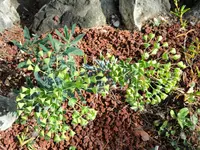
In very hot climates, plant near rocks or light-colored gravel that reflect some light but not intense heat, which helps maintain flowering while reducing stress on stems and roots.

Prevent Stem Rot

When planting in the ground, mound the soil slightly and keep the crown just above the surrounding grade so that heavy rain drains away from the stem base and does not cause rot.

Use Cuttings Strategically

Take short, non-flowering tip cuttings in late spring and root them in a very gritty mix to create backup plants, which is especially useful for older, woody clumps that may decline after several years.

Optimize Winter Drainage

In regions with cool, wet winters, grow Copper Brightfig in raised beds, rock crevices, or shallow mounds so excess moisture runs off quickly and roots stay aerated.

Common Pests and Diseases

Aphids

This pest feeds on tender new growth and flower stalks, sucking plant sap and causing distortion, sticky honeydew, and sometimes sooty mold on stems and leaves.

Solution

Spray the plant with a strong stream of water to dislodge colonies, then treat remaining insects with insecticidal soap or a light horticultural oil, applied in the early morning and repeated weekly until populations drop. Encourage natural predators such as lady beetles in outdoor plantings by avoiding broad-spectrum insecticides nearby.

Mealybugs

These insects appear as small white cottony clusters in leaf axils and along stems, weakening the plant by sucking sap and sometimes leading to yellowing segments and poor flowering.

Solution

Isolate affected plants, then dab visible mealybugs with cotton swabs dipped in 70% isopropyl alcohol and follow up with insecticidal soap on all stem joints and crevices. Improve light and airflow, and inspect regularly, removing any heavily infested stems to prevent reestablishment of the colony.

Spider mites

This pest thrives in hot, dry conditions and causes tiny pale speckling on succulent leaves, fine webbing between joints, and a dull, stressed appearance.

Solution

Increase humidity around the plant slightly without keeping the soil wet, and rinse stems and leaves thoroughly with lukewarm water to remove mites and webbing. For persistent infestations, apply insecticidal soap or a low-toxicity miticide labeled for ornamentals, repeating at 5–7 day intervals to target newly hatched mites.

Botrytis blight

This disease develops in cool, humid, or poorly ventilated conditions, leading to soft brown spots on succulent foliage and stems that may become covered with gray, fuzzy mold.

Solution

Remove and discard all affected plant parts, then improve sun exposure, drainage, and airflow around the clump to keep foliage dry. Avoid overhead watering, especially late in the day, and consider a targeted fungicide labeled for botrytis if the plant is in a high-humidity or greenhouse setting and cultural changes are not sufficient.

Crown and stem rot

This disease is promoted by waterlogged soil and poor drainage, causing tissue at the base of stems to soften, darken, and collapse, eventually killing entire segments of the mat-forming plant.

Solution

At the first signs of rot, cut away and discard all affected sections and replant only firm, healthy cuttings in sharply drained, gritty soil, keeping watering very light until roots establish. In outdoor beds, improve drainage with raised planting areas and coarse mineral amendments, and avoid overhead irrigation or frequent watering as part of general Lampranthus glaucoides care.

Interesting Facts

Copper-toned ice plant

This species develops distinctive copper to bronze-toned foliage under strong sun and cool, dry conditions, which contrasts with the more uniformly green leaves of many related ice plants.

Dawn and dusk flowering

Its daisy-like flowers open widest in bright light, especially around mid-morning and mid-afternoon, and partially close in low light or at night, a typical adaptation of many Aizoaceae to reduce water loss.

Succulent leaf armor

The short, thick, triangular leaves store water and have a glaucous, bluish surface that reflects excess sunlight and reduces transpiration, helping the plant survive in exposed, coastal or rocky habitats.

FAQs about Copper Brightfig

Poor flowering usually comes from insufficient light, overly rich or wet soil, or heavy old growth. Provide very bright conditions, avoid high-nitrogen fertilizer, and lightly trim after the main flush to encourage new, flower-bearing shoots next season.

Grow Healthy Plants with Botan Care

Keep your plants happy and healthy with plant identification, disease detection, and easy care guidance.

Botan plant care app — identify plants on mobile

Explore More Plants