Arizona pencil cholla Care (Cylindropuntia arbuscula)

Also known as: pencil cholla
Arizona pencil cholla

About Arizona pencil cholla

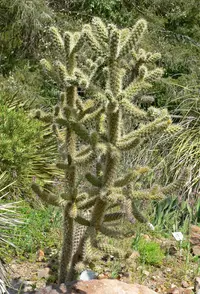
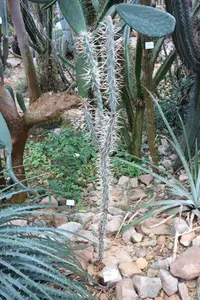
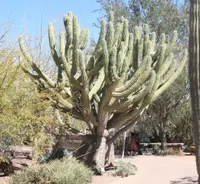
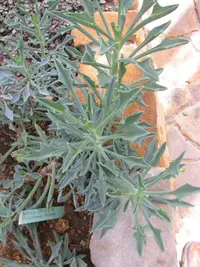
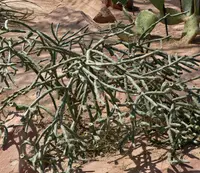
Arizona pencil cholla (Cylindropuntia arbuscula) is a shrubby cactus native to desert regions of the southwestern United States and northern Mexico. It usually forms open, branching clumps with narrow, pencil-like stems. Its stems are covered in sharp spines and small joints that detach easily, so it is best placed where people and pets do not brush against it. This species is adapted to hot, dry conditions and poor, rocky soils, which makes it drought tolerant but sensitive to overwatering. In cultivation, it prefers full sun, very fast-draining soil, and minimal moisture, so care for Arizona pencil cholla focuses mainly on avoiding excess water and winter cold.

Main Plant Requirements

Care Difficulty

Easy Care

Light Preference

Full Sun

Water Requirements

Low Water

Temperature Preference

Warm Climate

Hardiness Zone

8–11

Soil Texture

Sandy, Loamy, Rocky

Soil pH

Slightly acidic (6.5–7.0), Slightly alkaline (7.0–7.5)

Soil Drainage

Well-drained

Fertilization

Minimal (feed rarely)

Get Personalized Care Plan

Scan your plant to receive care tips personalized for your specific plant

Available on iOS and Android

How to Care for the Arizona pencil cholla

This desert cactus thrives in strong, direct sun but can adapt to slightly lower light if introduced gradually.

  • Provide 6–10 hours of direct sun daily; full, unshaded exposure suits most outdoor sites in arid and semi-arid climates.
  • Accepts light afternoon shade in very hot regions to reduce stem scorch, especially for young Arizona pencil cholla plants.
  • In winter, shorter days slow growth but no protection from sun is needed; poor light causes elongated, weak segments and dull color.

Watering should mimic desert rainfall patterns, with thorough soakings followed by long dry periods.

  • Allow the top 5–8 cm of soil to dry completely before watering; in native-like ground plantings this can mean many weeks between soakings.
  • Use fast-draining, gritty soil so water runs through quickly; standing water or heavy clay strongly increases root rot risk for Cylindropuntia arbuscula.
  • In summer heat, watch for wrinkling segments as a sign to water; in cool seasons, water only if pads soften, and avoid any watering during prolonged cold, wet spells.

This species is adapted to hot, dry climates and tolerates a wide temperature range if kept dry in cold weather.

  • For active growth, aim for 75–95°F (24–35°C); it remains stable up to about 105°F (40°C) if soil is very well drained.
  • Tolerates brief drops to around 15–20°F (-9 to -6°C) when fully dry, but repeated hard freezes can damage young segments and roots.
  • In regions with cold winters, plant in the warmest, sunniest microclimate; avoid frost pockets where cold air settles and protect from freezing rain or ice.

This cactus prefers very dry air and usually needs no humidity adjustment indoors.

  • Ideal humidity is 20–40%, similar to arid indoor conditions.
  • Arizona pencil cholla tolerates extremely dry air but may show humidity stress as soft, pale, or slightly shriveled segments when overwatered in humid rooms.
  • If humidity exceeds 50%, improve air movement with a fan and ensure soil dries fully between waterings.

This desert cactus requires very fast-draining, mineral-based soil to prevent root rot.

  • Use a mix of 50–70% coarse mineral material (pumice, perlite, grit, or coarse sand) and 30–50% cactus potting mix for structure.
  • Aim for a slightly acidic to neutral pH of about 6.0–7.2 to support nutrient availability without stressing roots.
  • Ensure the mix feels loose and gritty, never dense or spongy, so water runs through within seconds and roots get enough air.
  • Avoid clay-heavy, compacted, or peat-heavy substrates that stay wet for more than 1–2 days, as these quickly damage Cylindropuntia arbuscula roots.

This species is suitable for container growing when the pot is chosen to keep roots dry and the plant stable.

  • Select a wide, heavy container so the tall, jointed stems do not tip the pot in wind or when bumped.
  • Choose unglazed clay or terracotta to allow faster evaporation from the sides, which helps keep the root zone dry.
  • Fill the container only 2⁄3 deep with mix and top-dress with coarse gravel to keep basal joints dry and reduce splashing onto stems.

Cylindropuntia arbuscula is adapted to poor desert soils and needs only light fertilization in cultivation.

  • Use a low-dose, balanced cactus fertilizer (for example 5-5-5) or very dilute liquid 10-10-10 at 1/4 strength in spring.
  • Feed once at the start of active growth and, if needed, once more in early summer for growing Arizona pencil cholla.
  • Avoid compost-rich or manure-heavy mixes that hold moisture, since excess organic matter increases rot risk.
  • Provide no fertilizer in fall and winter, allowing growth to slow naturally during cooler, lower-light periods.

Pruning Cylindropuntia arbuscula is mainly done for safety, shape control, and plant health.

  • Carry out any structural pruning in late winter or early spring, before strong new growth starts.
  • Remove dead, shriveled, storm-damaged, or crossing segments using long-handled loppers or a sharp pruning saw.
  • Thin overly crowded stems to improve air flow and maintain a stable, open form that resists breakage.
  • Disinfect tools before and after work, and allow cut surfaces to dry and callus naturally in sun and dry air.

This species is more often transplanted in landscapes than kept long-term in small containers.

  • Plan transplanting or up-potting for late spring, once nights are warm and soils drain quickly.
  • Look for roots circling the container, slow growth despite good light, or the plant becoming top-heavy as signs it needs a larger space.
  • Use a very gritty cactus mix, disturb roots as little as possible, and handle stems with thick gloves or tongs.
  • Set at the same depth, keep soil barely moist for 1–2 weeks, then gradually resume deep, infrequent watering to limit stress.

Cylindropuntia arbuscula is commonly propagated from stem cuttings for consistent, hardy plants.

  • Take firm, healthy stem segments in late spring or early summer, cutting cleanly at a joint.
  • Let cut pieces dry in bright shade for 5–10 days until a thick callus forms over the cut surface.
  • Set callused ends into a gritty, fast-draining cactus mix and keep at 70–85°F with bright, indirect light.
  • Water very lightly after planting, then increase slightly once new growth or resistance to gentle tugging indicates root formation.

This desert cactus has moderate cold tolerance but benefits from thoughtful winter management in cooler regions.

  • In-ground plants in mild climates usually handle brief dips to about 20–25°F if soils are very well drained.
  • Apply a thin layer of coarse gravel mulch around the base to keep the root zone dry rather than warm.
  • Move container plants under a roof, cold frame, or bright indoor spot where temperatures stay above freezing.
  • Reduce watering sharply in winter, allowing the mix to dry completely between very light waterings to prevent root rot.

Care Tips

Use gravel collar

Create a 5–8 cm wide collar of coarse gravel or small rocks around the base to keep stems dry at soil level and reduce rot and slug damage when growing Arizona pencil cholla outdoors.

Stabilize young stems

Anchor newly planted segments with small rocks or short bamboo stakes for the first 3–4 months so wind or pets do not loosen the shallow root system before it is established.

Encourage clump shape

Remove or replant wayward outer segments while young and still small, directing new pads outward from a central base to maintain a compact, balanced clump rather than a sprawling, unstable form.

Dry winter rest

In mild-winter climates, keep the root zone completely dry from late fall through late winter and avoid mulches so the plant experiences a cool, arid rest period that improves long-term vigor.

Long-handled maintenance

Use long-handled tongs and a rigid tray or bucket when removing fallen segments or replanting cuttings, which prevents skin contact with spines and glochids and makes routine maintenance faster and safer.

Common Pests and Diseases

Cochineal scale

This pest forms white, cottony clusters on joints and pads, often accompanied by sticky sap and local yellowing. Symptoms include weakened segments and reduced new growth when infestations are heavy.

Solution

Dislodge clusters with a strong stream of water, then dab remaining insects with cotton swabs dipped in 70% isopropyl alcohol. For larger outdoor plants, use a horticultural soap or a neem-based product directed into joints, repeating every 7–10 days until no new spots appear, while keeping the plant in full sun and on the dry side.

Cactus longhorn beetle

This pest bores into stems near the base, causing sudden wilting, hollow segments, and dieback from the feeding galleries inside the cactus. Symptoms include oozing tissue at entry points and weakened, easily broken branches.

Solution

Monitor at dusk and dawn and hand-pick adult beetles where practical, then destroy heavily infested stems below the damage line and dispose of them off-site. Maintain a dry, well-drained site with minimal organic mulch around the base, and use physical barriers or fine wire mesh collars at the crown if beetle pressure is high in the area.

Fusarium stem canker

This disease causes sunken, reddish to brown lesions on stems that may expand and girdle segments, leading to shriveling and pad drop. Symptoms include internal brown streaks in the tissue when affected sections are cut open.

Solution

Cut out affected stems at least 5–10 cm above visible discoloration using a sterile, sharp tool, and discard all infected material in trash. Improve air flow, avoid overhead watering, and keep irrigation water off stems; in landscape settings, reduce stress by ensuring full sun and sharply draining soil, as chemical control is rarely practical for home growers managing Cylindropuntia arbuscula care instructions.

Cactus mealybugs

These insects hide in stem joints and under spines as small, white, cottony masses that suck sap, causing slow decline and occasional sooty mold on honeydew. Symptoms include stunted new segments and a dull, dirty appearance on lower portions of the plant.

Solution

Treat early by blasting plants with water to remove visible insects, then apply insecticidal soap or a neem-based spray, directing coverage into crevices and repeating weekly until no new colonies form. Quarantine new plants, avoid overcrowding, and keep plants in bright, dry conditions to reduce persistent infestations.

Bacterial soft rot

This disease turns affected segments wet, mushy, and foul-smelling, often starting from a wound or insect damage site. Symptoms include rapid collapse of stems and dark, water-soaked areas that spread quickly in warm, humid conditions.

Solution

Remove and discard all soft, discolored tissue immediately, cutting back into firm, healthy stem and sterilizing tools between cuts with alcohol or a 10% bleach solution. Keep the plant in a very dry, sunny position, avoid any water on stems, and reduce mechanical injury by limiting handling and protecting the plant from crushing or hail damage.

Interesting Facts

Low-desert specialist

This species is naturally restricted to low elevations in central and southern Arizona, where it occupies very hot, arid Sonoran Desert flats and gentle slopes rather than cooler uplands.

Unusual pencil stems

Its slender, densely jointed branches stay much thinner than many related chollas, giving it a fine, twiggy silhouette that helps reduce direct sun exposure and water loss in extreme heat.

Subtle seasonal flowering

It produces relatively small, yellowish to greenish flowers in spring that can be overlooked against the stems, yet they provide an important early-season nectar and pollen source for native desert insects.

Botan icon

Did you know?

This species often forms loose, open thickets that act as protective cover for small desert animals, creating shaded microhabitats that are noticeably cooler and slightly more humid than the surrounding bare ground.

FAQs about Arizona pencil cholla

Lack of flowers usually comes from insufficient maturity, poor light intensity, or stress from recent transplanting or pruning. Stable outdoor conditions, strong sun, and avoiding excess fertilizer help, as does patience; plants often bloom more reliably with age.

Grow Healthy Plants with Botan Care

Keep your plants happy and healthy with plant identification, disease detection, and easy care guidance.

Botan plant care app — identify plants on mobile

Explore More Plants