Tephrocactus aoracanthus Care

Tephrocactus aoracanthus

About Tephrocactus aoracanthus

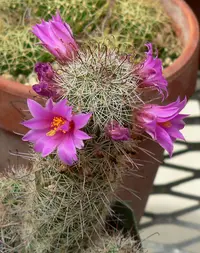
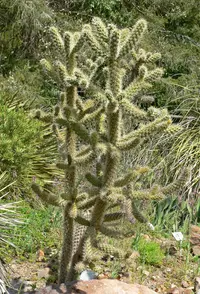
Tephrocactus aoracanthus is a small segmented cactus from arid regions of Argentina. It forms loose clumps of rounded, jointed pads armed with long, stiff spines. The segments detach easily, allowing the plant to spread slowly over time and making handling tricky. Spines are often pale to dark and create a striking, architectural look in containers or rock gardens. This species prefers bright, direct light, very fast-draining gritty soil, and careful, infrequent watering. Once its needs are understood, it is a durable and low-maintenance choice for growers who want to learn how to care for Tephrocactus aoracanthus.

Main Plant Requirements

Care Difficulty

Moderate Care

Light Preference

Full Sun

Water Requirements

Low Water

Temperature Preference

Warm Climate

Hardiness Zone

9–11

Soil Texture

Sandy, Rocky, Loamy

Soil pH

Slightly acidic (6.5–7.0), Neutral (7.0)

Soil Drainage

Well-drained

Fertilization

Minimal (feed rarely)

Get Personalized Care Plan

Scan your plant to receive care tips personalized for your specific plant

Available on iOS and Android

How to Care for the Tephrocactus aoracanthus

This cactus thrives in bright, mostly direct sun with some protection during the hottest hours.

  • Provide 6–8 hours of direct sun daily, ideally strong morning sun with light afternoon shade, especially in hot, dry climates.
  • Allow Tephrocactus aoracanthus to adapt gradually to full sun over 2–3 weeks to avoid bleaching, corky patches, or sunburned spots.
  • In winter, ensure it still receives 4–6 hours of bright light; move potted plants to the brightest, south- or west-facing exposure available.

Watering should mimic an arid climate with thorough but infrequent soaking.

  • During active growth in spring–summer, water only when the top 3–5 cm of soil are completely dry and the pot feels noticeably lighter.
  • Use fast-draining, gritty soil and let excess water drain fully; soft, yellowing segments or a sour smell indicate overwatering and possible root rot.
  • In autumn–winter, reduce watering sharply, sometimes to once every 4–6 weeks, allowing the plant to stay almost dry; slight wrinkling of segments signals it is time to water.

This species prefers warm, dry conditions and only short exposure to cold.

  • Aim for 70–85°F (21–29°C) during active growth; short peaks up to 95°F (35°C) are tolerated if airflow is good and soil is dry between waterings.
  • Protect from frost; it may survive brief drops to about 25–28°F (-4 to -2°C) if very dry, but tissue damage is likely below freezing.
  • In winter, a cool, dry rest at 45–55°F (7–13°C) improves health, but avoid sudden swings of more than 10–15°F (6–8°C) in a few hours.

This cactus prefers dry air and generally does well in typical indoor humidity.

  • Aim for 20–40% humidity, similar to an arid room environment.
  • Dry household air is usually safe; persistent humidity above 60% increases rot risk.
  • Too much humidity shows as soft, pale, or blackening stem segments; increase air movement and reduce watering if this occurs.

This species needs a very fast-draining, mineral-rich substrate to prevent root and stem rot.

  • Use a gritty mix: 50–70% mineral components such as pumice, coarse sand, or fine gravel, with 30–50% cactus potting mix.
  • Structure should feel loose and crumbly, never compact, so water runs through in seconds and the pot dries within a few days.
  • Maintain slightly acidic to neutral pH around 6.0–7.0, avoiding strongly alkaline mixes with large amounts of limestone chips.
  • For Tephrocactus aoracanthus, avoid moisture-retentive ingredients such as peat-heavy mixes, vermiculite, or fine regular garden soil that clogs pore spaces.

This species is well suited to container growing due to its compact, segmented form.

  • Choose a wide, shallow pot that matches the shallow root system and lowers the risk of tipping from the heavy upper segments.
  • Select unglazed terracotta if possible, as it speeds evaporation and keeps the root zone drier between sparse waterings.
  • Add a surface layer of coarse gravel to stabilize the modular stems and prevent the top dressing from sealing and slowing evaporation.

This desert cactus needs only light feeding to stay healthy in cultivation.

  • Use a low-dose balanced liquid cactus fertilizer (around 5-5-5) diluted to 25–50% strength in well-watered plants.
  • Feed Tephrocactus aoracanthus once every 4–6 weeks during the warm, active growing season only.
  • Skip compost and heavy organic feeds, which hold excess moisture around roots.
  • Stop fertilizing in fall and winter to respect its natural rest period and prevent weak, etiolated growth.

This species needs minimal pruning and is usually maintained only for health and shape.

  • Carry out any work in late spring or early summer when growth is active and wounds heal faster.
  • Remove dead, shriveled, or diseased segments with tongs and a clean, sharp knife or pruning snips.
  • Detach crowded or awkward segments to improve air flow and maintain a compact shape.
  • Discard infected material and avoid cutting healthy tissue on Tephrocactus aoracanthus more than necessary.

Container-grown plants prefer infrequent repotting in small, stable pots with excellent drainage.

  • Check for roots circling the pot, pushing through drainage holes, or clear slowing of growth as signs it needs more space.
  • Plan to repot every 3–4 years in late spring, just before or as active growth begins.
  • Use a shallow, slightly wider pot with a gritty cactus mix, disturbing roots as little as possible.
  • Lift the plant with tongs, allow roots to dry for 1–2 days if damaged, then replant and keep soil just barely moist for 1–2 weeks.

This cactus is commonly propagated from stem segments, with seeds used less often at home.

  • Detach firm, healthy segments in late spring or early summer using tongs and a clean knife.
  • Allow cut surfaces to callus in a dry, shaded place for 7–14 days to reduce rot risk.
  • Set callused segments on or slightly in gritty, barely moist cactus mix in bright, indirect light.
  • For seeds, sow on a very free-draining mix, keep slightly moist, and provide warm temperatures (70–80°F) for steady germination.

This species benefits from a cool, very dry winter rest to stay compact and flower reliably.

  • Keep plants around 40–50°F in winter, avoiding prolonged exposure below about 25°F, especially when wet.
  • In outdoor beds, use a gritty, raised site and a gravel mulch to keep the root zone dry in cold weather.
  • Move containers under cover or indoors to a bright, unheated space before hard freezes arrive.
  • Water very lightly or not at all in winter so Tephrocactus aoracanthus remains dormant and resists rot.

Care Tips

Modular segment handling

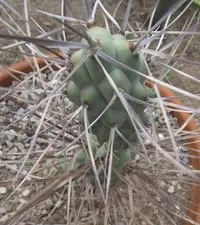
When a segment breaks off, allow the cut surface to dry for 7–10 days in bright, dry shade, then place it on top of dry, gritty mix so new roots form before you bury it lightly.

Deep pot anchoring

Use a deeper, narrow pot and top-dress with coarse gravel to stabilize the stacked segments and reduce the chance of plants toppling or segments snapping under their own weight.

Winter rest management

From late fall, keep the plant in a very bright, cool, and almost bone-dry spot so the stems stay firm and compact, which supports flowering and prevents weak, elongated growth in spring.

Spine-safe handling

Handle pads only with rigid tools such as kitchen tongs or folded newspaper sleeves to avoid skin contact with the sharp spines and prevent crushing the tissue at the joints.

Targeted inspection zones

Inspect closely around the areoles and between stacked segments every few weeks to spot scale or mealybugs early, then isolate and treat affected plants promptly to protect your whole cactus collection when growing Tephrocactus aoracanthus.

Common Pests and Diseases

Mealybugs

This pest feeds on cactus segments and hides in woolly clusters in areoles and between joints. Symptoms include slowed growth, yellowing, and sooty mold on honeydew deposits.

Solution

Remove clusters with a cotton swab dipped in 70% isopropyl alcohol and repeat weekly until no new insects appear. Improve air movement, isolate the plant, and if the infestation is extensive, use a systemic insecticide labeled for cacti at the lowest effective dose according to label directions.

Red spider mites

These insects are tiny sap-feeding mites that thrive on Tephrocactus segments in hot, dry, stagnant air. Symptoms include fine webbing, dull or rusty discoloration of segments, and a roughened surface over time.

Solution

Rinse the plant thoroughly with a firm but gentle stream of water, including hidden crevices, and repeat several times over 7–10 days. Increase humidity slightly around, but not on, the plant and use a targeted acaricide or horticultural oil labeled for mite control if the population persists.

Scale insects

This pest appears as small, hard, oval or dome-shaped bumps on segments, often lined along joints and areoles. Symptoms include localized yellowing, stunted growth, and sticky honeydew that can attract mold.

Solution

Manually remove scales with a soft brush or cotton swab dipped in 70% isopropyl alcohol, taking care not to damage the segments. For heavy infestations, combine mechanical removal with a systemic insecticide and monitor regularly, especially in spring and summer when growing Tephrocactus aoracanthus.

Fusarium stem rot

This disease often enters through small injuries on the joints, causing sunken, brown to black lesions that can spread internally. Symptoms include softening of the affected segment and eventual collapse of that joint.

Solution

Cut out affected joints well into healthy tissue with a sterile knife and discard all diseased material. Allow cut surfaces to dry and callus in a bright, dry place, reduce watering, and avoid wounding the plant; if several plants are affected, dispose of severely infected specimens to protect healthy ones.

Bacterial soft rot

This disease causes rapid softening and water-soaked, foul-smelling areas on the segments, often following overwatering or mechanical damage. Symptoms include mushy tissue that may detach easily from the rest of the plant.

Solution

Immediately remove and discard all affected joints and any adjacent soft tissue using sterile tools, and do not compost infected parts. Allow remaining healthy tissue to dry thoroughly, keep the plant in a warm, very dry, well-ventilated spot, and adjust watering to a sparse schedule in a gritty, fast-draining mineral substrate to prevent recurrence.

Interesting Facts

Segmented ball-like stems

This species grows in distinct spherical to egg-shaped segments that stack irregularly, giving it a loose, beaded structure rather than the elongated pads seen in many other opuntias.

Exceptionally long spines

Its spines can reach several centimeters in length and are often stiff, needle-like, and slightly curved, offering strong mechanical protection against herbivores in its native arid habitats.

Cold-hardy desert cactus

Compared with many South American cacti, this species tolerates relatively low temperatures and brief light frosts when kept completely dry, reflecting adaptation to high-elevation, continental desert conditions.

Botan icon

Did you know?

This species naturally occurs in patchy, scattered populations on rocky, mineral-rich soils in Argentina, and some of these local populations are considered of conservation concern due to habitat disturbance and collection pressure, so responsible cultivation and avoiding wild-collected plants is important when looking into Tephrocactus aoracanthus care instructions.

FAQs about Tephrocactus aoracanthus

This species grows slowly, typically adding only 1–3 new segments per year. Growth is clumping rather than tall, forming a low, irregular mound over several years when light, drainage, and winter rest are adequate.

Grow Healthy Plants with Botan Care

Keep your plants happy and healthy with plant identification, disease detection, and easy care guidance.

Botan plant care app — identify plants on mobile

Explore More Plants