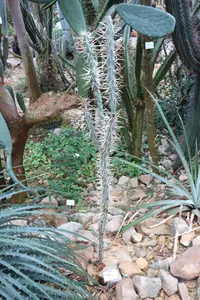
Mammillaria mazatlanensis Care

Mammillaria mazatlanensis

About Mammillaria mazatlanensis

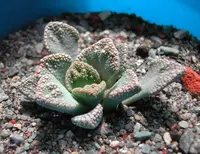
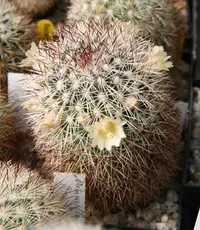
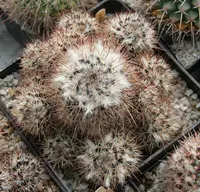
Mammillaria mazatlanensis is a small, clustering cactus species known for its rounded stems covered in dense tubercles and fine, often colorful spines. With age, it forms compact clumps that fit well in small pots or rock garden settings.

This species is native to arid regions of Mexico, where it grows in rocky, well-drained habitats with intense sunlight. Its slow growth, drought tolerance, and modest size usually make it straightforward to care for Mammillaria mazatlanensis.

It prefers bright light, low to moderate watering, and gritty, fast-draining soil, which helps prevent root and stem rot in cultivation.

Main Plant Requirements

Care Difficulty

Easy Care

Light Preference

Full Sun

Water Requirements

Low Water

Temperature Preference

Tropical / Frost Sensitive

Hardiness Zone

10–11

Soil Texture

Sandy, Loamy, Rocky

Soil pH

Slightly acidic (6.5–7.0), Neutral (7.0)

Soil Drainage

Well-drained

Fertilization

Minimal (feed rarely)

Get Personalized Care Plan

Scan your plant to receive care tips personalized for your specific plant

Available on iOS and Android

How to Care for the Mammillaria mazatlanensis

This cactus prefers bright sun but needs some protection from harsh afternoon exposure in hot climates.

  • Provide 4–6 hours of direct morning sun plus bright, filtered light for the rest of the day, especially in arid or warm regions where it is often grown outdoors in rocky soil.
  • Tolerates light partial shade, but stems may elongate and flowering can decrease if light stays below about 3–4 hours of direct sun daily.
  • In summer, introduce Mammillaria mazatlanensis gradually to stronger sun to avoid bleaching or brown scorch; in winter, move it to the brightest frost-safe spot to compensate for weaker light.

Watering should mimic desert rainfall patterns with thorough but infrequent soaking and fast drying between events.

  • Water only when the top 3–5 cm of soil are completely dry; in warm active growth this may mean every 10–21 days, but always check the soil rather than the calendar.
  • Use a very free-draining, gritty mix so excess water runs out quickly; shriveling ribs signal mild thirst, while soft, yellowing or blackened tissue indicates overwatering and possible root rot.
  • Reduce watering sharply in cooler months, giving just a light drink every 4–6 weeks if the plant starts to wrinkle, and never leave the root zone standing in water.

This species prefers warm, dry conditions with a cooler but not freezing rest period in winter.

  • Aim for 70–85°F (21–29°C) during active growth; short peaks up to 95°F (35°C) are tolerated if the soil is dry and there is airflow and some afternoon shade.
  • Protect from frost; growth slows below about 55°F (13°C), and damage can occur below 40°F (4°C), especially in prolonged cold or damp conditions.
  • For winter rest, keep it around 50–60°F (10–16°C), with very limited watering, to encourage compact growth and better flowering in the next warm season, which supports successful growing Mammillaria mazatlanensis.

This cactus prefers dry air and typical indoor humidity without special intervention.

  • Target 30–50% relative humidity, similar to most heated indoor homes.
  • Dry air is well tolerated; problems usually come from excess moisture rather than low humidity.
  • If stems look soft or discolored, check for overwatering and poor air movement instead of trying to raise humidity.

Use a sharply draining, mineral-rich mix that dries quickly around the roots.

  • Aim for a gritty texture: about 60–80% mineral materials such as pumice, perlite, and coarse sand, with 20–40% low-organic cactus mix.
  • Ensure very fast drainage; water should pass through the pot in seconds and the mix should not stay wet for more than 1–2 days.
  • Maintain slightly acidic to neutral pH around 6.0–7.0, which supports nutrient uptake without encouraging rot.
  • Avoid peat-heavy, compact, or water-retentive mixes that stay soggy or form clods, since Mammillaria mazatlanensis is highly prone to root rot.

This species is well suited to container growing when the pot and drainage are chosen carefully.

  • Select a wide, shallow pot to match the shallow root system and reduce the risk of water lingering deep in the mix.
  • Choose unglazed terracotta if extra evaporation is needed, especially in cooler or dimmer locations where the mix dries slowly.
  • Place the container where it cannot be knocked over, since clustered stems become heavier and can tip lightweight pots.

Light feeding supports compact, healthy growth in Mammillaria mazatlanensis without forcing lush, weak tissue.

  • Use a low-dose balanced cactus fertilizer (for example 5-5-5 or 10-10-10) or a diluted general balanced NPK, at 1/4–1/2 strength.
  • Apply liquid feed every 4–6 weeks during active growth in spring and summer on already-moist soil.
  • Avoid organic compost or rich slow-release pellets that hold excess moisture around the roots.
  • Stop feeding in fall and winter to allow a cool, dry rest period and reduce rot risk.

Pruning needs are minimal and mostly hygiene-focused for Mammillaria mazatlanensis.

  • Carry out any pruning in late spring or early summer when growth is active and wounds heal faster.
  • Use clean, sharp scissors or small pruning snips to remove dead, shriveled, or diseased stems and offsets.
  • Thin out crowded offsets only if they trap debris or moisture, helping maintain airflow and reduce rot.
  • Limit cuts to problem areas to preserve the plant’s natural clumping shape and flowering potential.

Repotting is infrequent but important to keep roots healthy and the plant stable in its container.

  • Repot every 3–4 years, or when roots circle the pot, mix dries extremely fast, or growth slows despite proper light.
  • Choose late spring as the ideal time, when temperatures are warm and new roots can re-establish quickly.
  • Use a shallow pot with drainage and a very gritty cactus mix, handling the root ball gently to avoid damage.
  • After repotting, keep the plant dry for 5–7 days, then resume light watering to reduce transplant shock and rot risk.

Propagation of Mammillaria mazatlanensis is commonly done from offsets and sometimes from seed.

  • Detach offsets in late spring or early summer using clean, sharp scissors or a knife.
  • Let cut surfaces dry and callus in bright, indirect light for 5–7 days before planting.
  • Set offsets onto barely moist, gritty cactus mix and keep warmth (70–80°F) and bright light without harsh midday sun.
  • For seed, sow on the surface of sterile, fine mix, maintain light moisture and warmth, and expect relatively slow germination.

Winter care focuses on keeping Mammillaria mazatlanensis cool, very dry, and frost-free.

  • Keep temperatures around 45–55°F in winter; avoid exposure to frost or prolonged drops near freezing.
  • Move container plants indoors or to an unheated but bright, dry space before the first hard frost.
  • Provide as much light as possible while reducing watering to a minimum, only preventing severe shriveling.
  • Ensure the potting mix stays mostly dry, which supports dormancy and reduces root and stem rot in cold conditions.

Care Tips

Use a top dressing

Apply a 0.5–1 cm layer of inert gravel or pumice on the soil surface to keep the neck of the plant dry, reduce algal growth, and stabilize the shallow root system in its pot.

Encourage compact growth

Rotate the pot 90° every 2–3 weeks during the brighter months so that the stems receive even light and develop a symmetrical, compact clump instead of leaning toward one side.

Safe handling setup

When repotting, wrap the plant in a folded strip of newspaper or use silicone-tipped tongs so you can lift and position it securely without damaging the spines or tissue.

Dry rest for flowering

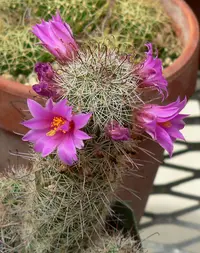
Provide a cool, very dry rest in late fall to winter by keeping the plant around 50–60°F and watering only enough to prevent shriveling, which supports reliable bud and ring-flower formation the following season when growing Mammillaria mazatlanensis.

Prevent crown rot

When watering, pour slowly at the inner pot edge rather than over the crown so that water runs down the sides and into the mix, minimizing moisture sitting between the tubercles at the top of the plant.

Common Pests and Diseases

Mealybugs

This pest often hides in woolly areoles and between stems, sucking sap and causing stunted growth and yellowing. Symptoms include cottony white clusters that are easy to miss among the spines.

Solution

Isolate the plant, then dab visible insects with cotton swabs dipped in 70% isopropyl alcohol and repeat weekly until no new clusters appear. For heavier infestations on cacti, apply a systemic insecticide labeled for succulent use and improve light and airflow to discourage reinfestation while following general Mammillaria mazatlanensis care instructions.

Spider mites

These insects favor hot, dry conditions and can cause pale, rough, or bronzed patches on the stems of this cactus. Symptoms include very fine webbing between tubercles and at the base of spines.

Solution

Rinse the plant gently with a strong but controlled stream of water to remove mites and webbing, keeping the soil as dry as possible. Increase humidity slightly around the plant without wetting the body for long periods, and use a miticide or insecticidal soap labeled for spider mites, repeating treatments according to the product directions.

Scale insects

This pest attaches firmly to the stem surface, appearing as small brown or gray bumps along ribs and around areoles. Symptoms include localized yellowing, weakened growth, and sticky honeydew on the pot or nearby surfaces.

Solution

Scrape or pry off individual scales with a toothpick or soft brush, then wipe the stems with a cloth lightly moistened with diluted alcohol. For persistent populations, apply a systemic insecticide suitable for cacti and ensure the plant receives strong light and is not overfertilized, which can attract more pests.

Corky scab lesions

This disorder appears as rough, brown, corky patches on the lower parts of stems, sometimes following mechanical damage or minor fungal infection. Symptoms include hardened, bark-like areas that stay dry but may slowly expand if conditions stay humid or the plant is stressed.

Solution

Remove any loose, obviously dead tissue with a sterile blade and keep the plant in bright, dry, well-ventilated conditions so the affected areas dry and stabilize. Avoid overhead watering, allow the soil to dry thoroughly between waterings, and monitor to ensure the corky areas remain dry and firm rather than softening or spreading rapidly.

Fusarium stem rot

This disease causes internal tissue collapse that can appear as sunken, reddish-brown or black areas on the stem, often starting near old wounds or the base. Symptoms include a foul smell and soft, water-soaked tissue that spreads upward if not managed quickly.

Solution

Cut away all affected tissue with a sterile knife until only firm, healthy flesh remains, then allow the plant to dry and callus in a shaded, airy place for several days. Discard heavily infected plants and contaminated soil, re-root healthy cut sections in fresh, sterile cactus mix, and reduce watering while maintaining strong light to limit future infections.

Interesting Facts

Coastal Sinaloa endemic

This species occurs naturally on rocky slopes and hillsides in a limited stretch of coastal northwestern Mexico, mainly around the Mazatlán region of Sinaloa, where it grows in very open, sun-exposed habitats.

Slender clustering stems

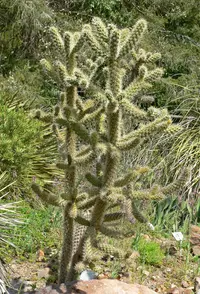
It forms dense clusters of elongated cylindrical stems rather than the short globose shape seen in many other Mammillaria species, creating cushion-like mounds over time.

Pink funnel-shaped flowers

The plant produces relatively large pink, funnel-shaped flowers near the stem tips that can form a loose ring, followed by small, elongated, reddish fruit containing glossy black seeds.

FAQs about Mammillaria mazatlanensis

This species often produces several flushes of flowers in a growing season if conditions stay warm and bright. Individual blooms are small but can ring the stem, creating a crown effect multiple times each year.

Grow Healthy Plants with Botan Care

Keep your plants happy and healthy with plant identification, disease detection, and easy care guidance.

Botan plant care app — identify plants on mobile

Explore More Plants