Woburn Cactus Care (Mammillaria voburnensis)

Also known as: Tropical Cactus
Woburn Cactus

About Woburn Cactus

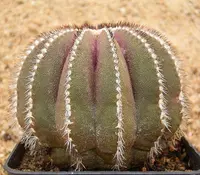
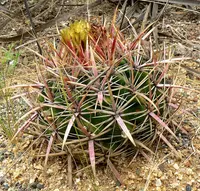
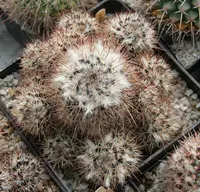
Mammillaria voburnensis, often called Woburn cactus, is a small, clustering cactus known for its rounded stems covered in dense white spines and fine hairs. Mature plants form low mounds that can produce numerous offsets over time.

This species is native to Mexico, where it grows in rocky, well-drained habitats with strong sun and low rainfall. It typically bears small, ring-shaped flowers near the crown, adding ornamental value without much size.

M. voburnensis is considered relatively easy for patient growers, as long as excess moisture is avoided and strong light is provided. Understanding how to care for Woburn Cactus mainly involves preventing root rot and giving it a gritty, fast-draining soil mix.

Main Plant Requirements

Care Difficulty

Easy Care

Light Preference

Full Sun

Water Requirements

Low Water

Temperature Preference

Warm Climate

Hardiness Zone

10–11

Soil Texture

Sandy, Loamy, Rocky

Soil pH

Slightly acidic (6.5–7.0), Neutral (7.0)

Soil Drainage

Well-drained

Fertilization

Minimal (feed rarely)

Get Personalized Care Plan

Scan your plant to receive care tips personalized for your specific plant

Available on iOS and Android

How to Care for the Woburn Cactus

This small cactus needs strong light to keep its stems compact and well-spined.

  • Provide 6–8 hours of bright light daily, ideally full morning sun with light, filtered sun or bright shade in the afternoon, especially in hot, low-latitude regions.
  • Outdoors, place Woburn Cactus where it gets unobstructed east or south exposure; indoors, use a south- or west-facing window and rotate the pot every 1–2 weeks.
  • Watch for signs of stress: bleached or yellow patches indicate too much intense midday sun, while elongated, pale growth signals insufficient light, especially in winter.

This desert cactus stores water in its stems and prefers drying out between waterings.

  • Allow the top 3–5 cm of soil to dry completely before watering, then soak thoroughly so excess drains away, rather than giving frequent small sips.
  • In spring and summer, expect more frequent watering as growth and evaporation increase; in fall and winter, water very sparingly once the mix has been dry for several days to reduce rot risk.
  • For Mammillaria voburnensis, watch for soft, blackened tissue or a sour smell as signs of overwatering, and wrinkling or slight stem shrinkage as cues it is ready for a deep drink.

This cactus prefers warm, dry conditions and dislikes prolonged cold or damp.

  • Aim for 70–85°F (21–29°C) during active growth, with good air flow to prevent humidity buildup around the stems.
  • Protect from frost; short dips to 40–45°F (4–7°C) may be tolerated if soil is completely dry, but sustained exposure below 40°F (4°C) greatly increases rot and tissue damage risk.
  • In very hot weather above 95°F (35°C), give light afternoon shade and avoid overhead watering late in the day so cooler night temperatures do not meet wet tissue.

This cactus handles typical indoor humidity comfortably and rarely needs adjustment.

  • Aim for 30–40% humidity; very humid rooms raise the risk of rot if the substrate stays damp.
  • Dry air is tolerated well, but prolonged exposure above heating vents can cause slight rib wrinkling and faster substrate drying.
  • If tissue becomes soft near the base in humid conditions, increase air movement and let the mix dry fully between waterings.

This species needs a very fast-draining, mineral-rich substrate to prevent root and stem rot.

  • Use a gritty, sandy mix such as 30–40% cactus potting mix combined with 60–70% mineral material like pumice, coarse perlite, and 2–4 mm grit.
  • Keep structure open and airy; avoid fine peat-heavy mixes that hold water and collapse around the roots.
  • Aim for slightly acidic to neutral pH around 6.0–7.0, which suits Mammillaria voburnensis and supports nutrient availability without excess lime.
  • Improve drainage by using larger-grain mineral ingredients and ensuring no water-retentive saucer or cachepot keeps the lower soil saturated.

This compact cactus grows very well in containers, including small pots and dish gardens.

  • Choose a pot only 1–2 cm wider than the root ball so the mix dries evenly and does not stay wet around unused space.
  • Select unglazed terracotta if the environment is cool or humid, as its porous walls speed evaporation from the root zone.
  • Use a wide, shallow container for clumping plants to prevent tipping as the cluster expands and becomes heavier on one side.

This cactus benefits from light, controlled feeding during its active season to support compact growth and flowering.

  • Use a low-nitrogen, balanced cactus fertilizer (around 5-10-10) or diluted balanced NPK formulated for succulents.
  • Feed every 4–6 weeks in spring and summer, only when the soil is already slightly moist.
  • Dilute liquid fertilizer to 1/4–1/2 strength to prevent root burn and soft, weak tissue.
  • Stop feeding Woburn Cactus in fall and winter to allow proper dormancy and healthier blooms next season.

Mammillaria voburnensis needs minimal pruning, mainly for cleanliness and health rather than shaping.

  • Carry out any pruning in spring or early summer when growth is active and healing is faster.
  • Remove only dead, shriveled, diseased, or damaged stems and old dried flowers with clean, sharp scissors or snips.
  • Avoid cutting healthy tissue; excessive removal can distort the natural clumping form and reduce flowering.
  • Disinfect tools before and after use, and allow any cut surfaces to dry and callus in bright, indirect light.

This cactus prefers slightly tight quarters and infrequent repotting to keep its root system stable.

  • Plan to repot every 3–4 years in late winter or early spring, or when roots circle the pot and growth slows.
  • Use a shallow container with drainage holes and a fast-draining cactus mix, adding extra mineral grit if needed.
  • Lift the plant using folded paper or tongs to avoid injury, gently loosen outer roots, and remove old compacted soil.
  • After repotting, keep roots dry for 5–7 days, then resume light watering to reduce stress and support recovery.

Propagation of this species is usually done from offsets or seeds to maintain healthy, well-shaped clumps.

  • In late spring or early summer, twist or cut firm offsets from the parent plant using a sterilized knife.
  • Allow offsets to dry and callus for several days, then place on barely moist, gritty cactus mix in bright, indirect light.
  • Keep temperatures around 70–80°F and maintain lightly moist, not wet, substrate until roots develop.
  • For seed propagation, sow on the surface of sterile, fine cactus mix, provide warmth and bright shade, and keep slightly moist for germination.

This cactus needs cool, dry winter conditions and cannot tolerate prolonged freezing.

  • Keep plants at 45–55°F in winter, ensuring the soil stays almost completely dry to prevent rot.
  • Move container plants indoors or to a cold greenhouse before temperatures drop below 32°F.
  • Provide bright light and good air circulation, but avoid direct contact with very cold window glass.
  • Do not water or feed during winter dormancy; resume light watering only when spring growth restarts.

Care Tips

Encourage Dense Clustering

Rotate the pot 90° every 2–3 weeks during the active growing season so all sides receive similar light, which encourages even spine development and tight clumping instead of leaning growth.

Promote Flowering Rest

Provide a clear cool-dry rest in winter by keeping the plant bright but almost dry and slightly cooler than in summer, which helps trigger heavier blooming the following spring.

Safe Handling Setup

When repotting or inspecting roots, wrap the body with several layers of folded newspaper or use thick silicone-coated tongs to avoid damaging the tubercles and spines while protecting your hands.

Top-Dressing With Grit

Add a 0.5–1 in layer of washed coarse grit or small decorative stones on top of the soil to keep the neck of the plant dry, reduce fungus gnat activity, and visually track any new offsets forming at the base.

Prevent Pot Salt Build-Up

Once or twice a year, water thoroughly on a warm, bright day until excess drains well from the pot to flush out accumulated mineral salts, then let the mix dry completely before resuming normal caring for Woburn Cactus routines.

Common Pests and Diseases

Mealybugs

This pest often hides in the woolly areoles and between stem offsets, sucking sap and weakening the plant over time. Symptoms include white cottony clumps, distorted new growth, and sticky honeydew that can attract sooty mold.

Solution

Isolate the plant, then dab visible insects with cotton swabs dipped in 70% isopropyl alcohol, taking care to reach into the woolly areas between tubercles. Follow up with 1–2 applications of a neem oil or insecticidal soap spray labeled safe for cacti, and reduce excess humidity to discourage reinfestation.

Spider mites

These insects favor dry, stagnant air and bright windowsills, causing pale speckling, dull patches, and eventual bronzing of the stem surface. Fine webbing may appear in the grooves between tubercles or at the plant base.

Solution

Rinse the plant gently with a strong but controlled stream of lukewarm water to remove mites and webbing, then increase air movement and slightly raise humidity without wetting the soil. For persistent outbreaks, apply a miticide or neem oil spray directed around the areoles and between offsets at 5–7 day intervals until new growth appears clean.

Scale insects

This pest appears as hard, tan to brown bumps on the stem surface and in the woolly crown, where it feeds on sap and causes localized yellowing or shrinkage. Heavy infestations can slow growth and leave small corky scars after removal.

Solution

Manually remove visible scales with a soft brush or tweezers and wipe affected areas with 70% isopropyl alcohol to dissolve remaining protective shells. Monitor closely and repeat spot treatments, and if the infestation is widespread use a systemic insecticide labeled for succulents so the plant tissue itself controls hidden individuals.

Fusarium stem rot

This disease exploits wounds or damage from overwatering, leading to sunken, brown to purplish lesions that may spread internally through the stem. Symptoms include localized softening, discoloration around old injury sites, and gradual collapse of affected areas.

Solution

Cut out all visibly infected tissue with a sterile knife, allowing each cut surface to dry and callus in a warm, bright, dry place for several days before replanting. Discard heavily affected plants and always use fresh, fast-draining cactus mix and clean pots to prevent reinfection, keeping watering light and infrequent afterward.

Bacterial wet rot

This disease develops rapidly in humid, poorly ventilated conditions or after water sits in the crown, causing soft, water-soaked, foul-smelling areas on the stem. Symptoms include tissue that turns translucent, mushy, and may ooze liquid when pressed.

Solution

Immediately remove and discard all soft, rotten tissue, cutting back into firm, healthy flesh and sterilizing tools between cuts; in advanced cases the entire plant should be discarded. Improve airflow, keep the crown dry during watering, and use a gritty, very free-draining substrate as part of consistent Mammillaria voburnensis care instructions to reduce future risk.

Interesting Facts

Cluster-forming growth

This species naturally forms dense, mounded clusters made of many small stems, each covered in evenly arranged tubercles (nipple-like projections) that are characteristic of the genus. Over many years, a single plant can develop into a low cushion several times wider than the original stem.

Contrasting spine colors

Its tubercles typically bear white to pale radial spines with one or more darker central spines, often brown to almost black, creating a distinct two-tone pattern on each areole. This contrast makes the plant visually stand out among other small Mammillaria species in cultivation.

Ring of spring flowers

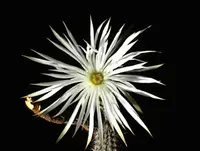
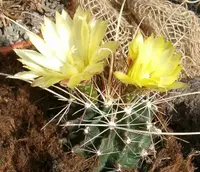
Under suitable conditions, it produces a ring of small, funnel-shaped flowers around the upper part of each stem, usually in late winter to spring. The flowers are typically white to pale pink, forming a neat crown that encircles the growing point.

FAQs about Woburn Cactus

Lack of blooms usually comes from insufficient light, too much water in winter, or no cool rest period. Older, well-lit plants that experience a slightly cooler, drier winter are more likely to flower reliably.

Grow Healthy Plants with Botan Care

Keep your plants happy and healthy with plant identification, disease detection, and easy care guidance.

Botan plant care app — identify plants on mobile

Explore More Plants