Setiechinopsis Care (Setiechinopsis mirabilis)

Setiechinopsis

About Setiechinopsis

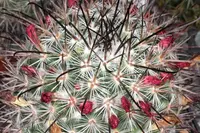
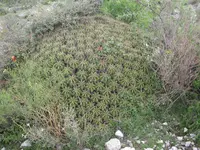
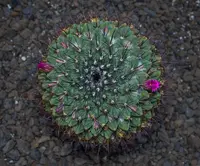
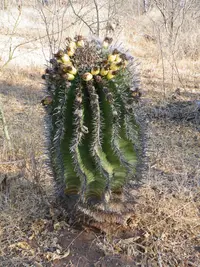
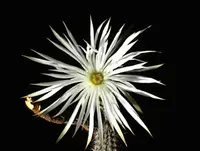
Setiechinopsis mirabilis is a small columnar cactus from arid regions of Argentina. It stays very narrow and produces long, slender stems with small spines. At night, it often opens large, fragrant, tubular flowers that are striking compared with its tiny body. The plant grows slowly and usually stays compact, which makes it suitable for windowsills and small indoor collections. It prefers bright light, low to moderate watering, and very fast-draining, sandy soil. Due to its drought tolerance and simple needs, many growers find it straightforward to care for Setiechinopsis once basic cactus conditions are provided.

Main Plant Requirements

Care Difficulty

Moderate Care

Light Preference

Full Sun

Water Requirements

Low Water

Temperature Preference

Tropical / Frost Sensitive

Hardiness Zone

10–11

Soil Texture

Sandy, Loamy, Rocky

Soil pH

Slightly acidic (6.5–7.0), Neutral (7.0)

Soil Drainage

Well-drained

Fertilization

Minimal (feed rarely)

Get Personalized Care Plan

Scan your plant to receive care tips personalized for your specific plant

Available on iOS and Android

How to Care for the Setiechinopsis

This small night-blooming cactus thrives in bright, indirect sun with short periods of direct light.

  • Provide 4–6 hours of direct morning sun or late-afternoon sun, plus bright shade or filtered light the rest of the day.
  • Tolerates light midday sun in mild climates, but strong summer sun behind glass can scorch stems, causing yellowing or corky patches.
  • In lower light or partial shade, stems elongate and lean; increase exposure gradually over 1–2 weeks, especially in late winter and early spring for stable flower production when growing Setiechinopsis.

Watering should mimic an arid climate with brief soakings and long dry intervals.

  • In spring–summer, water only when the top 3–5 cm of soil are completely dry; then soak thoroughly and let excess drain away fully.
  • Use very fast-draining, gritty soil; persistent moisture around the base, a sour smell, or soft, translucent tissue signals overwatering and possible root rot.
  • In fall–winter, keep almost dry, watering lightly only if the stem wrinkles deeply or shrivels, especially in heated rooms where air is very dry.

This species prefers warm, dry conditions with a cool but not freezing rest period.

  • Aim for 70–85°F (21–29°C) in active growth; short peaks to 90–95°F (32–35°C) are tolerated if soil is dry and air is moving.
  • Protect from frost; growth stops below about 50°F (10°C), and tissue damage can occur near 32°F (0°C), especially in wet soil.
  • For winter dormancy, keep at 45–55°F (7–13°C) if dry, or 55–65°F (13–18°C) if indoors, to reduce rot risk and support future flowering.

This cactus handles typical indoor humidity well, so humidity management is rarely critical.

This species needs a very fast-draining, mineral-rich substrate to prevent root rot.

  • Use a gritty mix such as 50–70% inorganic material (pumice, coarse sand, fine gravel, or perlite) blended with 30–50% cactus potting mix.
  • Aim for slightly acidic to neutral pH, around 6.0–7.0, which suits Setiechinopsis mirabilis roots.
  • Ensure the mix feels loose and crumbly, never compact, so air can move freely around the fine roots.
  • Avoid dense peat-heavy mixes and any soil that stays wet longer than 2–3 days after watering.

This small cactus is well suited to container growing.

  • Choose a pot only slightly wider than the root ball so the narrow taproot is contained without excess wet substrate.
  • Select unglazed terracotta if extra evaporation is needed, or plastic if moisture retention is a concern in very dry climates.
  • Stabilize the container with a layer of coarse gravel at the bottom or around the base if the tall flower stem makes the plant prone to tipping.

This small desert cactus benefits from light feeding but is sensitive to excess salts and rich soils.

  • Use a low-nitrogen balanced cactus fertilizer or diluted 10-10-10 at 1/4–1/2 strength in well-draining mix.
  • Feed Setiechinopsis once every 4–6 weeks during active growth in spring and summer only.
  • Skip compost and heavy organic fertilizers that hold moisture and can cause root rot.
  • Stop feeding in fall and winter when growth slows, keeping the plant on the dry side.

Setiechinopsis mirabilis needs almost no structural pruning, only minor hygiene maintenance.

This cactus prefers to stay slightly root-bound, so repotting is infrequent and should be done carefully.

  • Repot every 3–4 years or when roots circle the pot, drainage slows, or growth declines despite good light.
  • Choose late spring as the best time, when active growth resumes and recovery is faster.
  • Use a pot only 1–2 cm wider with excellent drainage and a gritty cactus mix.
  • Lift gently, keep roots as intact as possible, and avoid watering for 3–5 days after repotting to let any wounds dry.

Propagation of this species is usually done from seed, as it rarely offsets.

  • Sow fresh seeds in late spring to early summer for warm, stable conditions.
  • Use a sterile, fine, gritty cactus mix in shallow trays or small pots.
  • Lightly press seeds onto the surface, barely cover, then keep evenly moist, not wet.
  • Maintain 70–80°F, bright indirect light, and good air movement until seedlings harden.

This cactus is not frost hardy and needs careful winter management, especially in cool climates.

  • Keep indoor temperatures around 50–60°F in winter to maintain safe dormancy.
  • Move container plants indoors before night temps drop near 40°F, giving them bright light.
  • Reduce watering sharply, allowing the mix to dry fully for extended periods.
  • Ensure the pot is away from cold drafts and condensation-prone windowsills to prevent tissue damage.

Care Tips

Night bloom timing

Place the plant where you can observe it in the late evening, since flowers open at night, and avoid moving it or rotating the pot in the week before buds open to reduce bud drop.

Support tall stems

As the thin stem elongates beyond 15–20 cm, add a small, inert support such as a bamboo skewer and tie loosely with soft garden tape to prevent snapping if the pot is bumped.

Controlled offset removal

If side pups appear and crowd the base, remove them with a sterile, thin-bladed knife, let the cut surfaces dry for 3–5 days, then root them in a separate tray of dry, gritty mix to propagate without stressing the mother plant.

Winter light adjustment

During very low-light winters, move the plant to the brightest possible indoor spot or use a small LED grow light on a 10–12 hour schedule to maintain stem firmness and reduce etiolation, which is excessive stretching.

Clean, dry crown

Keep the apical growing point free of stuck flower remnants or debris by gently brushing them off when completely dry, which lowers the risk of fungal spots when caring for Setiechinopsis in small indoor pots.

Common Pests and Diseases

Mealybugs

This pest feeds on cactus stems and are often found in stem ribs or woolly areoles, where they appear as white cottony clusters. Symptoms include stunted growth, yellowing, and sticky honeydew that can attract sooty mold.

Solution

Isolate the plant, then remove visible insects with a cotton swab dipped in 70% isopropyl alcohol and repeat weekly until no new pests appear. Improve air movement, avoid overfertilizing, and for heavier infestations use a labeled insecticidal soap or neem oil, ensuring the stems dry quickly afterward.

Spider mites

These insects prefer the dry, warm conditions often used for growing Setiechinopsis and leave fine webbing between ribs and areoles. Symptoms include dull, grayish or rusty spotting on the stems, and overall loss of vigor.

Solution

Rinse the plant thoroughly with lukewarm water to remove mites and webbing, then allow it to dry in bright, indirect light. Follow up with several applications of insecticidal soap or neem oil at 5–7 day intervals and slightly increase ambient humidity without soaking the potting mix.

Scale insects

This pest appears as small, hard, brown or tan bumps attached firmly to the cactus surface, especially along ridges and areoles. Symptoms include slowed growth, yellowing, and sticky honeydew on the pot or nearby surfaces.

Solution

Gently scrape off individual scales with a soft brush or toothpick and swab remaining spots with 70% isopropyl alcohol. For persistent cases, apply horticultural oil or insecticidal soap according to label directions and monitor new growth regularly as part of ongoing Setiechinopsis mirabilis care.

Fusarium stem rot

This disease is caused by soilborne fungi that invade through wounds or overly wet roots, leading to brown, sunken, or reddish internal tissue in the thin stems. Symptoms include sudden collapse of segments, localized soft or dry rot, and discoloration around the base.

Solution

Remove and discard all affected stems and any obviously contaminated potting mix, then repot into a fresh, highly mineral, fast-draining cactus substrate. Sterilize tools, keep watering light and infrequent, and maintain good airflow and bright light to limit further fungal spread.

Basal corking and rot

This disease begins at the base where moisture lingers around the collar of the plant, leading to brown, corky, or soft tissue that can progress upward. Symptoms include tissue that turns yellow, then brown and sometimes mushy, and the plant may lean or detach from the roots.

Solution

Cut away all affected basal tissue with a sterile blade until only firm, healthy tissue remains, and allow the cut surface to callus in a dry, bright spot for several days. Re-root the healthy upper portion in sterile, very gritty medium, water sparingly until new roots form, and avoid letting water sit around the stem base in the future.

Interesting Facts

Night-scented blooms

The flowers open at night and release a strong, sweet fragrance to attract nocturnal moth pollinators, then usually wilt by the following day.

Extraordinary floral ratio

A mature stem often stays under 2 cm thick yet can produce a single white flower that is several times longer than the whole plant body, creating an extreme flower-to-plant size ratio.

Desert life strategy

In its native arid habitats of Argentina, this cactus grows partially shaded by rocks or shrubs, using their cover to reduce water loss and survive intense sun and temperature swings.

Botan icon

Did you know?

This species is considered one of the smallest columnar cacti, often flowering when only about 5–7 cm tall, which allows it to reproduce successfully even under harsh, resource-poor desert conditions.

FAQs about Setiechinopsis

This species usually flowers at night in warm months. Lack of blooms is often due to plant immaturity, insufficient seasonal temperature contrast, or inadequate rest in cooler, drier winter conditions rather than a care mistake.

Grow Healthy Plants with Botan Care

Keep your plants happy and healthy with plant identification, disease detection, and easy care guidance.

Botan plant care app — identify plants on mobile

Explore More Plants