Mammillaria rekoi Care

Mammillaria rekoi

About Mammillaria rekoi

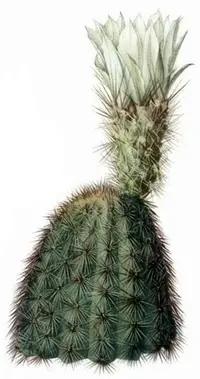
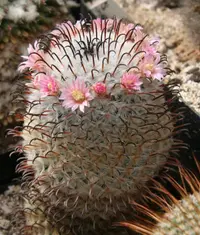
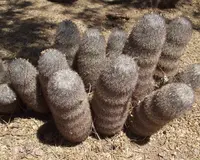
Mammillaria rekoi is a small, clustering cactus known for its dense covering of fine spines that give each stem a soft, fuzzy look. Rounded stems form tight clumps over time, often producing a padded mound. Native to arid regions of Mexico, it is adapted to strong sun, sharp drainage, and long dry periods between rains. It usually bears a ring of small, colorful flowers near the top of each stem, adding ornamental interest. This species is generally considered easy to grow for anyone who wants to care for Mammillaria rekoi, as long as it receives plenty of light, minimal moisture, and gritty, well-draining soil.

Main Plant Requirements

Care Difficulty

Easy Care

Light Preference

Full Sun

Water Requirements

Low Water

Temperature Preference

Tropical / Frost Sensitive

Hardiness Zone

10–11

Soil Texture

Sandy, Rocky, Loamy

Soil pH

Acidic (5.5–6.5), Slightly acidic (6.5–7.0)

Soil Drainage

Well-drained

Fertilization

Minimal (feed rarely)

Get Personalized Care Plan

Scan your plant to receive care tips personalized for your specific plant

Available on iOS and Android

How to Care for the Mammillaria rekoi

This cactus prefers bright, direct light but needs some protection from extreme midday sun.

  • Provide 4–6 hours of direct morning sun plus bright indirect light for the rest of the day, outdoors or in a very bright window.
  • Tolerates light afternoon sun in cooler climates, but in hot, dry regions use filtered light or light shade from 12–3 pm to prevent scorching.
  • If stems elongate or lean strongly toward the window, light is insufficient; gradually increase exposure over 7–10 days to avoid sunburn on Mammillaria rekoi.

Watering should mimic dry-desert conditions with brief, thorough soakings and long dry periods.

  • From spring to early fall, water only when the top 3–5 cm of soil are completely dry; then soak deeply and let all excess drain away.
  • In winter rest, water lightly every 4–6 weeks or when the plant just begins to wrinkle, keeping the root zone mostly dry to prevent rot.
  • Use very fast-draining, gritty soil; signs of overwatering include yellowing, soft or translucent tissue, while severe wrinkling and loose roots suggest underwatering in Mammillaria rekoi care.

This species prefers warm, dry conditions and is sensitive to hard frost.

  • Aim for 70–85°F (21–29°C) during active growth, with good air movement to reduce fungal issues and heat stress.
  • Protect from cold below 40°F (4°C); short dips to 32°F (0°C) may be survived if perfectly dry, but repeated frost damages tissue.
  • In winter, a cool, dry rest at 50–60°F (10–16°C) supports strong flowering, while in heat above 95°F (35°C) provide light shade and avoid overhead watering on hot afternoons.

This cactus handles typical indoor humidity well and seldom needs special adjustments.

  • Aim for 30–50% humidity, as very high moisture in the air promotes rot, especially in cool conditions.
  • Dry household air is usually tolerated, but prolonged exposure to hot, dry drafts can cause shriveling stems.
  • If air is extremely dry and hot, increase humidity slightly by grouping plants together instead of misting, which raises disease risk.

Use a very fast-draining, mineral-rich mix to keep roots of this cactus dry between waterings.

  • Choose a gritty, sandy mix with a loose, open structure so water drains in seconds, not minutes, after watering.
  • Combine roughly 30% cactus potting mix with 70% mineral material such as pumice, coarse sand, and small lava rock pieces for Mammillaria rekoi.
  • Keep pH slightly acidic to neutral, around 6.0–7.0, avoiding lime-heavy mixes that can lock up nutrients over time.
  • Avoid dense, peat-heavy or clay-based soils that stay wet, since they reduce aeration and sharply increase root-rot risk.

This species is very suitable for container growing due to its compact, clustering habit.

  • Select a wide, shallow pot to accommodate offsets while preventing deep, wet zones that stay saturated around the roots.
  • Use unglazed clay containers when possible, as the porous walls help moisture evaporate faster after watering.
  • Place heavy mineral top-dressing around the base of the plant to stabilize clusters and reduce direct contact between stems and wet soil.

This small cactus benefits from light feeding but grows acceptably in lean, well-drained soil.

  • Use a balanced cactus fertilizer (low NPK, such as 5-5-5) diluted to 25–50% strength.
  • Feed Mammillaria rekoi every 4–6 weeks during spring–summer active growth.
  • Avoid compost or rich organic feeds that hold excess moisture around roots.
  • Stop fertilizing in fall and winter to allow a dry, cool rest period.

Pruning needs are minimal and mainly focused on hygiene and monitoring plant health.

  • Carry out any pruning in late spring or early summer when growth is active.
  • Remove only dead, diseased, or shriveled stems using clean, sharp scissors or small pruners.
  • Trim spent flowers or dried fruit if they attract pests or mold.
  • Avoid shaping cuts, as removing healthy stems can slow growth and reduce future flowering.

This species grows slowly and prefers infrequent repotting in a stable, gritty substrate.

  • Repot every 3–4 years, or when roots circle the pot or growth noticeably slows.
  • Choose late spring as the best time, using a shallow container with drainage and a cactus mix with extra mineral grit.
  • Unpot gently, shake off loose soil, and trim only dead roots, then allow roots to dry 1–2 days before replanting.
  • After repotting Mammillaria rekoi, keep the mix almost dry for 7–10 days to limit root stress and rot risk.

This cactus is commonly propagated by offsets and seeds under warm, bright conditions.

  • Detach offsets in late spring–summer, letting cut surfaces callus for several days before planting in dry, gritty mix.
  • Keep newly potted offsets slightly warm (70–80°F) with bright, indirect light until roots form.
  • For seed, sow on the surface of sterile cactus mix and mist lightly, maintaining 70–80°F and gentle airflow.
  • Reduce moisture once seedlings or offsets show firm anchoring and new growth.

Cool, dry winter rest is important for healthy growth and flowering in the following season.

  • Keep temperatures around 45–55°F; brief light frost down to about 28–30°F may be tolerated if soil stays dry.
  • For containers, use an unheated but frost-free, bright location such as a cold greenhouse or cool windowsill.
  • Withhold watering almost completely in winter to prevent root rot in cold soil.
  • In very cold climates, grow Mammillaria rekoi in pots and move indoors before hard freezes.

Care Tips

Encourage Clumping

Use a slightly wider, shallow pot and avoid frequent repotting so offsets can form a dense cluster that stabilizes the plant and protects the base from excess moisture exposure.


Safe Debris Removal

Periodically use long tweezers or tongs to remove dead flowers and dried tissue from between the tubercles to reduce rot risk and discourage mealybugs from hiding in the plant body.

Targeted Pest Checks

Inspect the woolly areoles and the plant base with a magnifying glass every few weeks, since mealybugs and spider mites often hide in these areas and are easier to control when detected early.

Controlled Winter Rest

In cooler months, keep the plant in a bright, airy spot and maintain it almost dry to support a natural dormancy cycle that improves flowering and long-term vigor when growing Mammillaria rekoi.

Careful Handling Tools

When moving or repotting, use folded newspaper strips or a foam block to gently grip the stem so spines are not broken and the plant body is not bruised, which lowers the chance of infection at damaged areoles.

Common Pests and Diseases

Mealybugs

This pest often hides in the woolly areoles and between clustered stems, feeding on sap and weakening the cactus over time. Symptoms include white cottony masses, slowed growth, and sticky honeydew that can attract sooty mold.

Solution

Isolate the plant, then dab visible insects with cotton swabs dipped in 70% isopropyl alcohol, taking care to reach into woolly areas and between offsets. For larger infestations, use a systemic insecticide labeled for cacti or a repeat application of insecticidal soap, and improve light and air movement to support recovery when caring for Mammillaria rekoi.

Spider mites

These insects prefer hot, dry, stagnant conditions and can colonize the ribs and areoles, causing tiny pale speckles and a dull, dusty appearance. Fine webbing may be visible around the spines and between stems in severe cases.

Solution

Rinse the plant gently but thoroughly with lukewarm water to remove mites and webbing, keeping the crown as dry as possible afterward. Increase air circulation, avoid extreme dryness combined with heat, and use a miticide or insecticidal soap labeled for spider mites with repeat treatments as directed.

Scale insects

This pest appears as small, hard, brown or gray bumps on stems and at the plant base, where it sucks sap and can cause yellowing and stunted growth. These insects often lodge in tight crevices and can be mistaken for corking or natural rough patches.

Solution

Scrape or pry off individual scales gently with a toothpick or soft brush, then wipe affected areas with 70% isopropyl alcohol to remove residues. For persistent populations, apply a systemic insecticide suitable for succulents and monitor new growth closely, discarding heavily infested offsets if necessary.

Corky scab

This disease causes rough, brown, cork-like patches on the lower stems, often where water has sat on the skin or where minor injuries occurred. Symptoms include hardened, dry lesions that do not feel soft or mushy but can spread slowly along the surface.

Solution

Remove any environmental cause such as frequent overhead watering, prolonged surface moisture, or abrasion against pots or stones. Keep the plant in bright, airy conditions, water only at the soil level, and allow the substrate to dry well between waterings; affected areas do not heal cosmetically but progression can usually be stopped.

Fungal stem rot

This disease typically starts at a wound, old flower or fruit scar, or at the stem base, leading to soft, discolored, and sometimes foul-smelling tissue. Symptoms include rapid collapse of segments, dark or wet-looking spots, and possible spreading through clustered offsets.

Solution

Cut away all affected tissue with a sterile blade until only firm, healthy tissue remains, dusting cuts with sulfur or a fungicidal powder. Allow the plant or salvaged offsets to dry and callus fully in a dry, bright spot before replanting in a very well-draining mineral substrate, and adjust watering to avoid moisture sitting around the base.

Interesting Facts

Endemic Mexican cactus

This species is naturally restricted to mountainous regions of central Mexico, especially Hidalgo, Puebla, and Veracruz, where it grows on rocky slopes and limestone outcrops at relatively high elevations.

Distinctive hooked spines

Its tubercles carry reddish to brown central spines that are hooked at the tips, an adaptation that may help shade the stem surface and slightly reduce herbivory by making the plant harder to bite or dislodge.

Ring of lilac flowers

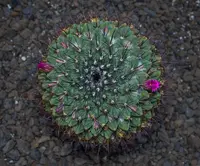
Mature plants often produce a circular crown of small lilac to pink flowers near the top of the stem in late winter or spring, a typical pattern for this genus but with a particularly soft color contrast against its pale green body.

Botan icon

Did you know?

The species was described relatively recently, in the mid 20th century, and horticulturists now recognize several subspecies and local forms, reflecting its notable morphological variation across a relatively limited native range.

FAQs about Mammillaria rekoi

This species usually blooms in spring to early summer, producing small funnel-shaped flowers in rings near the stem top. Colors are typically pink to magenta, sometimes with paler centers, and individual blooms last several days.

Grow Healthy Plants with Botan Care

Keep your plants happy and healthy with plant identification, disease detection, and easy care guidance.

Botan plant care app — identify plants on mobile

Explore More Plants