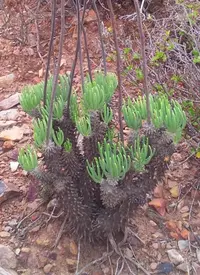
rat-tail nipple cactus Care (Mammillaria pottsii)

Also known as: Pott's Nipple-cactus
rat-tail nipple cactus

About rat-tail nipple cactus

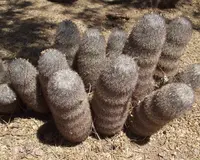
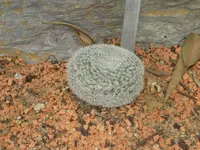
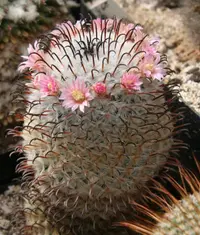
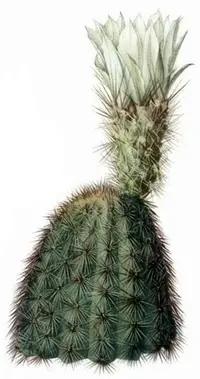
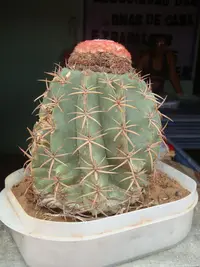
Mammillaria pottsii, often called rat-tail nipple cactus, is a small desert cactus with slender, upright to arching stems covered in short, bristly spines. Mature plants form tight clumps that slowly expand, creating a dense cushion-like mound. In season, it may produce small, funnel-shaped flowers in a ring near the stem tips. This species is native to arid regions of northern Mexico and the southwestern United States, where it grows in rocky, well-drained soils. It is generally easy to grow for those who provide strong light, low to moderate watering, and gritty soil, and who learn how to care for rat-tail nipple cactus with attention to avoiding overwatering.


Main Plant Requirements

Care Difficulty

Easy Care

Light Preference

Full Sun

Water Requirements

Low Water

Temperature Preference

Warm Climate

Hardiness Zone

9–11

Soil Texture

Sandy, Loamy, Rocky

Soil pH

Slightly acidic (6.5–7.0), Neutral (7.0)

Soil Drainage

Well-drained

Fertilization

Minimal (feed rarely)

Get Personalized Care Plan

Scan your plant to receive care tips personalized for your specific plant

Available on iOS and Android

How to Care for the rat-tail nipple cactus

Mammillaria pottsii prefers bright, direct light typical of many desert cacti.

  • Provide 4–6 hours of direct morning sun plus bright light the rest of the day; in very hot regions, give light afternoon shade to prevent scorching.
  • Outdoors, place in an open south- or east-facing position; indoors, use the sunniest south window with no heavy curtains for reliable rat-tail nipple cactus indoor care.
  • If growth stretches or turns pale, light is too low; if stems yellow or develop dry brown patches, reduce midday summer sun exposure.

Watering for Mammillaria pottsii should mimic brief desert rains followed by dry periods.

  • Allow the top 3–5 cm of soil to dry completely before watering; in warm active growth this may mean every 10–21 days, depending on pot size, soil, and climate.
  • In winter dormancy, water only once the mix is fully dry and then very lightly, often every 4–6 weeks in cool conditions, to prevent root rot.
  • Watch for wrinkles and slight softness as early thirst signs, and for persistent wet soil, yellowing, or a sour smell as signs of overwatering and poor drainage.

This cactus thrives in warm, dry conditions with a noticeable cool, dry rest period.

  • Aim for 70–85°F (21–29°C) in spring and summer for best growth, with plenty of air movement to prevent heat buildup around the stems.
  • Mammillaria pottsii tolerates brief drops to 25–30°F (-4 to -1°C) if kept bone dry, but repeated or wet freezes damage tissue and roots.
  • In winter, a cool rest at 45–55°F (7–13°C) encourages flowering, while summer heat above 95°F (35°C) is tolerated if there is strong light, low humidity, and no waterlogged soil.

This cactus prefers dry air and usually thrives in typical indoor humidity without adjustment.

  • Aim for 30–50% humidity, similar to most heated or air-conditioned homes, for stable growth.
  • Rat-tail nipple cactus tolerates very dry air; issues usually arise only if humidity stays above 70% with poor air movement.
  • Watch for soft, water-soaked stems or corky patches as signs of excess humidity, and improve airflow with a small fan if needed.

Use a very fast-draining, mineral-rich mix to prevent root rot in Mammillaria pottsii.

  • Combine roughly 30% cactus potting mix with 70% mineral material such as pumice, coarse sand, and small gravel for a gritty structure.
  • Ensure water drains through the pot within seconds, leaving no soggy, compacted patches that can suffocate roots.
  • Keep pH slightly acidic to neutral, around 6.0–7.0, which most commercial cactus mixes already provide.
  • Avoid peat-heavy, moisture-retentive, or clay-based substrates; add extra pumice or perlite to any mix that feels dense or stays wet longer than 2–3 days.

This species is well suited to container growing, including small pots and dish gardens.

  • Choose a wide, shallow pot that matches its spreading habit so roots fill the container without deep, unused wet zones.
  • Select unglazed terracotta if extra evaporation is needed, as it helps the mix dry faster between waterings.
  • Use a pot with multiple drainage holes and raise it slightly on pot feet so excess water leaves the container quickly.

Mammillaria pottsii benefits from light feeding during active growth but remains sensitive to excess nutrients.

  • Use a diluted balanced liquid fertilizer (for example 10-10-10) at 1/4–1/2 strength formulated for cacti and succulents.
  • Apply every 4–6 weeks in spring and summer when growth is visible, then stop feeding in fall.
  • Avoid compost-rich mixes; salts from organic fertilizers can accumulate around fine roots.
  • For caring for rat-tail nipple cactus, flush the pot with plain water once or twice a season to reduce fertilizer buildup.

Mammillaria pottsii needs minimal pruning, mainly to maintain health and remove damaged tissue.

  • Best timing is late spring to summer when the plant is actively growing and wounds seal faster.
  • Use clean, sharp scissors or a sterile knife to remove dead, diseased, or rotting stems at the base.
  • Thin out badly crowded offsets only if they trap moisture and increase rot risk, keeping the natural clumping habit.
  • Allow cut surfaces to dry and callus before watering to limit infection by fungi and bacteria.

This small cactus grows slowly and only needs infrequent repotting in a well-drained mineral mix.

  • Check for roots circling the drainage holes, a pot that dries almost immediately, or stalled growth as repotting signs.
  • Plan to repot Mammillaria pottsii every 3–4 years in late spring, just before steady warm weather.
  • Use a shallow pot with a gritty cactus mix, handle the root ball gently, and knock off only loose soil.
  • After repotting, keep the plant dry for 5–7 days, then resume light watering to reduce root stress and rot risk.

Mammillaria pottsii is commonly propagated from offsets and seeds under warm, bright conditions.

  • Detach firm, healthy offsets in late spring or early summer using a sterile knife if needed.
  • Allow cut surfaces to dry and callus for several days in shade before placing on slightly moist cactus mix.
  • Keep offsets in bright, indirect light at 70–80°F and barely moist soil until new roots form.
  • For seeds, sow on the surface of sterile, gritty mix, maintain 70–75°F, and keep lightly covered and evenly moist.

This cactus prefers cool, dry winter rest and is not tolerant of prolonged freezing.

  • Maintain winter temperatures around 45–55°F with very bright light and almost completely dry soil.
  • Bring container plants indoors or into an unheated bright room before temperatures drop below 32°F.
  • Keep stems dry by avoiding overhead watering; cool, damp conditions increase rot risk.
  • In mild climates, use a rain shelter or cold frame and ensure the root zone stays sharply drained rather than mulched.

Care Tips

Root-zone inspection

Lift the pot and gently slide the root ball out once or twice a year to check for circling roots, dry pockets, or soil collapse, then repot slightly deeper and refresh the mix if the plant has become top-heavy or the roots are densely matted.

Controlled offset removal

When pups are at least 1–1.5 in wide and show their own root primordia, twist them off with gloved hands, let the wound dry for 5–7 days, then root them in a dry, gritty mix to both propagate and reduce overcrowding on the mother plant.

Targeted spring cleanup

At the start of active growth, use long tweezers to remove dead flowers, dried fruit, and shriveled tubercles from between spines to improve airflow and reduce hiding places for mealybugs and scale insects.

Preventive pest monitoring

Every 2–3 weeks, inspect the plant at tubercle bases and around the stem crown with a magnifier, and at the first sign of cottony or armored pests, isolate the plant and spot-treat with isopropyl alcohol on a cotton swab before populations build up.

Cold-dry overwintering

For more reliable flowering and compact growth, give the plant a winter rest at 45–55°F with almost no water, then gradually increase watering and light intensity over 2–3 weeks in spring to avoid stress when growing rat-tail nipple cactus.

Common Pests and Diseases

Mealybugs

This pest often settles between tubercles and around the areoles, where the woolly tissue hides small white cottony masses. Symptoms include slowed growth, yellowing, and sticky honeydew on the skin or nearby surfaces.

Solution

Isolate the plant, then dab visible insects with cotton swabs dipped in 70% isopropyl alcohol, repeating weekly until no new clusters appear. Improve light and air movement, and, if the infestation is more extensive, use a labeled systemic insecticide for cacti according to Mammillaria pottsii plant care guidelines.

Spider mites

These insects prefer hot, dry, stagnant air and can cause fine speckling, dull patches, and very fine webbing on the stems. Symptoms include loss of the natural green or blue-green color and a rough, dusty appearance.

Solution

Rinse the cactus gently with a firm but not damaging stream of water to remove mites and webbing, keeping the soil covered during washing. Increase airflow, avoid extremely dry heated indoor air, and apply a horticultural oil or miticide labeled for cacti, making sure the plant dries quickly afterward.

Scale insects

This pest appears as small, hard, brown or gray bumps on ribs, tubercles, or near the base of spines that do not brush off easily. Symptoms include localized yellowing, shriveling, and sticky honeydew that can support sooty mold growth.

Solution

Manually remove scales with a soft brush or cotton swab dipped in 70% isopropyl alcohol, inspecting especially under the cactus body and in crevices. For persistent populations, use a systemic insecticide drench formulated for succulents and limit excess nitrogen fertilization, which encourages soft, more vulnerable tissue.

Corky stem spot (fungal lesions)

This disease produces small sunken or slightly raised tan to brown spots on the stem that may become corky and rough. Symptoms include localized discoloration that can slowly expand under conditions of high humidity or frequent wetting of the stem.

Solution

Cut out small, well-defined lesions with a sterile knife if practical, keeping cuts shallow, then allow the wound to dry and callus fully in bright, dry conditions. Reduce overhead watering, improve air circulation, and if new spots continue to appear, treat with a copper-based fungicide suitable for cacti, following label rates and allowing the plant to dry between applications.

Bacterial soft rot

This disease starts with a soft, water-soaked area on the stem that quickly turns brown, foul-smelling, and mushy, often beginning where water collects or previous wounds occurred. Symptoms include rapid collapse of affected tissue and a sour or rotten odor.

Solution

Immediately remove and discard all mushy tissue with sterile tools, cutting back into firm, healthy stem and allowing the remaining part to dry in a warm, very airy place until fully callused. If rot has reached the base, salvage only firm, uninfected segments for re-rooting, and in the future keep water off the stem, use a very free-draining mineral mix, and avoid crowding that traps moisture around the plant.}]}```ুণ**assistant വാങ്ങ to=assistantยายน_OUTPUT_JSON_SCHEMA 人工计划json_schema मिनट to=assistant to=assistant=json_schema _bundle ## Test Output Reasoning The assistant provided a JSON object with a field

Interesting Facts

Spine wool formation

Older stems develop a noticeable woolly covering where the spines emerge, especially around the crown, which helps shade the plant body and reduce water loss in its native arid habitats of northern Mexico and the southwestern United States.

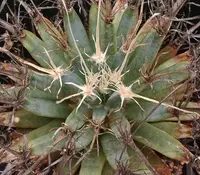
Hooked central spines

The central spines of this species are often distinctly hooked at the tips, which can help anchor the plant slightly in its rocky habitat and also offers extra protection against herbivores.

Small tubular flowers

It produces small, pale yellow to greenish or cream tubular flowers that usually form a loose ring near the top of the stem, a typical flowering pattern in many Mammillaria but with a color range characteristic for this species.

FAQs about rat-tail nipple cactus

Lack of flowers often results from insufficient light, no cool dry rest in winter, or excess nitrogen fertilizer. Provide strong light, a slight winter temperature drop, and lean feeding to encourage buds and regular spring–summer blooming.

Grow Healthy Plants with Botan Care

Keep your plants happy and healthy with plant identification, disease detection, and easy care guidance.

Botan plant care app — identify plants on mobile

Explore More Plants