Heavy pot choice
Use a wide, heavy clay or ceramic pot with a drainage hole to counterbalance the plant’s dense spines and top weight so it does not tip over as it matures.

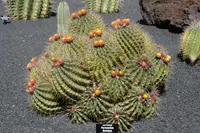
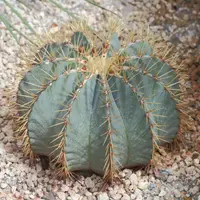
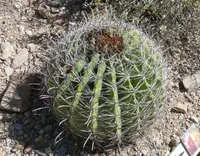
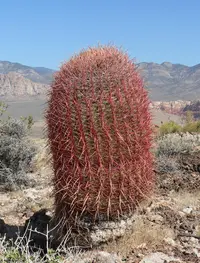
Emory's barrel cactus, Ferocactus echidne, is a slow-growing desert cactus known for its rounded, ribbed body and heavy, hooked spines. Mature plants can form large, solitary barrels that stand out as strong architectural accents in containers or dry gardens.
This species is native to arid regions of Mexico, where it endures intense sun, rocky soils, and limited rainfall. Its thick skin and fleshy tissues store water, which makes it highly drought-tolerant but sensitive to overwatering.
For those who want to care for Emory's barrel cactus, success depends on strong light, very fast-draining, gritty soil, and careful watering that allows the root zone to dry between waterings.

Care Difficulty
Easy Care

Light Preference
Full Sun

Water Requirements
Low Water

Temperature Preference
Tropical / Frost Sensitive

Hardiness Zone
10–11

Soil Texture
Sandy, Loamy, Rocky

Soil pH
Slightly acidic (6.5–7.0), Neutral (7.0)

Soil Drainage
Well-drained

Fertilization
Minimal (feed rarely)
Scan your plant to receive care tips personalized for your specific plant
Available on iOS and Android
This cactus prefers strong sun but benefits from gradual light adjustment to avoid burn.
Watering Ferocactus echidne focuses on deep, infrequent soakings and thorough drying between them.
This species thrives in warm, arid conditions with a pronounced cool, dry rest period.
This cactus prefers dry air and does not need added humidity indoors.
This species needs very fast-draining, mineral-rich soil to prevent root and stem rot.
This cactus is well suited to container growing when the pot is chosen to manage drainage and stability.
This desert cactus benefits from light, controlled feeding during the warm growing season.
Ferocactus echidne needs almost no pruning beyond basic health maintenance.
This slow-growing barrel cactus needs infrequent repotting and dislikes frequent disturbance.
Propagation of this species is usually done from seed and is relatively slow.
This cactus prefers cool, very dry winter conditions and is only mildly frost tolerant.

Plant Health Check
Not sure what's wrong with your plant? Check your plant's health inside the app.
The species name echidne refers to the monster Echidna from Greek mythology, alluding to the plant’s dense, fearsome spines that form a protective cage around the stem.
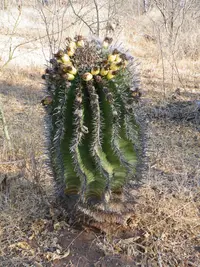
This cactus develops a stout, cylindrical stem with strongly marked ribs and pronounced tubercles on the ribs, giving the surface a segmented, almost armored appearance compared with many smoother barrel cacti.
Mature plants produce bright yellow, funnel-shaped flowers near the stem apex, often with a contrasting darker throat, followed by small, dry fruits that release seeds for dispersal in their native Mexican habitats.

In parts of central Mexico, the dried fruits of this species have been reported as being used locally as small rattles, taking advantage of the loose seeds inside the tough fruit shell to create a natural percussion sound.
Lack of blooms usually comes from insufficient light, a pot that is too small, or the plant being too young. Many individuals need several years and strong summer sun plus a cool, dry winter rest before flowering reliably.
Keep your plants happy and healthy with plant identification, disease detection, and easy care guidance.