Aeonium decorum Care

Aeonium decorum

About Aeonium decorum

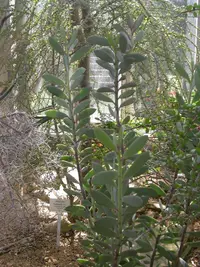
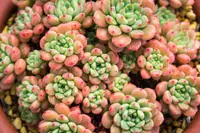
Aeonium decorum is a compact succulent shrub in the stonecrop family, valued for its rosettes of fleshy, spoon-shaped leaves. The foliage often shows fine markings or red edges, giving the plant a detailed, patterned look. Over time, it forms branching stems with many small rosettes, creating a low, mounded structure.

This species is native to the Canary Islands, where it grows in sunny, dry, rocky habitats. Its drought tolerance and slow growth rate make it relatively low-maintenance indoors and in mild outdoor climates. It prefers bright light, well-draining soil, and light, infrequent watering, so understanding how to care for Aeonium decorum is mainly about avoiding excess moisture.

Main Plant Requirements

Care Difficulty

Moderate Care

Light Preference

Full Sun

Water Requirements

Low Water

Temperature Preference

Tropical / Frost Sensitive

Hardiness Zone

9–11

Soil Texture

Sandy, Loamy, Rocky

Soil pH

Slightly acidic (6.5–7.0), Neutral (7.0)

Soil Drainage

Well-drained

Fertilization

Minimal (feed rarely)

Get Personalized Care Plan

Scan your plant to receive care tips personalized for your specific plant

Available on iOS and Android

How to Care for the Aeonium decorum

This succulent needs bright light and some direct sun to keep compact rosettes and strong color.

  • Provide 4–6 hours of direct morning sun with bright, filtered light the rest of the day, especially in mild coastal or Mediterranean climates.
  • In hotter inland areas, give Aeonium decorum early sun and afternoon shade or dappled light to prevent leaf scorch and faded color.
  • In winter, when days are shorter, place it in the brightest spot available; in summer dormancy, protect from intense midday sun.

This species prefers infrequent, deep watering with time for the soil to dry between waterings.

  • Water only when the top 3–5 cm of soil are completely dry, then soak thoroughly so water exits the drainage holes or drains through the bed.
  • Reduce watering during summer dormancy, watching for slightly soft or wrinkling leaves as a cue to water Aeonium decorum, and increase slightly in cool, active growth seasons.
  • Use fast-draining, gritty soil; yellowing, mushy leaves or a collapsing stem indicate overwatering, while crisp, shriveled leaves signal prolonged drought.

This succulent favors mild, frost-free conditions and struggles in temperature extremes.

  • Aim for active growth temperatures around 60–75°F (16–24°C), which support steady leaf and rosette development.
  • Protect the plant from frost; brief drops to 32°F (0°C) may damage leaves, and exposure below 28°F (-2°C) can kill stems and roots.
  • In hot spells above 90°F (32°C), provide afternoon shade and airflow; growth slows, so reduce watering slightly while still preventing complete soil desiccation.

This succulent tolerates typical indoor humidity and rarely needs special adjustment.

  • Aim for 30–50% humidity; drier air is usually acceptable if watering is appropriate.
  • Watch for soft, mushy leaves as a sign of excess humidity combined with poor air movement.
  • Increase airflow rather than humidity if foliage stays damp, to prevent rot on Aeonium decorum.

Aeonium decorum prefers a very free-draining, mineral-rich mix that dries quickly after watering.

  • Use a gritty blend such as 50–70% inorganic material (pumice, coarse sand, or perlite) with 30–50% cactus potting mix.
  • Ensure water runs through the pot within seconds; soil should not stay wet or heavy after watering.
  • Keep pH slightly acidic to neutral, around 6.0–7.0, which suits most commercial cactus mixes.
  • Avoid peat-heavy, compacted, or moisture-retentive mixes that stay soggy and reduce oxygen around the roots.

This species is well suited to container growing when drainage and stability are managed carefully.

  • Choose a wide, shallow pot that matches the relatively fibrous, surface-focused root system and prevents rocking in wind.
  • Select unglazed terracotta if extra evaporation is needed in cool or humid climates to keep the mix drying fast.
  • Place the container where excess water can drain away freely so that saucers or cachepots do not trap runoff under the root zone.

This succulent stays compact and healthy with light, targeted feeding during its active season.

  • Apply a diluted balanced liquid fertilizer (around 10-10-10 or 20-20-20 at 1/4 strength) every 4–6 weeks in spring and early summer.
  • Use a low-salt cactus or succulent formula, or a thin layer of mature compost on outdoor plants in very poor soil.
  • Stop feeding Aeonium decorum in peak summer dormancy and winter to prevent weak, stretched growth.
  • Always water lightly before fertilizing container plants to reduce root burn and salt buildup.

Pruning helps maintain a neat outline and removes weak growth on this small shrubby succulent.

  • Carry out light pruning in late winter or early spring, just before strong new growth starts.
  • Remove dead, shriveled, or damaged rosettes and any leggy stems that spoil the shape.
  • Thin crowded branches to improve airflow and light penetration into the center of the plant.
  • Use clean, sharp scissors or bypass pruners and allow cut surfaces on Aeonium decorum stems to dry and callus.

Container-grown plants benefit from occasional repotting to refresh the soil and manage size.

  • Look for roots circling the pot, emerging from drainage holes, or noticeably slower growth as cues to repot.
  • Plan to move Aeonium decorum into a slightly larger container every 2–3 years in late winter or early spring.
  • Use a fast-draining cactus mix, handling roots gently and trimming only clearly rotten or broken sections.
  • Water lightly after repotting, then allow the mix to dry almost fully to limit root stress and rot risk.

New plants are most often raised from stem cuttings taken during the active growing season.

  • Take firm, healthy stem cuttings with a full rosette in late winter or spring, when growth resumes.
  • Let cut ends dry and callus for several days before placing in a gritty, barely moist cactus mix.
  • Provide bright, indirect light, warm temperatures around 70–75°F, and good airflow to support rooting.
  • Seeds can be sown on the surface of well-draining soil, but vegetative propagation is preferred for Aeonium decorum.

Cool, frost-free conditions suit this species, but freezing temperatures can damage foliage and stems.

  • Treat Aeonium decorum as frost-sensitive; aim to keep temperatures above 35–40°F.
  • Move containers indoors or into a bright, cool greenhouse before the first hard frost.
  • Water sparingly in winter, keeping the soil almost dry while still preventing complete desiccation.
  • In mild outdoor climates, use a thin gravel mulch to keep the crown dry and reduce cold, wet stress.

Care Tips

Rotate For Symmetry

Turn the pot 90° every 2–3 weeks so rosettes receive even light and develop a balanced, compact shape instead of leaning hard to one side.

Controlled Winter Growth

During the cool active season, give the plant a slightly brighter, cooler spot and avoid moving it frequently so buds and new rosettes form without stress or drop.

Summer Rest Management

In hot midsummer, allow a mild rest period by reducing water and avoiding repotting or heavy disturbance, as the plant is semi-dormant and more prone to rot and shock.

Cluster Rejuvenation

Every 2–3 years, thin out a few of the oldest, bare-stemmed rosettes and re-root their healthy heads as cuttings to keep the main clump dense and youthful when growing Aeonium decorum.

Pest Check Under Rosettes

Inspect the undersides of rosettes and tight leaf bases every few weeks for mealybugs or scale, and isolate and treat early with a cotton swab and alcohol before an infestation spreads through the cluster.

Common Pests and Diseases

Aloe mite

This pest causes distorted, swollen, or bumpy growth on rosettes and stems, sometimes forming wart-like galls. Symptoms include tight clusters of deformed leaves that do not open normally.

Solution

Remove and discard all visibly deformed or gall-like tissue with sterile tools, cutting back into healthy growth, and dispose of removed parts in the trash. Isolate the plant, avoid overhead watering that can spread mites, and if new galls appear treat remaining tissue with a targeted miticide labeled for eriophyid mites, following label directions exactly.

Aeonium leaf miner

This pest creates pale, winding trails inside the leaf blades of Aeonium, often leading to thin, blistered areas that eventually dry out. Symptoms include discolored tunnels and small entry or exit holes on otherwise firm leaves.

Solution

Remove and discard affected leaves to physically reduce larvae and prevent completion of their life cycle. Keep the plant outdoors in bright, airy conditions when possible, use yellow sticky traps to monitor adult flies, and if damage continues apply a systemic insecticide or neem oil drench that reaches larvae inside the leaves.

Soft scale

These insects appear as small, dome-shaped, tan to brown bumps on stems and leaf bases, often where rosettes attach to the woody framework. This pest excretes sticky honeydew that can attract sooty mold and ants around the plant.

Solution

Wipe or gently scrape off visible scales with a cotton swab dipped in isopropyl alcohol, then wash the plant with a mild soapy water solution and rinse well. Improve air movement around the plant, control ants, and repeat alcohol spot-treatments weekly; for heavy infestations use a systemic insecticide suitable for succulents according to label instructions.

Mealybugs

These insects form cottony white clusters in leaf axils, between tightly packed leaves, and along stems, causing yellowing, stunting, and sticky honeydew. This pest is common on rosette succulents kept in warm, sheltered conditions with limited airflow.

Solution

Inspect rosettes closely and remove visible mealybugs with a cotton swab dipped in 70% isopropyl alcohol, then spray hidden crevices and the stem framework with alcohol or insecticidal soap and rinse after a few minutes. Isolate the plant, avoid overfertilizing, and repeat inspections weekly until no new insects appear; for persistent issues use a systemic insecticide labeled for mealybugs on ornamentals.

Botrytis blight

This disease causes soft, water-soaked spots on leaves and stems that quickly develop gray, fuzzy mold, particularly in cool, damp weather. Symptoms include collapsing rosettes on sections that stayed wet or overcrowded for long periods.

Solution

Remove and discard all affected leaves and stems immediately, cutting well into healthy tissue and avoiding contact with other plants, then improve airflow and reduce overhead watering so foliage dries quickly. Keep the plant in a brighter, drier position, space pots apart, and if conditions remain cool and humid apply a sulfur or copper-based fungicide suitable for ornamentals as a preventive measure.

Interesting Facts

Endemic Canary Island rosette

This species is naturally restricted to the Canary Islands, where it forms small, branching shrubs with flat, spoon-shaped leaf rosettes adapted to the mild, oceanic climate.

Seasonally shifting colors

Its leaves often shift from green to reddish or bronze tones under higher light and seasonal dryness, due to increased production of protective pigments such as anthocyanins.

Winter-growing succulent

Unlike many succulents that grow in summer, this plant does most of its active growth in the cooler, moist winter months of its native habitat and slows or partially rests during the hot, dry season.

Botan icon

Did you know?

In the wild, this species often grows on rocky slopes and cliff faces, anchoring in very shallow crevices where its fibrous roots can access brief pulses of moisture that many other plants cannot exploit.

FAQs about Aeonium decorum

Yellowing leaves usually come from natural aging, excess water, poor drainage, or sudden light changes. Check that the pot drains freely, let the soil dry between waterings, and remove only the oldest, lowest leaves if they yellow first.

Grow Healthy Plants with Botan Care

Keep your plants happy and healthy with plant identification, disease detection, and easy care guidance.

Botan plant care app — identify plants on mobile

Explore More Plants