Burk's southern pitcher plant Care (Sarracenia rosea)

Also known as: Gulf Purple Pitcher Plant, purple pitcherplant, Rose Pitcher Plant
Burk's southern pitcher plant

About Burk's southern pitcher plant

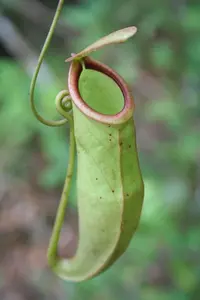
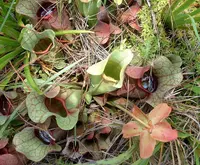
Burk's southern pitcher plant (Sarracenia rosea) is a small, rosette-forming carnivorous plant that traps insects in tubular, pitcher-shaped leaves. The pitchers are often squat, flaring at the rim, and may show green, pink, or reddish tones with patterned veining.

This species is native to coastal plains and bogs of the southeastern United States, where it grows in open, sunny, consistently wet habitats. It is considered moderately easy for growers who can provide pure, low-mineral water, very nutrient-poor, bog-like soil, and strong light. For those learning how to care for Burk's southern pitcher plant, the key challenge is maintaining high moisture without adding extra fertilizer.

Main Plant Requirements

Care Difficulty

Moderate Care

Light Preference

Full Sun

Water Requirements

Aquatic

Temperature Preference

Cool Climate

Hardiness Zone

8–10

Soil Texture

Sandy, Peaty, Organic-rich

Soil pH

Strongly acidic (4.5–5.5)

Soil Drainage

Waterlogged tolerant

Fertilization

Minimal (feed rarely)

Get Personalized Care Plan

Scan your plant to receive care tips personalized for your specific plant

Available on iOS and Android

How to Care for the Burk's southern pitcher plant

This bog carnivorous species needs strong light to form sturdy, colorful pitchers.

  • Provide 6–8 hours of direct sun daily; full morning sun plus light afternoon shade suits most climates.
  • Burk's southern pitcher plant tolerates light, dappled shade, but prolonged low light produces floppy, greenish pitchers and weak growth.
  • In hot regions, protect from intense late-afternoon sun to avoid leaf scorch, and ensure plants are not shaded by taller vegetation as the season advances.

This species evolved in wet bogs and prefers consistently saturated, low-mineral conditions.

  • Keep the root zone constantly moist to wet; do not allow the soil surface to dry more than the top 0.5–1 cm.
  • Use rain, distilled, or reverse-osmosis water; mineral-rich tap water can cause leaf browning and gradual decline in Sarracenia rosea.
  • In summer, standing water around the base is acceptable, but in cooler months reduce water depth slightly to avoid stagnant, foul-smelling conditions.

This pitcher plant prefers warm, humid conditions but requires a cool winter period for long-term vigor.

  • Aim for 70–85°F (21–29°C) in the growing season, with good air movement to prevent heat stress and fungal problems.
  • The plant tolerates brief drops to about 25°F (−4°C), but repeated hard freezes or unprotected containers below 28°F (−2°C) can damage rhizomes.
  • In winter dormancy, target 35–50°F (2–10°C); avoid warm indoor overwintering, which weakens growth in the following season.

This species prefers steady, moderately high humidity to keep pitchers functioning well.

  • Aim for 50–70% humidity; it tolerates brief dips lower if soil moisture is stable.
  • Dry indoor air causes browning pitcher edges, limp lids, and slower growth in Burk's southern pitcher plant.
  • Use water trays, outdoor grouping, or a nearby humidifier instead of misting to raise humidity around the plant.

This carnivorous bog plant needs permanently moist, nutrient-poor, acidic media rather than standard potting soil.

  • Use a loose, fibrous mix such as 1:1 long-fiber sphagnum or peat moss with silica sand to mimic bog conditions.
  • Ensure the mix stays evenly moist yet airy; sand or perlite improves drainage and prevents compaction around rhizomes.
  • Target acidic conditions around pH 4.0–5.5, since Sarracenia rosea absorbs nutrients mainly from captured prey, not the soil.
  • Avoid compost, fertilizer, manure, and ordinary garden soil, which add excess nutrients and quickly damage roots.

This species grows well in containers when moisture and stability are carefully managed.

  • Choose a deep pot so roots sit cool and submerged while the rhizome remains just above the constant water line.
  • Use light-colored plastic pots outdoors to reduce overheating and slow water loss in full sun exposures.
  • Set the pot in a wide, shallow tray of rain or distilled water to maintain a stable wet zone without waterlogging the crown.

This carnivorous bog species gains most nutrients from captured insects, so fertilizer use must be minimal and carefully controlled for Burk's southern pitcher plant.

  • Avoid standard houseplant or slow-release fertilizers; these salts damage roots and pitchers in Sarracenia rosea.
  • During active growth, use a very weak (1/8–1/4 strength) balanced NPK orchid fertilizer only on the soil, never inside pitchers.
  • Apply at most every 4–6 weeks, and flush the pot with pure rain, RO, or distilled water between feedings.
  • Stop all fertilizer in late fall and winter dormancy, maintaining only clean, low-mineral water.

Routine pruning for Sarracenia rosea focuses on removing old growth to keep the plant vigorous and tidy.

  • In late winter or very early spring, cut off brown, dead pitchers at the base with clean, sharp scissors or pruners.
  • Remove damaged, moldy, or collapsing leaves promptly during the growing season to reduce disease risk.
  • Thin out densely crowded, shading pitchers to improve light penetration and air flow into the clump.
  • Disinfect tools before use and avoid cutting into firm green tissue to limit stress and infection.

Container-grown plants need occasional repotting to maintain an acidic, airy bog substrate and healthy roots.

  • Repot every 2–3 years or when roots circle the pot, growth slows, or the peat-sand mix compacts and drains poorly.
  • Plan repotting for late winter to early spring, just before new pitchers emerge, to reduce stress.
  • Use a plastic pot with drainage holes and a fresh mix of unfertilized sphagnum peat and sand or perlite, kept constantly moist with low-mineral water.
  • Gently tease roots apart, trim only rotten sections, firm the plant at the previous depth, water thoroughly, and shade lightly for 3–5 days.

New Sarracenia rosea plants are most reliably produced by division, with seeds used mainly for breeding and genetic diversity.

  • Divide mature clumps in late winter or early spring, when dormant, before strong new growth starts.
  • Lift the rhizome, then separate sections with at least 1–2 growth points and healthy roots using a sterile knife.
  • Replant divisions into fresh, moist peat-sand mix at the same depth, maintain high light, and keep the medium saturated with soft water.
  • For seed, provide cold stratification at 35–40°F for 4–8 weeks, then sow on the surface of wet peat under bright, cool conditions.

This species needs a cool winter dormancy but has only moderate frost tolerance compared with some other hardy Sarracenia.

  • Outdoors in mild climates, keep pots in a cold frame or sheltered spot, ensuring the bog mix stays damp but not frozen solid.
  • In regions with prolonged hard freezes below about 20°F, move containers to an unheated garage, shed, or bright indoor space around 35–50°F.
  • Mulch around outdoor bog plantings with 5–10 cm of pine needles or straw to insulate the rhizomes from freeze-thaw cycles.
  • Reduce watering slightly in winter while preventing the root zone from drying out completely.

Care Tips

Winter dormancy setup

Provide a cool dormancy period at 35–50°F for 3–4 months in an unheated garage, cold frame, or fridge to keep the plant’s growth cycle healthy and prevent long‑term decline.

Rainwater storage plan

Store collected rainwater or reverse‑osmosis water in clean, food‑grade containers so there is always low‑mineral water available for caring for Burk's southern pitcher plant, even during dry spells or hose bans.

Bog container layering

When planting in a container bog, drill overflow holes 5–8 cm from the base and add a bottom water reservoir layer so the rhizomes stay above standing water while the roots remain consistently saturated.

Monitoring pitcher age

Mark the season on plant tags and remove only the oldest, browned pitchers at the end of winter so younger, functioning pitchers can keep feeding the rhizome through the growing season.

Outdoor pest exclusion

If placed outdoors where wasps or large insects are abundant, use fine insect mesh over part of the plant during peak activity to prevent pitchers from tearing or collapsing under the weight of oversized prey.

Common Pests and Diseases

Pitcher aphids

This pest often colonizes the insides and rims of pitchers, sucking sap and causing distortion, yellowing, and sticky residue. Symptoms include curling new growth and deformed or stunted pitchers.

Solution

Rinse pitchers gently with a strong but controlled stream of water to dislodge aphids, then repeat every few days as needed. If populations persist, apply a ready-to-use insecticidal soap or horticultural oil labeled for carnivorous plants, treating in the evening and avoiding spraying into open pitchers filled with water and prey.

Mealybugs

These insects hide in leaf bases and along the rhizome, forming white cottony clusters and weakening plants over time. Symptoms include slow growth, yellowing leaves, and sticky honeydew that can lead to sooty mold.

Solution

Remove visible insects with cotton swabs dipped in isopropyl alcohol, taking care around the growing crown. For heavier infestations, use a low-strength systemic insecticide that is known to be safe for Sarracenia, and isolate the plant from others while monitoring closely for several weeks.

Rhizome rot (fungal)

This disease affects the underground rhizome, causing it to turn soft, brown, and foul-smelling while pitchers collapse from the base. Symptoms include sudden wilting or blackening of growth despite moist conditions.

Solution

Unpot the plant, trim away all brown, mushy tissue with a sterile blade, and dust the remaining healthy white rhizome with a sulfur-based fungicide. Repot into fresh, clean carnivorous plant mix (such as sphagnum peat and sand) in a clean container, keep evenly moist with low-mineral water, and avoid burying the crown too deeply.

Botrytis blight

This disease develops in cool, humid, stagnant air, producing gray fuzzy mold on pitchers, especially on old or damaged tissue. Symptoms include soft spots, browning patches, and rapid collapse of affected areas.

Solution

Promptly remove and discard all affected pitchers and dead material, cutting back to healthy tissue with sterilized tools. Improve air circulation, avoid overhead watering onto pitchers, and if conditions stay cool and damp, consider a targeted fungicide labeled for Botrytis used according to directions for Sarracenia rosea care.

Pitcher thrips

This pest feeds inside the pitchers and on young growth, causing silvery streaks, scarring, and deformed or twisted leaves. Symptoms include black specks of frass and reduced trapping ability in the pitchers.

Solution

Cut and discard heavily damaged pitchers to reduce the population, then rinse remaining foliage thoroughly with water. Follow up with several applications of insecticidal soap or a suitable systemic insecticide at 7–10 day intervals, and avoid placing the plant too close to infested ornamental plants indoors or in greenhouses.

Interesting Facts

Gulf Coast specialist

This species is naturally restricted to lowland coastal plain habitats along the Gulf Coast of the southeastern United States, where it grows in wet, acidic bogs and wet savannas that stay saturated for much of the year.

Ground-hugging pitchers

Unlike many other North American pitcher plants that form tall, upright traps, this species produces short, wide, ground-level pitchers that often form a tight rosette pressed close to the soil surface.

Beetle-based diet

Field studies show that its pitchers frequently contain a high proportion of beetles and other crawling insects, reflecting the way its low, open traps intercept ground-dwelling prey rather than mainly flying insects.

Botan icon

Did you know?

This species naturally hybridizes with some nearby Sarracenia species where their ranges overlap, and these hybrids can form visually distinct, stable populations that help botanists understand evolutionary relationships within the genus through patterns of shared traits and gene flow.

FAQs about Burk's southern pitcher plant

Yes. The nodding flowers produce nectar and scent that attract native bees, flies, and occasionally beetles. Pollinators usually visit in spring, before new pitchers fully open, which reduces the chance of them being trapped and digested.

Grow Healthy Plants with Botan Care

Keep your plants happy and healthy with plant identification, disease detection, and easy care guidance.

Botan plant care app — identify plants on mobile

Explore More Plants