Stabilize Pond Edges
Plant in shallow shelves or fabric aquatic baskets filled with heavy loam, then weight the basket with rinsed gravel so roots stay anchored and rhizomes are not lifted by fish or water movement.


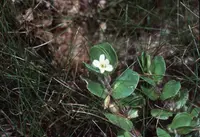
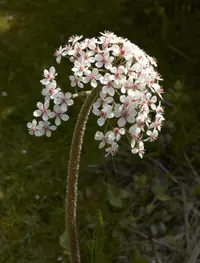
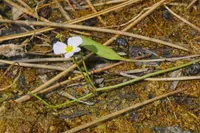
Common water-plantain, Alisma plantago-aquatica, is a marginal aquatic plant typically found in shallow water, ditches, and wet meadows. It grows from a basal rosette with broad, lance-shaped leaves and sends up tall, branching flower stalks with many small, pale flowers in summer. Native to wet areas across Europe, Asia, and parts of North America, it is adapted to saturated soils and standing water. Once established in a pond or water garden, it can be quite resilient but may spread if conditions suit it. Gardeners who want to care for Common Water-plantain should provide constant moisture and a sunny to lightly shaded position.

Care Difficulty
Moderate Care

Light Preference
Full Sun

Water Requirements
Aquatic

Temperature Preference
Cold Hardy

Hardiness Zone
4–9

Soil Texture
Loamy, Silty, Organic-rich

Soil pH
Slightly acidic (6.5–7.0), Neutral (7.0)

Soil Drainage
Waterlogged tolerant

Fertilization
Minimal (feed rarely)
Scan your plant to receive care tips personalized for your specific plant
Available on iOS and Android
This aquatic perennial prefers bright conditions with some protection from intense midday sun.
This species is adapted to consistently wet or shallowly flooded conditions rather than fluctuating wet–dry cycles.
This hardy aquatic plant tolerates a broad temperature range but responds best to mild conditions during active growth.
This emergent aquatic prefers constant high humidity but tolerates typical outdoor air if roots stay submerged or saturated.
This species thrives in permanently wet, fine-textured substrates that stay saturated yet not anaerobic at the crown level.
This marginal aquatic is suitable for container growing in ponds or water features when the container is prepared for saturated conditions.
This marginal aquatic species needs only modest feeding in most garden ponds.
Pruning Alisma plantago-aquatica is mainly hygiene and light shaping, not structural training.
This plant is more often transplanted in ponds or bog gardens than repotted in conventional containers.
Multiplying this species is straightforward through both seed and division in suitable wet conditions.
This hardy wetland plant usually overwinters outdoors in much of the US without intensive care.

Plant Health Check
Not sure what's wrong with your plant? Check your plant's health inside the app.
The broad, oval submerged leaves of this species can resemble young plantain leaves, which inspired both its Latin species name plantago-aquatica and common name water-plantain, even though it is unrelated to true plantains in the genus Plantago.
Its roots and rhizomes tolerate low-oxygen, waterlogged soils by forming internal air spaces that help transport oxygen from leaves down into submerged tissues, an adaptation typical of many emergent aquatic plants.
The plant produces loose panicles of small, three-petaled white to pale pink flowers that open mainly in sunny weather, with each flower lasting only a short time while the inflorescence continues blooming over several weeks.
This species often colonizes nutrient-rich, disturbed shorelines and ditches and can act as an early successional plant, stabilizing muddy substrates and creating microhabitats that facilitate the establishment of other wetland species.
This species spreads steadily by seed and short rhizomes but is usually not aggressively invasive in managed ponds. In nutrient-rich, shallow water it can form dense patches, so periodic thinning helps maintain open water and plant diversity.
Keep your plants happy and healthy with plant identification, disease detection, and easy care guidance.