disk waterhyssop Care (Bacopa rotundifolia)

Also known as: Roundleaf Water-hyssop
disk waterhyssop

About disk waterhyssop

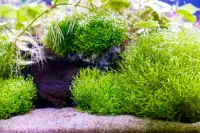
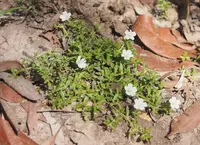
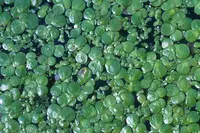
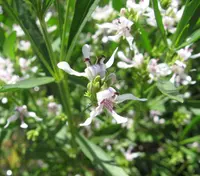
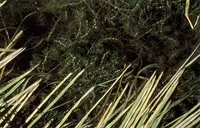
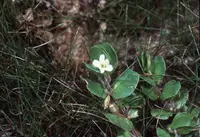
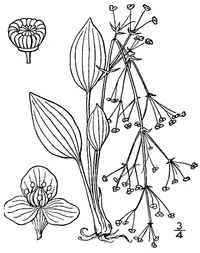
Disk waterhyssop (Bacopa rotundifolia) is a small aquatic or semi-aquatic plant often used in aquariums, paludariums, and pond edges. It forms low, creeping mats with small, round leaves on slender stems, creating dense green carpets under water or in very wet soil.

This species is native to wetlands in parts of North and South America, where it grows in shallow, slow-moving water. It is generally considered easy to grow if given consistent moisture, clean water, and gentle light, and many aquarists look for basic guidance on how to care for disk waterhyssop.

Main Plant Requirements

Care Difficulty

Moderate Care

Light Preference

Partial Sun

Water Requirements

Aquatic

Temperature Preference

Tropical / Frost Sensitive

Hardiness Zone

9–11

Soil Texture

Loamy, Silty, Organic-rich

Soil pH

Slightly acidic (6.5–7.0), Neutral (7.0)

Soil Drainage

Waterlogged tolerant

Fertilization

Moderate (every 2–4 weeks)

Get Personalized Care Plan

Scan your plant to receive care tips personalized for your specific plant

Available on iOS and Android

How to Care for the disk waterhyssop

This aquatic species prefers bright, indirect light and gentle sun to maintain compact, healthy growth.

  • Provide 4–6 hours of bright, indirect light or soft morning sun; strong afternoon sun can scorch foliage, especially in shallow water or small setups.
  • Allow light dappled shade during the hottest part of the day; disk waterhyssop tolerates partial shade but stems may elongate and leaves pale if light is too low.
  • Outdoors, site where it receives spring and autumn sun with some summer protection; indoors, use a window with filtered light or an aquarium light rated for aquatic plants.

Bacopa rotundifolia needs consistently moist to submerged conditions and does not tolerate drying out.

  • For potted or marginal setups, keep the substrate constantly damp; do not let the top 1–2 cm dry out, and allow slight surface sheen rather than standing pools on dense soil.
  • In aquariums or ponds, ensure stable water level and gentle circulation; avoid stagnant, foul-smelling water which indicates poor oxygen and root stress.
  • Watch leaves for cues: yellowing, mushy stems, and algae growth suggest excess nutrients or overwatering in soil; dull, limp, or crispy tips signal that roots have been too dry or water level dropped.

This plant favors mild, stable temperatures and reacts poorly to frost or sudden extremes.

  • Aim for 68–78°F (20–26°C) for steady growth; this range suits most ponds and aquariums and supports strong rooting and compact foliage.
  • Protect from cold below 50°F (10°C); brief dips to 41–45°F (5–7°C) may be survived, but repeated exposure and any frost usually damage stems and slow recovery.
  • In hot weather above 86°F (30°C), growth may slow; provide partial shade, adequate water depth, and good aeration to limit heat stress and prevent leaf melt.

This species prefers consistently high humidity similar to its marshy native habitat.

  • Aim for 60–80% humidity to support lush growth and continuous submersed or semi-aquatic foliage.
  • It tolerates only brief exposure to dry air; prolonged humidity below 50% leads to browning tips and slowed growth in disk waterhyssop.
  • Watch for curled, crispy leaves as signs of humidity stress and increase moisture with open water trays, misting over tanks, or partially covered aquaria.

This aquatic species thrives in very moist to submerged conditions rather than typical potting soil.

  • Use a fine-textured, organic-rich mix such as 2 parts aquatic plant soil or loam with 1 part washed sand for rooted sections.
  • Ensure the substrate stays saturated or submerged; moderate water movement prevents stagnation but should not uproot stems.
  • A slightly acidic to neutral pH around 6.0–7.2 supports nutrient uptake and stable Bacopa rotundifolia growth.
  • Avoid peat-heavy, fluffy potting mixes that float, decompose quickly, or trap anaerobic gases, which damage roots and stems.

This species is well suited to containers, especially aquaria, paludariums, and very wet pots.

  • Choose a wide, shallow container to accommodate horizontal stem spread and make trimming access easier near the water surface.
  • Use a stable, heavier container or weighted planting baskets so buoyant stems do not tip or shift when fully submerged.
  • If grown emergent at the edge of water, position the container so only the root zone is saturated while stems remain above the waterline for gas exchange.

This aquatic plant responds well to light, consistent nutrition during active growth from spring to early fall.

  • Use a balanced liquid NPK fertilizer formulated for aquatic plants, diluted to 25–50% strength.
  • Feed every 2–4 weeks while growth is strong, skipping any dose if water tests show elevated nutrients or algae bloom.
  • Pause or halve feeding during winter or dormancy, as uptake slows in cooler, lower-light conditions.
  • Avoid heavy compost or soil-based fertilizers in tanks to limit water fouling when caring for disk waterhyssop.

Pruning Bacopa rotundifolia maintains compact growth and prevents stems from shading lower leaves.

  • Trim back long, leggy stems in spring and summer using clean scissors or aquascaping shears just above a leaf node.
  • Remove yellowing, decaying, or algae-covered leaves to maintain plant health and water quality.
  • Thin crowded stems to improve light penetration and water flow through the planting area.
  • Pinched stem tips encourage bushier side shoots and a denser foreground or midground clump.

Transplanting aligns more with this species, since it is usually grown rooted in substrate rather than in pots.

  • Move plants when stems show crowded growth, slow expansion, or bare lower sections, often every 6–12 months in active aquaria.
  • Choose late spring or summer, when light and temperature are stable, to reduce transplant shock.
  • Gently loosen substrate around roots, keep roots submerged during the move, and replant stems vertically with lower nodes buried.
  • Trim damaged roots and leaves, then maintain stable water parameters and moderate light to help recovery after transplanting.

This species is commonly multiplied from stem cuttings taken from healthy, actively growing shoots.

  • Take 5–8 cm tip cuttings in late spring through summer from strong, algae-free stems.
  • Remove lower leaves and insert the bare nodes into fine aquarium substrate or place in a shallow propagation tray with water.
  • Provide bright, indirect light, stable nutrients, and gentle water movement to support fast rooting.
  • Once roots form and new leaves appear, space young plants to avoid crowding and shading.

In heated indoor aquaria, Bacopa rotundifolia needs minimal special winter care.

  • Maintain stable water temperature, ideally 68–78°F, avoiding sudden drops that stress stems and roots.
  • Keep lighting duration consistent, around 8–10 hours, to limit seasonal slowdown and leaf drop.
  • In unheated setups, monitor for slowed growth, remove decaying foliage promptly, and avoid major pruning until days lengthen.

Care Tips

Submerged Stem Trimming

Trim back the longest underwater stems every 3–4 weeks and replant the healthy tops into the substrate to keep the stand dense, avoid shading, and renew older growth.

Staggered Replanting

When thinning out a crowded patch, remove and replant only 25–30% of stems at a time so the root zone and beneficial bacteria in the substrate stay stable for fish and invertebrates.

Light-Direction Management

Rotate or slightly shift the aquarium light or tank orientation every few weeks so stems do not lean in one direction, which maintains more upright, even growth for easier maintenance.

Flow Pattern Optimization

Place disk waterhyssop in areas of gentle but constant water movement, avoiding dead spots and strong jets, to reduce algae buildup on leaves and support healthy gas exchange.

Quarantine And Rinse

Before adding new cuttings, quarantine them in a separate container for 7–10 days and rinse thoroughly to reduce the risk of introducing snails, algae, or pathogens when growing disk waterhyssop.

Common Pests and Diseases

Aphids

These insects cluster on young shoots and undersides of leaves, sucking sap and causing distorted, pale growth and sticky residue on the stems. This pest often appears on emersed or marginal stems in warm, nutrient-rich water.

Solution

Rinse affected stems under a gentle stream of water and remove heavily infested shoots. If needed, use an aquarium-safe insecticidal soap on emersed growth only, and reduce excess nitrogen fertilization to make plants less attractive to aphids.

Spider mites

These insects thrive on emersed or very shallowly grown stems in warm, dry air, leaving tiny pale speckles, fine webbing, and dull, stressed foliage. This pest is more common when disk waterhyssop is grown in paludariums or as a marginal plant without adequate humidity.

Solution

Increase ambient humidity around emersed foliage and regularly mist or shower the plant to disrupt mites. Wipe stems and leaves with a damp cloth, then apply an aquarium-safe miticidal soap to emersed parts only, keeping sprays out of the tank water.

Snail herbivory

This pest issue occurs when certain aquarium or pond snails feed on soft Bacopa tissue, leading to ragged leaf edges and thinning stems in dense plantings. Symptoms include missing leaf sections and visible feeding trails on tender new growth.

Solution

Manually remove problem snails and reduce overfeeding of fish to limit snail population growth. Introduce snail traps or snail-eating fish where appropriate, and provide alternative plant material or blanched vegetables to divert feeding away from Bacopa stands.

Algal overgrowth

This problem appears as green, brown, or hair-like coatings on leaves and stems that shade the plant and slow growth. Symptoms include stunted, weak shoots and leaves that are smothered or discolored by attached algae.

Solution

Reduce light intensity or photoperiod to about 6–8 hours, limit excess nutrients by moderating fertilization, and perform regular partial water changes. Manually remove algae from stems, thin crowded growth to improve circulation, and keep filter maintenance consistent to stabilize water quality.

Bacterial stem melt

This disease develops when freshly introduced or stressed stems suddenly turn translucent, mushy, and detach from the substrate, often starting at the base. Symptoms include rapid collapse of lower internodes while upper portions still appear green at first.

Solution

Promptly remove all soft or decaying sections to prevent further spread and water quality decline. Replant only firm, healthy stem tips, improve circulation and filtration, avoid drastic changes in temperature or water chemistry, and follow consistent Bacopa rotundifolia care instructions to reduce stress that favors bacterial breakdown.

Interesting Facts

Amphibious growth form

This species can grow fully submerged in water as an aquarium stem plant, but in shallow margins it transitions to an emersed form with slightly thicker, more robust leaves and creeping stems.

Round leaf adaptation

The nearly circular leaves are attached on opposite sides of the stem and are shaped to minimize drag in slow-moving water, helping the plant stay anchored and stable in its native aquatic habitats.

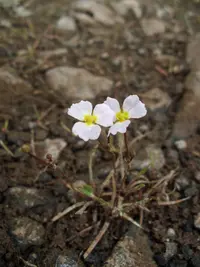
Small white flowers

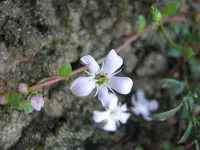
When grown emersed and given enough light, this plant produces small, white, five-lobed flowers above the water surface, which are pollinated in air rather than underwater.

FAQs about disk waterhyssop

This species performs best outdoors in shallow water or very wet soil, where light and humidity stay high and stable. It can be kept inside only in bright, warm aquaria or specialized setups, not as a typical houseplant.

Grow Healthy Plants with Botan Care

Keep your plants happy and healthy with plant identification, disease detection, and easy care guidance.

Botan plant care app — identify plants on mobile

Explore More Plants