lesser waterplantain Care (Baldellia ranunculoides)

Also known as: Crowfoot-Alisma
lesser waterplantain

About lesser waterplantain

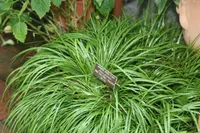
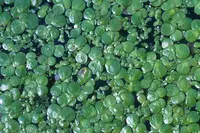
Lesser waterplantain, Baldellia ranunculoides, is a small aquatic or marginal plant commonly found along the edges of ponds, ditches, and slow-moving streams. It naturally occurs across parts of Europe, North Africa, and western Asia, and is sometimes grown in ornamental water gardens.

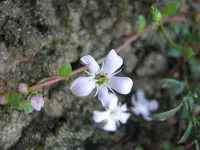
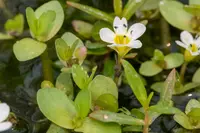
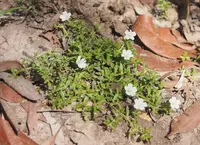
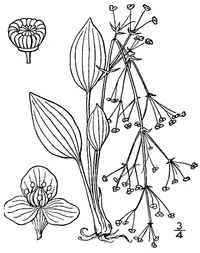
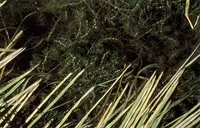
The plant forms low clumps of narrow, grass-like leaves and sends up delicate stems with small pale pink to white flowers. It prefers shallow water or very wet soil, making it suitable for the front edge of ponds or boggy areas.

Gardeners who care for lesser waterplantain usually find it undemanding if its constant moisture needs are met and it receives adequate light and low competition from taller, more vigorous plants.

Main Plant Requirements

Care Difficulty

Moderate Care

Light Preference

Full Sun

Water Requirements

Aquatic

Temperature Preference

Cold Hardy

Hardiness Zone

5–9

Soil Texture

Sandy, Loamy, Silty

Soil pH

Acidic (5.5–6.5), Slightly acidic (6.5–7.0)

Soil Drainage

Waterlogged tolerant

Fertilization

Minimal (feed rarely)

Get Personalized Care Plan

Scan your plant to receive care tips personalized for your specific plant

Available on iOS and Android

How to Care for the lesser waterplantain

This shallow-water marginal plant relies on abundant light to flower and form compact foliage.

  • Provide 6–8 hours of sun daily, with at least 3–4 hours of gentle morning sun; light afternoon shade helps prevent leaf scorch in hot summers.
  • Tolerates partial shade (around 3–4 hours sun), but stems may elongate and flowering declines if light drops below this level.
  • In cooler seasons, full sun is preferred; in regions with intense summer sun, use neighboring taller plants to cast dappled, mid-afternoon shade for lesser waterplantain.

This species is adapted to consistently wet conditions and performs best with stable water levels.

  • Grow at the edge of ponds, water gardens, or in very shallow water so the crown stays just at or slightly below the water surface.
  • If planted in saturated soil, do not let the top 1–2 cm dry; wilting, dull leaves, and slowed growth signal insufficient moisture for Baldellia ranunculoides.
  • Avoid stagnant, foul-smelling water; yellowing, mushy foliage and a rotting crown indicate oxygen-poor, anaerobic conditions rather than simple underwatering.

This aquatic perennial tolerates a wide temperature range but responds best to mild conditions.

  • Optimal growth occurs around 60–75°F (16–24°C), especially during the main growing season when water temperatures are also in this range.
  • Tolerates short dips to about 20–25°F (-6 to -4°C) if submerged or insulated by water, but repeated hard freezes of exposed crowns can cause winter loss.
  • In hot spells above 86°F (30°C), maintain good water depth and avoid isolated, shallow containers where water overheats, which stresses roots and reduces flowering.

This shallow-water aquatic prefers constantly moist air around foliage but relies mainly on high water levels rather than room humidity.

  • Target ambient humidity around 60–80% in enclosed setups to reduce leaf edge drying.
  • It tolerates brief lower humidity if roots remain submerged, but leaves may brown at tips in very dry air.
  • Increase humidity by using a wide water tray or mini-bog container so water surface surrounds lesser waterplantain foliage.

This species grows best in waterlogged, fine-textured substrates rather than conventional potting soil.

  • Use heavy loam or clay-loam with 30–50% fine sand and 20–30% well-rotted compost to mimic pond margins.
  • Soil should remain saturated or shallowly flooded at all times, with no free-draining holes below substrate level.
  • Keep pH slightly acidic to neutral (pH 6.0–7.2) for stable nutrient availability and healthy Baldellia ranunculoides growth.
  • Avoid peat-heavy, very airy, or gravelly mixes that drain quickly, as these prevent stable, waterlogged conditions and stress roots.

This marginal aquatic is suitable for containers when grown as a mini-bog or shallow pond feature.

  • Choose a wide, shallow, rigid container so roots can spread laterally and the water surface remains stable against wind.
  • Select non-porous materials such as plastic or glazed ceramic to prevent seepage and keep the substrate consistently waterlogged.
  • Raise the internal soil level on a firm base so the crown sits just at or below water level, avoiding full submersion of foliage.

This marginal aquatic species needs only light feeding in most garden ponds, since it often thrives in naturally nutrient-rich water.

  • Use a mild, slow-release aquatic fertilizer tablet or half-strength balanced NPK if growth or flowering is weak.
  • Feed once every 6–8 weeks during late spring and summer, inserting tablets into the planting basket substrate.
  • Avoid fertilizing in late fall and winter when growth slows or the plant goes dormant.
  • Do not exceed recommended doses, as excess nutrients can stress lesser waterplantain and encourage algae growth.

Pruning Baldellia ranunculoides is mainly hygienic, helping maintain tidy growth and reliable flowering.

  • Best timing is during the growing season, removing spent flower stems once they fade to direct energy to new growth.
  • Trim yellowing, dead, or damaged leaves at the base with clean scissors or small pruning snips.
  • Thin out weak or crowded shoots from planting baskets to maintain airflow and an open clump structure.
  • Avoid heavy cutting into healthy green tissue, as this shallow-rooted aquatic prefers light, frequent grooming.

This shallow-water plant is usually grown in baskets or pond margins and only needs transplanting when overcrowded or declining.

  • Check for roots tightly circling pond baskets, reduced flowering, or dense, congested clumps as signs it needs dividing and replanting.
  • Plan transplanting for early spring before strong new growth, typically every 2–3 years in managed ponds.
  • Lift clumps gently, rinse off excess substrate, and divide into smaller sections with healthy roots and several shoots each.
  • Replant divisions into low-nutrient aquatic substrate, keep crowns just below the surface, and maintain even water depth to reduce stress.

Baldellia ranunculoides is most often propagated by division, with seed used for larger restoration or naturalistic projects.

  • Divide mature clumps in early spring, separating sections with firm roots and at least a few shoots.
  • Replant divisions at the same depth in aquatic baskets or shallow margins, keeping crowns barely submerged.
  • For seed, sow fresh seed on wet, fine aquatic compost and keep consistently shallow-flooded and bright.
  • Maintain cool to mild temperatures and good light, as fluctuating moisture or drying can sharply reduce germination and survival.

In many temperate regions this aquatic is reasonably cold hardy and needs minimal winter care once established in a pond.

  • In ponds, ensure crowns remain below the ice line so roots stay insulated by water.
  • For containers in colder zones, sink baskets deeper or move them to an unfrozen, cool indoor tank.
  • Trim away dead foliage in late winter, leaving any firm crowns or buds intact for spring regrowth.

Care Tips

Secure Aquatic Containers

If grown in pots sunk into a pond or water feature, use wide, shallow baskets lined with fine mesh to keep soil from leaching into the water while still allowing roots to spread and anchor well.

Manage Water Depth

Adjust planting depth seasonally by raising or lowering baskets so the crown stays just below the water surface in summer but is not deeply submerged in winter, which helps prevent rot and weak growth.

Encourage Flowering Colonies

Divide dense clumps every 2–3 years in early spring, replanting small sections 5–10 cm apart to create a natural-looking colony with more uniform flowering spikes.

Control Competing Marginals

Periodically thin or relocate aggressive neighboring marginal plants so they do not shade or physically crowd the foliage, which can reduce flowering and cause weak, elongated growth when growing lesser waterplantain.

Monitor Water Quality

Keep pond or container water low in suspended silt and avoid heavy fish stocking, since excess nutrients and turbidity favor algae growth that can smother leaves and reduce light penetration to the plant.

Common Pests and Diseases

Leaf spot

This disease causes small brown to dark olive spots on emergent leaves, often with a yellow halo and occasional coalescing into larger blotches. Symptoms include premature yellowing and dieback of affected foliage, especially in crowded or stagnant water conditions.

Solution

Remove and discard heavily spotted or decaying leaves to reduce inoculum, and thin dense clumps to improve water movement and light penetration. Avoid overhead splashing from dirty water, keep nutrient levels moderate, and if grown in ornamental ponds use only pond-safe fungicidal treatments when pruning and hygiene do not control spread.

Powdery mildew

This disease appears as a white to gray powdery coating on aerial leaves and flower stalks in warm, still, humid weather. Symptoms include distorted new growth and reduced vigor in plants grown in shallow margins or containers with poor air movement.

Solution

Increase airflow by spacing plants, trimming surrounding vegetation, and removing the most affected leaves to limit spore spread. For persistent cases in ornamental water gardens, apply a pond-safe sulfur or bicarbonate-based fungicide to the emergent parts only, following label instructions and avoiding contact with fish and invertebrates.

Aphids

These insects cluster on flower stalks and young emergent leaves, sucking sap and excreting sticky honeydew that can attract sooty mold. This pest often distorts buds and can reduce flowering in container or pond-edge plantings.

Solution

Rinse colonies off emergent parts with a strong but controlled stream of water, keeping the root zone undisturbed, and remove heavily infested stems. For repeated infestations, introduce or encourage natural predators such as lady beetles, or use a pond-safe insecticidal soap sprayed on emergent foliage only during calm, cool periods.

Leaf-mining fly larvae

This pest causes winding, pale tunnels within submerged or semi-emergent leaves, which may later turn brown and disintegrate. Symptoms include reduced photosynthetic area and ragged foliage, especially in slow-moving or still water bodies.

Solution

Cut and remove mined leaves before larvae complete development, disposing of debris away from the water to break the life cycle. Maintain moderate water flow where possible and avoid excessive fertilization, which can encourage lush, susceptible growth; if damage is severe in a small ornamental setup, replace and replant with clean stock after thorough debris removal.

Interesting Facts

Amphibious growth form

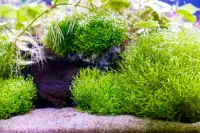
This species naturally shifts between submerged, emergent, and marginal growth, forming rosettes that tolerate both standing water and periodically exposed mud in fens, marshes, and pond edges.

Distinctive three-petaled flowers

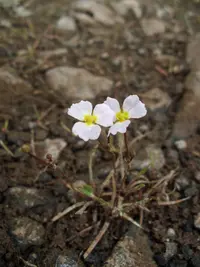
Its small pale pink to white flowers have 3 petals and 3 sepals and are borne in airy, branching inflorescences that can appear over several months, providing a recognizable feature for field identification.

Specialized wetland indicator

In conservation assessments across parts of Europe, this species is treated as an indicator of relatively unpolluted, low-nutrient freshwater habitats and can decline where eutrophication or intensive shoreline modification occurs.

Botan icon

Did you know?

In some regions of its native range, this species has become legally protected or red-listed due to habitat loss and water quality changes, and is actively used in ecological restoration projects to help rebuild species-rich wetland plant communities.

FAQs about lesser waterplantain

This species spreads by short rhizomes and self-seeding but is usually not aggressively invasive in garden ponds. In lined or container ponds, reproduction is easy to monitor by thinning extra rosettes and removing unwanted seedlings.

Grow Healthy Plants with Botan Care

Keep your plants happy and healthy with plant identification, disease detection, and easy care guidance.

Botan plant care app — identify plants on mobile

Explore More Plants