desert zinnia Care (Zinnia acerosa)

desert zinnia

About desert zinnia

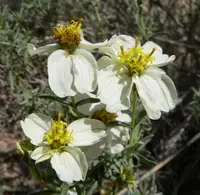
Desert zinnia (Zinnia acerosa) is a small, long-lived perennial subshrub from arid regions of the southwestern United States and northern Mexico. It stays low and compact, forming mounding clumps with narrow, gray-green leaves and many small, white daisy-like flowers.

This species is adapted to poor, dry soils and intense sun, which makes it well suited to low-water gardens and naturalistic landscapes. Once established, it is generally easy to care for desert zinnia if drainage is sharp and watering is light.

Z. acerosa is valued for its drought tolerance, heat resilience, and long blooming season, especially in hot, dry climates. It prefers full sun, lean mineral soils, and low to moderate moisture, and it does not perform well in humid, waterlogged conditions.

Main Plant Requirements

Care Difficulty

Easy Care

Light Preference

Full Sun

Water Requirements

Low Water

Temperature Preference

Tropical / Frost Sensitive

Hardiness Zone

7–10

Soil Texture

Sandy, Loamy, Rocky

Soil pH

Slightly acidic (6.5–7.0), Slightly alkaline (7.0–7.5)

Soil Drainage

Well-drained

Fertilization

Minimal (feed rarely)

Get Personalized Care Plan

Scan your plant to receive care tips personalized for your specific plant

Available on iOS and Android

How to Care for the desert zinnia

This drought-adapted perennial thrives in strong light and needs full sun to flower well.

  • Provide 6–10 hours of direct sun daily; desert zinnia performs best in open, unshaded sites with full exposure.
  • It tolerates light afternoon shade in very hot climates, but dense or all-day shade leads to weak, stretched growth and fewer blooms.
  • In winter or cloudy seasons, ensure the planting spot is as bright as possible, avoiding competition from taller plants that cast prolonged shade.

This species is highly drought-tolerant and prefers infrequent, deep watering over light, frequent applications.

  • Allow the top 5–8 cm of soil to dry fully before watering; in sandy, fast-draining ground this often means long dry intervals between soakings.
  • During the hottest months, water only when foliage starts to lose stiffness or the soil is dusty-dry, then soak thoroughly and let excess drain away.
  • Watch for yellowing, soft stems as a sign of overwatering, and crisp, browning leaf tips as an indicator the plant has been dry for too long.

This desert perennial prefers warm conditions and copes best with hot, dry climates.

  • Active growth is strongest around 70–90°F (21–32°C), though the plant tolerates brief spikes up to about 100°F (38°C) if soil drainage is very good.
  • It handles cool nights down to about 25–30°F (-4–-1°C) once established, but repeated hard freezes can damage stems and reduce flowering.
  • Protect from frost pockets and cold, wet soils in winter; in very hot regions, reflected heat from pavement or walls can stress plants during extreme heatwaves.

This species thrives in dry air and generally does not need extra humidity.

  • Target 20–40% humidity, similar to arid outdoor conditions, for stable growth in desert zinnia.
  • Brown, crispy leaf tips with otherwise dry, compacted soil usually indicate underwatering rather than low humidity.
  • If grown in very humid climates, space plants for airflow and avoid overhead watering to limit fungal leaf spots.

This species prefers lean, very well-drained, sandy soils that stay on the dry side.

  • Use a gritty mix such as 50–60% coarse sand or small gravel with 40–50% sandy loam or cactus mix to mimic native conditions.
  • Ensure rapid drainage; raised beds or mounded planting areas prevent water from pooling around roots after rain.
  • Aim for slightly alkaline to neutral pH, around 7.0–8.0, and avoid heavy peat-based mixes that stay acidic and wet.
  • Improve aeration by blending in mineral materials like pumice or crushed granite, and avoid high-organic, compacting substrates.

This species can be grown in containers if the setup emphasizes strong drainage and a shallow, wide root zone.

  • Choose a low, wide pot to support the spreading habit and keep the root system close to the drier upper substrate.
  • Select unglazed clay pots to let moisture evaporate through the walls and better replicate arid soil conditions.
  • Elevate the pot on feet or bricks so water can exit freely and the drainage holes never sit in a saucer of runoff.

This desert native needs only light feeding, as desert zinnia thrives in lean soils.

  • Use a balanced, low-strength liquid fertilizer (around 10-10-10 NPK) diluted to 25–50% if growth is weak in containers.
  • Feed every 4–6 weeks during active growth in spring and summer only, after thorough watering.
  • In the ground, apply a thin layer of compost once in spring instead of frequent synthetic feeding.
  • Stop fertilizing in fall and winter, when growth slows and added nutrients are not needed.

Thoughtful pruning of Zinnia acerosa maintains a compact shape and encourages heavier flowering.

  • Best timing is late winter to early spring, before strong new growth begins.
  • Use clean, sharp hand pruners to remove dead, damaged, or disease-affected stems at the base.
  • Thin out crowded, crossing shoots to improve airflow and keep the mound low and tidy.
  • Lightly shear spent flower heads during the growing season to extend blooming and reduce seeding.

This species is usually grown in the ground, so focus on careful transplanting rather than frequent repotting.

  • Transplant in spring or early fall, when temperatures are mild and soil is workable.
  • Look for roots circling the container or very slow growth as signs a potted plant needs a slightly larger pot.
  • Move into only one pot size up, using very well-drained, gritty soil to limit root disturbance and rot risk.
  • Handle the root ball gently, keep roots shaded during the move, then water once and allow the soil to dry between later waterings.

New plants are most reliably raised from seed, though short softwood cuttings can also be used for Zinnia acerosa care.

  • Collect ripe, dry seeds from spent flower heads at the end of the growing season.
  • Sow seeds in spring on top of a fast-draining mix, barely covering them, and keep slightly moist until germination.
  • Provide bright light, warm temperatures around 70–75°F, and good airflow for healthy seedlings.
  • Root 5–8 cm softwood cuttings in sandy mix under bright shade, keeping humidity moderate to prevent rot.

This desert perennial is quite cold tolerant in its native range and usually needs minimal winter attention.

  • In the ground, it tolerates light frost once established, especially in very free-draining soil.
  • In colder areas, apply a thin gravel or organic mulch around, not on, the crown to buffer temperature swings.
  • Overwinter containers in a bright, cool, frost-free spot and water very sparingly to keep roots just barely dry.

Care Tips

Encourage Dense Mounding

Pinch back soft shoot tips once or twice early in the season to encourage a tighter, mound-forming habit that covers bare ground more quickly.

Promote Root Resilience

Plant slightly high on a small mound of soil and gravel so excess water drains away from the crown, which helps prevent rot in heavy or compacted native soils.

Heat-Hardening Strategy

Gradually reduce irrigation frequency over several weeks in late spring to harden plants before peak summer heat, rather than making a sudden change to very sparse watering.

Smart Weed Control

Use a 2–3 cm layer of coarse, inorganic mulch such as gravel around plants to suppress weeds while keeping the soil surface dry and compatible with Zinnia acerosa care.

Targeted Deadheading

Shear off the top 2–3 cm of spent flowers and stems in one pass after a major bloom flush to trigger a more uniform and abundant rebloom without detailed hand-deadheading.

Common Pests and Diseases

Powdery mildew

This disease causes a white, powdery coating on leaves, stems, and sometimes flower buds, especially in warm, dry conditions with poor air movement. Symptoms include distorted new growth and premature leaf drop, which can reduce flowering.

Solution

Improve air circulation around the plant, avoid overhead watering, and remove heavily infected leaves to reduce spore spread. If needed, apply a sulfur or potassium bicarbonate fungicide labeled for ornamentals, starting early in the season and repeating as directed for consistent Zinnia acerosa care.

Alternaria leaf spot

This disease produces small, dark brown to purple leaf spots that can develop tan centers and a target-like pattern. Symptoms include yellowing and dropping of lower leaves, which can thin the plant and stress it during hot periods.

Solution

Remove and dispose of affected leaves and any heavily infected plant debris to reduce the source of spores. Water at soil level, keep foliage dry, and in persistent cases use a copper-based or chlorothalonil fungicide labeled for leaf spots on ornamentals, following the product directions closely.

Aphids

These insects cluster on tender stems, buds, and leaf undersides, sucking plant sap and excreting sticky honeydew. This pest can cause curled or distorted leaves and may attract sooty mold growth on the honeydew.

Solution

Dislodge colonies by spraying the plant with a strong stream of water and pinch off heavily infested shoot tips. For ongoing problems, apply insecticidal soap or a neem oil product to cover the insects thoroughly, repeating at 5–7 day intervals until populations remain low.

Spider mites

These pests are tiny, sap-sucking arachnids that thrive in hot, dry weather and can cause fine stippling, bronzing, and dulling of the foliage. Symptoms include very fine webbing on the undersides of leaves and between stems when populations are high.

Solution

Rinse foliage thoroughly, especially leaf undersides, with water every few days to physically remove mites and reduce dust that favors them. In more serious infestations, use horticultural oil or a miticide labeled for ornamentals, ensuring complete coverage and repeating as directed.

Botrytis blight

This disease leads to soft, water-soaked spots on petals, buds, and sometimes leaves, followed by gray, fuzzy mold in cool, damp conditions. Symptoms include browning and collapse of flowers and buds, especially in dense plantings or during prolonged wet weather.

Solution

Promptly remove and discard affected flowers, buds, and plant debris, and thin nearby plants to improve airflow. Avoid overhead watering, irrigate early in the day so foliage dries quickly, and in persistent cases apply a fungicide labeled for botrytis on ornamentals according to label instructions.

Interesting Facts

Extreme desert tolerance

This species is native to arid regions of the southwestern United States and northern Mexico and can survive on very low rainfall where many other ornamentals fail, thanks to its deep, fibrous root system and small, narrow leaves that reduce water loss.

Long flowering season

In suitable warm, dry climates, this plant can bloom from late spring through fall, repeatedly producing small white ray flowers with yellow centers that provide nectar and pollen for native bees and butterflies over many months.

Soil crust stabilizer

In its natural habitat, this low, woody subshrub helps stabilize sandy or gravelly soils and biological soil crusts, reducing erosion and providing small-scale shelter for invertebrates in desert grassland and scrub communities.

Botan icon

Did you know?

Desert zinnia has been identified by native plant and restoration ecologists as a valuable species for xeric habitat rehabilitation projects, because its combination of drought tolerance, long-lived woody crowns, and attractiveness to pollinators supports both soil recovery and local insect communities in degraded desert sites.

FAQs about desert zinnia

This species is a strong magnet for native bees, small solitary wasps, and many butterflies. Its small but numerous nectar-rich blooms provide a reliable food source in hot, dry sites, supporting local pollinator populations in low-water landscapes.

Grow Healthy Plants with Botan Care

Keep your plants happy and healthy with plant identification, disease detection, and easy care guidance.

Botan plant care app — identify plants on mobile

Explore More Plants