thinstem lady's mantle Care (Alchemilla filicaulis)

thinstem lady's mantle

About thinstem lady's mantle

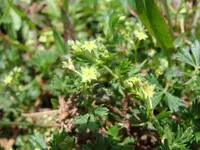
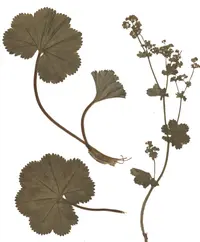
Thinstem lady's mantle (Alchemilla filicaulis) is a small, herbaceous perennial in the rose family, grown mainly for its soft, scalloped foliage. The leaves often hold dewdrops along their edges, giving the plant a distinctive, delicate look at ground level.

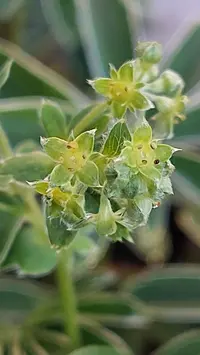
It usually forms loose clumps with slender stems and airy clusters of tiny yellow-green flowers. In the wild, it occurs in cooler temperate regions of Europe, often in meadows, open woodland, and grassy slopes.

This species is generally undemanding, which makes it easy to care for thinstem lady's mantle in typical garden conditions. It prefers moist but drained soil, moderate light, and benefits from protection from extreme heat or prolonged drought.

Main Plant Requirements

Care Difficulty

Easy Care

Light Preference

Partial Shade

Water Requirements

Moderate Water

Temperature Preference

Cold Hardy

Hardiness Zone

4–8

Soil Texture

Loamy, Silty, Organic-rich

Soil pH

Acidic (5.5–6.5), Slightly acidic (6.5–7.0)

Soil Drainage

Moist but well-drained

Fertilization

Minimal (feed rarely)

Get Personalized Care Plan

Scan your plant to receive care tips personalized for your specific plant

Available on iOS and Android

How to Care for the thinstem lady's mantle

This species prefers cool, bright conditions with protection from strong midday sun.

  • Provide 3–5 hours of morning sun or light dappled shade all day; east or northeast aspects suit thinstem lady's mantle well.
  • Tolerates partial shade and even bright full shade, but flowering and compact growth improve with some direct early sun.
  • Avoid harsh afternoon sun in summer, which can scorch leaves and dry soil too fast; in hot climates, increase shade from June to August.

This plant prefers consistently moist but not saturated soil, especially during active growth.

  • In garden beds, water when the top 3–5 cm of soil feels barely damp, allowing only the surface to dry between waterings.
  • Increase watering during warm, dry spells and reduce in cool or rainy periods; Alchemilla filicaulis dislikes standing water around its crown.
  • Watch foliage for cues: wilting and dry, crisp edges suggest underwatering, while yellowing leaves and mushy stems point to overwatering or poor drainage.

This hardy perennial copes well with cool climates and moderate summer warmth.

  • Optimal growth occurs around 55–75°F (13–24°C), with strong foliage and steady flowering in these conditions.
  • Tolerates cold down to about 0°F (-18°C) once established, dying back to the crown in winter and regrowing in spring.
  • Handles short warm spells up to about 85°F (29°C) if soil remains moist and roots are mulched; prolonged heat and dryness reduce vigor and flowering.

Alchemilla filicaulis manages humidity flexibly and usually does not need special adjustments outdoors.

  • Target 40–60% humidity; the plant tolerates brief drier periods but prefers some ambient moisture in hot weather.
  • Dry air stress shows as crisp leaf edges and slower growth, especially in full sun and wind-exposed spots.
  • In very dry climates, plant near other perennials or mulch the soil surface to retain local humidity around thinstem lady's mantle.

This species prefers consistently moist, well‑structured soil that drains freely yet holds some organic moisture.

  • Use a loamy mix with 40–60% garden soil, 30–40% compost, and 10–20% coarse sand or fine grit to balance moisture and drainage.
  • Aim for slightly acidic to neutral pH, around 6.0–7.0, where nutrient availability supports steady foliage growth.
  • Improve aeration by working in coarse sand or fine pea gravel to prevent compaction around the fibrous roots of Alchemilla filicaulis.
  • Avoid heavy, waterlogged clay and very shallow, stony spots that dry out rapidly, as both extremes reduce vigor and flowering.

This species is suitable for container growing when moisture and drainage are managed carefully.

  • Choose a wide, medium‑deep pot to match its spreading habit, allowing lateral root space without creating a very tall soil column that stays wet at the base.
  • Select a heavier material such as ceramic or clay to keep the container stable against wind as the leafy clump fills out.
  • Elevate the pot slightly on feet or bricks so drainage holes clear freely and runoff leaves the container area quickly.

This perennial needs only light feeding, as thinstem lady's mantle is adapted to modest soils.

  • Apply a thin layer of garden compost or well-rotted manure around plants in early spring.
  • In poor soils, use a balanced, slow-release fertilizer (around 10-10-10) at half label rate.
  • Feed once per growing season; skip additional applications unless growth is clearly weak.
  • Do not fertilize in winter or dormancy, to avoid soft, frost-prone growth.

Pruning Alchemilla filicaulis focuses on tidiness and sustaining compact, fresh growth.

  • Cut back spent flower stems after blooming to reduce self-seeding and encourage foliage flush.
  • Remove dead, damaged, or yellowing leaves at any time using clean, sharp scissors or hand pruners.
  • In late summer, shear back untidy clumps by one-third to refresh shape and stimulate new leaves.
  • Dispose of diseased material, rather than composting, to reduce foliar disease carryover.

This species is usually grown in the ground, so focus on dividing and transplanting mature clumps.

  • Transplant or divide in early spring or early fall when growth is slow and temperatures are mild.
  • Look for crowded crowns, reduced vigor, or bare centers as signs a clump needs lifting, typically every 3–5 years.
  • Lift clumps carefully with a fork, tease apart sections with several shoots and roots, and replant at original depth.
  • Water thoroughly after transplanting, then keep soil evenly moist for 1–2 weeks to limit root stress.

Alchemilla filicaulis is commonly propagated by division or seed for garden expansion.

  • Divide established clumps in early spring or early fall, choosing healthy, vigorous plants.
  • Replant divisions into moist, well-drained soil, spacing so mature foliage will not overcrowd neighboring plants.
  • Sow fresh seed on the soil surface in fall or early spring; light aids germination, so do not bury deeply.
  • Keep seed trays or newly planted areas consistently moist until seedlings or divisions are well rooted.

This hardy perennial usually overwinters well in most temperate gardens with minimal care.

  • Plants tolerate typical frosts once established, with foliage naturally dying back in colder zones.
  • After hard frost, cut back dead leaves to reduce disease and expose crowns.
  • Apply a 3–5 cm layer of mulch around, not over, crowns to buffer freeze–thaw cycles.
  • In very cold regions, grow Alchemilla filicaulis in containers and move pots to a sheltered, unheated spot.

Care Tips

Encourage Dense Clumps

After flowering, lightly shear back spent flower stems to just above the foliage to promote compact, fresh regrowth and reduce self-seeding in surrounding beds.

Self-Seeding Management

If you want controlled colonies, deadhead before seeds ripen, but if you want a naturalized look, leave some flower heads to mature and thin unwanted seedlings the following spring.

Mulch For Crown Protection

Apply a thin, breathable mulch layer around but not over the crowns in late fall to buffer winter temperature swings and reduce heaving of shallow roots.

Divide For Vigor

Every 3–4 years, lift and divide crowded clumps in early spring, replanting only the healthiest outer sections to keep plants vigorous and maintain an even groundcover.

Edge To Contain Spread

Install a shallow physical edge, such as a metal or rigid plastic strip sunk 5–7 cm deep, along borders where you want to limit lateral spread when caring for thinstem lady's mantle.

Common Pests and Diseases

Powdery mildew

This disease produces white, powdery patches on leaves, often starting on older foliage in dense or shaded clumps. Symptoms include distorted growth and a dull, grayish cast over affected areas.

Solution

Thin crowded plantings to improve airflow, avoid overhead watering, and remove heavily infected leaves to reduce spore load. In persistent cases, apply a sulfur or potassium bicarbonate fungicide labeled for ornamental perennials, following label directions carefully.

Leaf spot

This disease causes small brown to dark purple spots on leaves, sometimes with yellow halos, which can merge and lead to premature leaf drop. Symptoms include a generally tired, patchy appearance of the foliage in humid or wet periods.

Solution

Remove and discard affected leaves and any fallen debris around the plant to limit reinfection. Water at soil level in the morning, improve air circulation, and if spotting is severe, use a copper-based or chlorothalonil fungicide registered for ornamental garden plants.

Aphids

These insects cluster on soft stems and flower stalks, sucking sap and causing curling or distortion of young leaves and flower buds. This pest often leaves sticky honeydew that can attract sooty mold on foliage nearby.

Solution

Spray colonies off with a firm stream of water, then treat remaining insects with insecticidal soap or a light horticultural oil, coating both leaf undersides and stems. Encourage natural predators such as lady beetles by avoiding broad-spectrum insecticides in the area, which supports more sustainable Alchemilla filicaulis care.

Slugs and snails

These pests chew irregular holes in leaves, often leaving only the veins on young or tender foliage, and may cause significant cosmetic damage in damp, shaded sites. Symptoms include silvery slime trails on or around the plant.

Solution

Hand-pick slugs and snails in the evening, use beer traps or boards as lures, and reduce nearby hiding places such as dense mulch or debris. Where pressure is high, apply iron phosphate slug bait around but not directly on the crowns, following product instructions.

Vine weevils

These insects feed at night and create notched, crescent-shaped bites along leaf edges, while their larvae may chew on fine roots in containers or very loose soil. Symptoms include slow growth and wilting despite adequate moisture when roots are affected.

Solution

Inspect plants at night and remove adult weevils by hand from foliage and nearby structures. In pots or very infested beds, use entomopathogenic nematodes specifically labeled for vine weevil control, applied to moist soil during the appropriate temperature window to reduce larval populations.

Interesting Facts

Moist meadow specialist

This species is naturally associated with moist subalpine and montane meadows and streamside turf in central and southern Europe, rather than the drier habitats many other lady’s mantles tolerate.

Notched leaf signature

Its leaves show a characteristic combination of fine lobes and shallow notches that help distinguish it from closely related Alchemilla species with either rounder or more sharply toothed foliage.

Slope and scree colonizer

In some mountain regions it forms scattered patches on gentle scree and grassy slopes, where its fibrous root system helps stabilize fine soil particles among stones.

FAQs about thinstem lady's mantle

This species spreads gently by short rhizomes and self-seeding. It usually forms loose clumps rather than dense mats. In average garden conditions it is easy to control with occasional edging and removal of unwanted seedlings.

Grow Healthy Plants with Botan Care

Keep your plants happy and healthy with plant identification, disease detection, and easy care guidance.

Botan plant care app — identify plants on mobile

Explore More Plants