Cigar plant Care (Cuphea ignea)

Also known as: Cigar plant, Firecracker plant, Mexican Cigar, Cigar, Cigarette Bush
Cigar plant

About Cigar plant

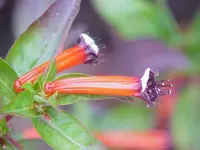
Cuphea ignea, commonly called cigar plant, is a compact, evergreen shrub grown mainly for its long, tubular red-orange flowers that resemble tiny cigars. It tends to form a dense, bushy mound with many fine branches and small, narrow leaves. Native to Mexico and the Caribbean, it is usually grown as a warm-climate ornamental or as a summer annual in cooler regions. The plant blooms over a long season and attracts hummingbirds and other pollinators, which makes it popular in beds and containers. It is considered relatively easy to grow if given consistent moisture, good drainage, and a bright, warm position, which simplifies how to care for Cigar plant.

Main Plant Requirements

Care Difficulty

Easy Care

Light Preference

Full Sun

Water Requirements

Regular Water

Temperature Preference

Tropical / Frost Sensitive

Hardiness Zone

9–11

Soil Texture

Sandy, Loamy, Organic-rich

Soil pH

Acidic (5.5–6.5), Slightly acidic (6.5–7.0)

Soil Drainage

Moist but well-drained

Fertilization

Light (every 4–6 weeks)

Get Personalized Care Plan

Scan your plant to receive care tips personalized for your specific plant

Available on iOS and Android

How to Care for the Cigar plant

Cuphea ignea prefers bright sun with some protection during the hottest part of the day.

  • Provide 6–8 hours of direct sun, ideally with morning sun and light afternoon shade in hot climates.
  • Tolerates light or dappled shade, but flowering decreases and stems may stretch if it gets less than 4–5 hours of direct light.
  • Watch for leaf scorch, crispy edges, or washed-out color in intense afternoon sun, and consider moving or shading slightly in midsummer.

Cuphea ignea likes consistently moist but not waterlogged soil.

  • Water when the top 2–4 cm of soil feels dry, applying enough to moisten the root zone without leaving standing water.
  • Use well-drained soil or a planting bed that does not stay soggy; yellowing, soft leaves or a sour smell indicate overwatering.
  • In hot summer weather, monitor more often, while in cooler seasons allow slightly deeper drying and watch for wilting or dull, drooping foliage as a sign to water.

This species prefers warm, frost-free conditions for best growth and flowering.

  • Optimal growth occurs around 65–80°F (18–27°C), with steady warmth helping maintain continuous blooms.
  • Cuphea ignea is very frost sensitive; growth slows below 55°F (13°C) and plants are often damaged or killed near 32°F (0°C).
  • It tolerates short spikes to 90–95°F (32–35°C) if soil moisture is maintained, but prolonged extreme heat with dry soil can cause leaf drop and stress.

This species prefers moderate humidity but usually adapts to typical indoor levels.

  • Target 40–60% humidity; short dry spells are tolerated if watering is consistent.
  • Cigar plant may show crispy leaf edges, slow growth, or increased spider mites when air is very dry.
  • Increase humidity locally by grouping plants, placing the pot on a pebble tray, or running a nearby humidifier.

Cuphea ignea grows best in loose, consistently moist, well-drained soil.

  • Use a light loamy mix made from roughly 2 parts peat- or coco-based potting mix, 1 part compost, and 1 part perlite or coarse sand.
  • Aim for slightly acidic to neutral pH, around 6.0–7.0, to support nutrient availability and root activity.
  • Ensure fast drainage so water runs through quickly yet the mix retains slight moisture between waterings.
  • Avoid heavy clay, compacted soil, or mixes that stay waterlogged, as these limit aeration and promote root rot.

This species is well suited to container growing outdoors or on patios.

  • Choose a relatively wide, stable pot to support its bushy, spreading habit and reduce the risk of tipping in wind.
  • Select a container material with moderate moisture retention, such as glazed ceramic or thick plastic, to prevent rapid drying in hot weather.
  • Ensure large, unobstructed drainage holes so heavy rain or deep watering can exit quickly and prevent roots from sitting in water.

Cuphea ignea responds well to modest, consistent feeding during the active growing season.

  • Use a balanced liquid fertilizer (for example 10-10-10 or 20-20-20) at 1/2 strength every 2–4 weeks from spring through early fall.
  • Alternatively, apply a slow-release balanced fertilizer or a thin layer of compost in spring for container and garden plants.
  • Flush pots with plain water every few months to prevent salt buildup and avoid feeding stressed, very dry, or waterlogged plants.
  • Stop or reduce feeding to once every 6–8 weeks at very low strength in late fall and winter when growth slows.

Pruning supports compact growth and continuous flowering in Cuphea ignea.

  • In late winter or early spring, lightly cut back leggy stems by up to 1/3 to maintain a dense, rounded shape.
  • During the growing season, pinch soft shoot tips to encourage branching and more flower-bearing stems.
  • Remove dead, damaged, or crossing stems with clean, sharp scissors or hand pruners to improve air flow.
  • Deadhead spent flower clusters by snipping just above a leaf node to extend the blooming period.

Cuphea ignea adapts to both containers and garden beds but benefits from periodic repotting or careful transplanting.

  • Repot or transplant in spring when roots circle the pot, drain holes are blocked, or growth and flowering slow despite good care.
  • Plan on moving container plants into a 2–5 cm wider pot every 1–2 years using a well-drained, peat-free or peat-reduced mix.
  • Water thoroughly the day before, then gently loosen the root ball, tease apart circling roots, and trim only thick, dead roots.
  • After shifting to the new pot or site, firm soil lightly, water well, shade from intense sun for a few days, and keep evenly moist to limit shock.

Cuphea ignea is commonly propagated by softwood cuttings and sometimes from seed.

  • Take 7–10 cm non-flowering stem cuttings in late spring or summer, cutting just below a node with clean scissors.
  • Remove lower leaves, dip the base in rooting hormone if available, and insert into a moist, free-draining mix such as perlite and peat or coco coir.
  • Maintain bright, indirect light, high humidity, and temperatures around 68–75°F until roots form in 2–4 weeks.
  • Sow fresh seeds indoors in late winter on the surface of a light seed mix, keep slightly moist, and provide gentle warmth and light.

Cuphea ignea is frost-sensitive and needs protection in regions with cold winters.

  • In USDA zones colder than 10, treat as an annual outdoors or overwinter container plants indoors under bright light.
  • Move pots inside before night temperatures drop below 45°F and keep above 55°F for best health.
  • In mild climates, apply a 5–8 cm mulch layer around outdoor plants to insulate roots during cool spells.

Care Tips

Pinch For Bushiness

Regularly pinch back the soft tips of new shoots every 3–4 weeks during active growth to keep plants compact, encourage dense branching, and increase flower production.

Staggered Rejuvenation

Instead of cutting the whole plant back at once, trim back one-third of the oldest, woodiest stems at a time every few weeks to maintain continuous bloom while gradually renewing growth.

Seasonal Container Refresh

For container plants that have grown for more than one season, lift the root ball in early spring, slice off the outer 2–3 cm of congested roots, and repot into fresh mix to restore vigor and flowering.

Pollinator Strip Placement

Site plants in a continuous line or cluster near vegetable beds or fruiting shrubs so their nectar-rich flowers draw pollinators that also benefit surrounding crops when growing Cigar plant outdoors.

Proactive Pest Scouting

Inspect shoot tips and the undersides of leaves weekly during warm weather and wash off early aphid or whitefly colonies with a firm stream of water before resorting to targeted insecticidal soap if needed.

Common Pests and Diseases

Spider mites

This pest often appears in hot, dry conditions and may cause fine webbing, pale stippling on leaves, and general leaf drop. Symptoms include slowed growth and a dusty look on foliage when infestations build up.

Solution

Rinse foliage thoroughly with a firm stream of water, including leaf undersides, and repeat every few days to break the life cycle. If needed, use insecticidal soap or a horticultural oil labeled for mites, applied in the early morning or late afternoon, and increase ambient humidity around the plant without leaving foliage constantly wet.

Whiteflies

These insects gather on the undersides of leaves, flying up in a cloud when disturbed and sucking sap, which weakens the plant and can cause yellowing. Symptoms include sticky honeydew on leaves and sooty mold growth on the sugary residue.

Solution

Remove heavily infested leaves and use yellow sticky traps to monitor and reduce adult numbers. Wash the plant with water, then apply insecticidal soap or horticultural oil to leaf undersides at 5–7 day intervals until new growth appears clean and populations remain low.

Aphids

This pest clusters on tender shoot tips and flower stems, sucking sap and causing distorted new growth and sticky honeydew. Symptoms include curling leaves, stunted shoots, and reduced flowering.

Solution

Pinch or prune off heavily infested tips, then rinse remaining foliage thoroughly with water. Follow with insecticidal soap directed at shoot tips and the undersides of leaves, repeating weekly as needed, and limit excess nitrogen fertilizer that encourages very soft, aphid-prone growth.

Leaf spot

This disease causes small brown, tan, or purplish spots on leaves that may enlarge, merge, and lead to premature leaf drop, especially in warm, humid weather. Symptoms include patchy thinning of the canopy and weakened overall appearance.

Solution

Promptly remove and discard spotted or fallen leaves and avoid overhead watering to keep foliage as dry as possible. Improve air circulation around the plant, water at soil level in the morning, and if the problem persists, use a labeled fungicide for ornamental leaf spots according to package directions.

Botrytis blight

This disease develops in cool, damp conditions and affects flowers, buds, and tender stems, causing soft, brown areas covered with gray fuzzy mold. Symptoms include failed buds, mushy petals, and dieback of young growth from the tip downward.

Solution

Remove and dispose of all affected flowers and plant parts, and thin surrounding vegetation to improve airflow and reduce humidity around the plant. Water early in the day at soil level, avoid wetting flowers, and in persistent cases use a fungicide labeled for Botrytis on ornamentals, applied before long periods of cool, wet weather.

Interesting Facts

Specialized hummingbird flower

The tubular, cigar-shaped flowers of this species have evolved to match the bill shape and feeding behavior of hummingbirds, which are its primary pollinators in its native range.

Year-round blooming habit

In mild, frost-free climates, this plant can flower almost continuously through the year, providing a stable nectar resource for pollinators rather than a short, seasonal bloom.

Heat and salt tolerance

This species shows notable tolerance to heat and moderate coastal salt exposure, which makes growing Cuphea ignea possible in warm coastal gardens where more delicate ornamentals decline.

Botan icon

Did you know?

The common name cigar plant comes from the distinctive flower structure, where the red tubular corolla tipped with a darker, ash-colored end closely mimics a lit cigar, leading to its early popularity as a novelty ornamental in European and North American gardens.

FAQs about Cigar plant

Poor flowering usually comes from insufficient light, excess nitrogen fertilizer, or old, woody stems. Check that the plant receives strong light, reduce high-nitrogen feeding, and lightly prune after flowering to stimulate new, flower-producing shoots.

Grow Healthy Plants with Botan Care

Keep your plants happy and healthy with plant identification, disease detection, and easy care guidance.

Botan plant care app — identify plants on mobile

Explore More Plants