eastern purple bladderwort Care (Utricularia purpurea)

Also known as: Purple Bladderwort
eastern purple bladderwort

About eastern purple bladderwort

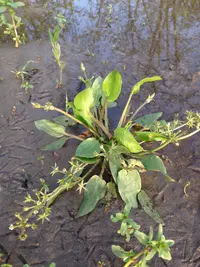
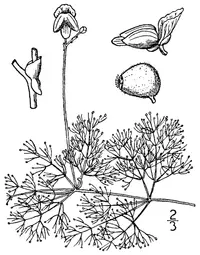
Eastern purple bladderwort, Utricularia purpurea, is a small, free-floating carnivorous aquatic plant. It forms delicate mats of finely divided stems and leaves on the water surface.

Its tiny underwater bladders trap microscopic aquatic animals, supplying nutrients in nutrient-poor lakes, ponds, and quiet wetlands. Purple, snapdragon-like flowers rise above the water and add a soft, ornamental look.

This species naturally occurs in North America, especially in calm, shallow, nutrient-poor waters. It suits experienced growers more than beginners because it needs stable, clean water conditions and no regular potting soil.

Those who want to learn how to care for eastern purple bladderwort should focus on consistent water quality, gentle light, and avoiding competition from faster-growing aquatic plants.

Main Plant Requirements

Care Difficulty

Hard Care

Light Preference

Full Sun

Water Requirements

Aquatic

Temperature Preference

Warm Climate

Hardiness Zone

6–10

Soil Texture

Sandy, Peaty, Organic-rich

Soil pH

Strongly acidic (4.5–5.5)

Soil Drainage

Waterlogged tolerant

Fertilization

Minimal (feed rarely)

Get Personalized Care Plan

Scan your plant to receive care tips personalized for your specific plant

Available on iOS and Android

How to Care for the eastern purple bladderwort

This aquatic carnivorous species prefers bright, gentle light that mimics open, shallow wetlands.

  • Provide 4–6 hours of bright, indirect light or very soft morning sun, avoiding harsh midday sun that can overheat shallow water.
  • Allow light dappled by grasses or reeds; partial shade for 40–60% of the day helps prevent overheating and algal blooms around eastern purple bladderwort.
  • In summer, protect from intense afternoon sun using floating companions or light shade; in cooler seasons, ensure more open exposure to maintain growth.

This free-floating or loosely rooted aquatic plant depends on consistently low-mineral, clean water rather than traditional soil moisture cycles.

  • Keep Utricularia purpurea in rainwater, distilled, or reverse-osmosis water at a depth of 10–40 cm, avoiding tap water with high minerals that damage traps.
  • Do not allow the habitat to dry; shrinking water level, slower growth, and pale foliage indicate insufficient water, while foul smell or cloudy water suggests stagnation.
  • In hot weather, top up with fresh low-mineral water more often to offset evaporation; in cooler months, maintain stable depth but avoid deep, dark, stagnant pools.

This species favors mild to warm conditions and is sensitive to hard frost and prolonged extreme heat.

  • Aim for 70–85°F (21–29°C) during active growth; short periods down to 60°F (16°C) are tolerated but may slow trap activity.
  • Avoid temperatures below 50°F (10°C); light frost can kill foliage and damage underwater bladders, and ice cover can be fatal in shallow containers or small ponds.
  • In hot spells above 90°F (32°C), increase water depth or shade the pond slightly to buffer temperature swings and prevent overheating of surface water.

This aquatic carnivorous species needs very high humidity to stay healthy.

  • Aim for constant 80–100% humidity by keeping the plant in covered water trays, aquaria, or bog setups.
  • Tolerates brief drops to 60–70%, but prolonged dry air causes browning shoot tips, stalled growth, and shrinking leaf segments.
  • Increase humidity with lids, clear covers, or tall terrariums, ensuring some air exchange to prevent stagnant, low-oxygen conditions around eastern purple bladderwort.

This species grows best in nutrient-poor, wet, peaty substrates rather than standard potting soils.

  • Use a loose mix of 2 parts sphagnum peat to 1 part silica sand, keeping the medium waterlogged or shallowly flooded at all times.
  • Ensure the substrate stays soft and low in mineral content, as added fertilizers or hard water salts quickly damage Utricularia purpurea traps and foliage.
  • Aim for acidic conditions around pH 4.5–6.0, avoiding lime, compost, or manures that raise pH or add excess nutrients.
  • Maintain some fibrous structure in the peat to support aeration in the upper layer while allowing fine roots and stolons to spread freely.

This species is suitable for container growing when treated like a mini bog or shallow aquatic setup.

  • Choose a wide, shallow, non-porous container so water depth is easy to control and the medium does not dry along the edges.
  • Use an outer tray or tub to hold a stable water reservoir around the inner pot, preventing sudden fluctuations in water level.
  • Avoid tall, narrow pots that encourage stagnant deep zones; a broad footprint keeps stolons spreading and oxygen exchange more even across the surface.

This aquatic carnivorous species gains most nutrients from prey, so eastern purple bladderwort needs little or no supplemental fertilizer.

Pruning Utricularia purpurea is minimal and mainly keeps growth tidy and healthy.

  • Trim away dead or decaying foliage at any time using clean, sharp scissors to reduce rot in the water.
  • Remove congested or tangled strands to improve light penetration and water movement around the plant.
  • Cut flowering stems after blooming if they look untidy, avoiding removal of healthy green growth.
  • Collect and discard trimmings so they do not decompose in the pond or container and foul the water.

Transplanting is only needed when the plant outgrows its container or needs fresher aquatic substrate.

  • Look for dense, matted growth, slow expansion, or fouling medium as signs Utricularia purpurea benefits from a move.
  • Transplant in late spring to early summer when water temperatures are stable and growth is active.
  • Plan on refreshing containers every 2–3 years rather than disturbing the plant every season.
  • Gently lift and shift clumps into new, clean, low-nutrient aquatic medium, handling strands lightly to limit root and trap damage.

Propagation is usually done by division of vegetative strands rather than by seed.

  • In late spring or summer, select vigorous, pest-free strands from an actively growing colony.
  • Gently separate sections with several healthy bladders and growing tips from the parent mass.
  • Place divisions into clean, shallow, low-nutrient water with gentle circulation and good light.
  • Avoid covering bladders with heavy sediment so traps stay functional and new growth anchors properly.

This species is moderately cold tolerant but container plants may need some winter attention in colder regions.

  • In mild climates, outdoor colonies in unfrozen water usually overwinter without extra measures.
  • Where water may freeze solid, move container-grown plants to a frost-free, cool indoor tank or trough.
  • Maintain cool (40–55°F), bright conditions with stable water levels to prevent desiccation of dormant material.
  • Resume normal warm-season care once days lengthen and new green strands appear.

Care Tips

Use Rainwater Trays

Keep plants in shallow, wide trays or tubs of clean rainwater or RO water 10–20 cm deep so the colonies can spread naturally across the water surface without frequent disturbance.

Minimize Water Movement

Place containers away from strong pumps, waterfalls, or airstones and use only very gentle aeration if needed, since excessive water movement can damage the fine stolons and disrupt feeding bladders.

Algae Growth Control

Limit direct nutrient input (fish food, fertilizer, soil runoff) and shade part of the water surface with floating plants or white shade cloth to reduce algae that can smother the plant mat.

Seasonal Thinning

Once or twice a year, lift and thin dense surface mats with a fine aquarium net, removing older brown sections so younger green growth has better access to light and dissolved oxygen when growing eastern purple bladderwort.

Clean Equipment Practice

Rinse scissors, nets, and any tools in clean water before use and avoid introducing pieces from outdoor ponds to indoor tubs to reduce the risk of transferring snails, hydra, or invasive algae while caring for eastern purple bladderwort.

Common Pests and Diseases

Algal overgrowth

Symptoms include thick green or brown mats coating the water surface and plant stems, reducing light and gas exchange. This problem is common in nutrient-rich, still water around this species.

Solution

Reduce dissolved nutrients by limiting fish food or fertilizer, increase water movement or partial water changes, and remove algae manually with a fine net or siphon. Provide bright but not excessive direct sun and, in containers, consider shading part of the water surface or adding floating plants to outcompete algae.

Filamentous cyanobacteria

This disease appears as slimy, often dark green or blue-green strands that cling to leaves and trap bladders, sometimes with a musty odor. These bacteria can smother fine foliage and disrupt photosynthesis.

Solution

Manually remove as much slime as possible using a soft brush or tweezers, then improve water quality by lowering organic buildup through more frequent small water changes. Increase circulation and light stability, and in containers avoid nutrient-rich substrates or runoff that fuel cyanobacterial growth.

Aquatic snail grazing

These insects are not involved; small aquatic snails chew on fine leaves and bladders, leaving ragged or missing segments. Damage may be localized at first but can spread if snail numbers increase.

Solution

Hand-remove visible snails and egg clusters from stems, container walls, and any hardware. Reduce excess detritus that shelters snails, use physical barriers such as fine mesh in intakes, and, in small setups, temporarily relocate the plant while trapping or manually controlling the snail population.

Aquatic aphids

This pest forms small, soft-bodied clusters on emergent or floating portions of the plant, sucking sap and causing distortion or yellowing of delicate shoots. Infestations may appear where parts of the plant rest against pond edges or equipment.

Solution

Rinse affected areas with a gentle stream of clean water or submerge lightly infested shoots to dislodge aphids. For persistent cases in container culture, apply a dilute insecticidal soap only to emergent foliage and immediately rinse into a separate container, avoiding contamination of the main aquatic habitat.

Interesting Facts

Mostly non-carnivorous diet

Unlike many bladderworts, this species often hosts algae and microscopic animals inside its traps and may obtain much of its nutrition from these symbionts and their waste rather than from active carnivory.

Lake and pond specialist

It typically grows free-floating or loosely anchored in nutrient-poor, still freshwater such as boggy ponds and quiet lake margins, forming loose mats near the surface.

Distinctive purple flowers

Its small, snapdragon-like flowers are usually a soft purple with pale markings and appear well above the water surface, a feature that aids insect pollination in open freshwater habitats.

Botan icon

Did you know?

Field studies indicate that this species can shift along a spectrum from carnivory toward a more commensal or almost mutualistic relationship with the microorganisms in its traps, making it a key example for researchers studying the evolution and flexibility of carnivorous plant strategies.

FAQs about eastern purple bladderwort

Lack of flowering often comes from water that is too clean or low in nutrients, insufficient light, or temperatures that are too cool. Shallow, sunny, nutrient-poor, slightly acidic water usually encourages more reliable flowering in this species.

Grow Healthy Plants with Botan Care

Keep your plants happy and healthy with plant identification, disease detection, and easy care guidance.

Botan plant care app — identify plants on mobile

Explore More Plants