lizard's tail Care (Saururus cernuus)

Also known as: swamp lily
lizard's tail

About lizard's tail

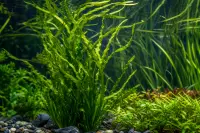
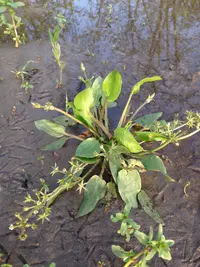
Lizard's tail, Saururus cernuus, is a perennial aquatic or marginal plant native to wetlands, ponds, and slow streams in eastern North America. It forms dense clumps of heart-shaped leaves on upright, green stems.

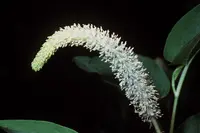
In summer it produces slender, curved white flower spikes that resemble a small tail, giving the plant its common name. Plants spread by rhizomes, so they gradually form colonies in consistently moist or shallow water areas.

This species suits naturalistic ponds, bog gardens, and rain gardens where soil stays wet. It is generally easy to grow if moisture is reliable, which simplifies how to care for lizard's tail.

Main Plant Requirements

Care Difficulty

Moderate Care

Light Preference

Partial Shade

Water Requirements

Aquatic

Temperature Preference

Cold Hardy

Hardiness Zone

4–9

Soil Texture

Loamy, Clay, Organic-rich

Soil pH

Acidic (5.5–6.5), Slightly acidic (6.5–7.0)

Soil Drainage

Waterlogged tolerant

Fertilization

Minimal (feed rarely)

Get Personalized Care Plan

Scan your plant to receive care tips personalized for your specific plant

Available on iOS and Android

How to Care for the lizard's tail

This wetland perennial prefers bright conditions with protection from harsh afternoon sun.

  • Provide 3–6 hours of direct morning sun with light or dappled shade after midday, especially in hotter regions.
  • Plant lizard's tail where it receives open, filtered light near ponds or along stream edges; dense shade leads to sparse, leggy growth and fewer flower spikes.
  • In hotter summers, monitor for leaf scorch on exposed plants and increase shade, while in cooler climates it tolerates more direct sun without stress.

This species is adapted to constantly moist to shallowly flooded conditions.

  • In natural or garden ponds, allow water to cover the crown by 0–10 cm; in very wet soil, avoid letting the surface dry out at any time.
  • Check soil or muck often in summer; if the top 2–3 cm feel less than damp, increase irrigation or water depth for Saururus cernuus.
  • Yellowing, limp foliage without saturated soil usually indicates underwatering, while blackened, foul-smelling roots point to stagnant, oxygen-poor conditions rather than simple overwatering.

This hardy marginal aquatic tolerates a wide temperature range when its roots stay wet.

  • Active growth is strongest around 65–80°F (18–27°C); shoots may slow outside this range but established rhizomes remain stable.
  • The plant survives winter dormancy down to about 0–10°F (-18–-12°C) when rooted in the ground or pond margins and insulated by water or mulch.
  • During heat waves above 90°F (32°C), higher water levels and light afternoon shade reduce stress and help prevent leaf scorch and wilting.

This semi-aquatic species prefers consistently high humidity and moist air to thrive.

  • Aim for 60–90% humidity, similar to boggy or pond-edge conditions, especially in warm weather.
  • It tolerates brief dips to 40–50% humidity if roots stay saturated, but foliage may grow smaller.
  • Crisping leaf tips, folding leaves, and slowed growth indicate humidity stress or drying conditions.
  • Increase humidity by grouping plants near water features, using trays of water and stones, or siting at a pond margin.

This wetland plant requires saturated, organic-rich soil that mimics shallow pond or marsh edges.

  • Use a heavy loam rich in organic matter, such as 2 parts loamy topsoil to 1 part compost, to hold moisture and nutrients.
  • Soil should stay waterlogged or submerged by a few cm, with no conventional drainage holes in aquatic setups.
  • Slightly acidic to neutral pH (6.0–7.0) supports nutrient availability and stable growth for Saururus cernuus.
  • Avoid sandy, fast-draining, or rocky mixes that dry quickly, and do not add perlite, which tends to float and disturb roots.

This species can grow in containers when they are managed as water gardens or bog pots.

  • Choose a wide, heavy container to anchor spreading rhizomes and prevent tipping in shallow water.
  • Use a solid pot without drainage holes and submerge it so the soil surface sits just below or at water level.
  • Place the container where water movement is gentle so roots are not disturbed and soil does not wash out.

This wetland perennial grows well with modest feeding, especially in containers or nutrient-poor sites, when caring for lizard's tail.

  • Use a balanced, water-soluble fertilizer (around 10-10-10) at 1/2 strength for potted plants during spring–summer.
  • Apply every 4–6 weeks while growth is active, especially where water flow leaches nutrients.
  • In rich garden or pond soils, use a light top-dressing of compost instead of frequent liquid feeds.
  • Stop fertilizing in fall and winter when growth slows or foliage dies back.

Pruning Saururus cernuus is mainly done to manage spread and keep stands tidy.

  • Cut back dead, damaged, or yellowing stems in late fall or very early spring before new shoots emerge.
  • Thin crowded shoots at the base to improve water flow and reduce disease risk in dense clumps.
  • Shear or trim outer edges lightly in mid to late summer if a neater outline is desired.
  • Use clean, sharp pruners or scissors; disinfect blades when working in multiple ponds or beds.

This moisture-loving perennial is more often transplanted or divided than repotted.

  • Transplant or divide in early spring or early fall when temperatures are mild and soil is moist.
  • Look for roots circling pond baskets, plants lifting from the soil, or declining vigor as signs it needs more space.
  • Plan on dividing clumps every 2–4 years to refresh growth and prevent overcrowding in shallow water areas.
  • Lift carefully with a trowel or fork, keep roots wet, replant at the same depth, then water thoroughly to reduce stress.

Saururus cernuus is commonly propagated by division and rhizome sections.

  • Divide established clumps in early spring as new shoots appear, separating rhizomes with several buds each.
  • Replant divisions into consistently wet, rich soil or shallow water, keeping the crown just at or above soil level.
  • Rhizome cuttings root best in warm conditions with 60–75°F water or soil and steady moisture.
  • Seed propagation is possible but slow; sow fresh seed in cold frames or trays kept consistently damp.

This species is generally cold hardy in much of the US and needs minimal winter care in the ground.

  • In zones near its hardiness limit, add a 5–8 cm mulch layer over the root zone once the soil cools.
  • Allow top growth to die back naturally; remove mushy stems in late winter or early spring.
  • For container plants, sink pots into the ground or move them into a cold but frost-free space to protect roots.

Care Tips

Aquatic Containment

Plant in a wide, shallow container or lined pond basket sunk into the margin to stop rhizomes from spreading aggressively through the whole water garden.

Margin Depth Control

Position crowns so they sit just at or slightly below the water surface (0–5 cm) and adjust shelf height seasonally so foliage never sits in deep, stagnant water.

Divide For Vigor

Lift and divide congested clumps every 2–3 years in early spring, replanting only firm, white rhizomes and discarding dark or mushy pieces to maintain strong growth.

Bank Erosion Use

On gently sloping pond edges or streambanks, plant dense rows along the waterline to help stabilize soil and reduce erosion while taking advantage of the plant’s spreading habit.

Wildlife-Safe Pest Control

If aphids or chewing insects appear on foliage above water, use a targeted insecticidal soap spray applied in calm weather and avoid letting excess product drip directly into ponds with fish or amphibians when caring for lizard's tail.

Common Pests and Diseases

Leaf spot

This disease causes irregular brown to dark-purple spots on leaves, often starting along water-splashed edges in crowded, wet colonies. Symptoms include coalescing lesions that thin the leaf blade and can lead to early dieback in midsummer heat.

Solution

Remove and discard heavily spotted leaves to reduce inoculum, and thin dense patches so water can move more freely and foliage dries faster. Avoid overhead irrigation, limit nutrient-rich runoff that encourages soft growth, and if persistent in garden ponds, consider improving water circulation or temporarily lowering plant density in the affected area.

Rust

This disease appears as orange to rusty-brown pustules on the undersides of leaves, sometimes with yellowing on the upper surface. Symptoms include premature leaf drop in warm, humid weather along slow-moving or stagnant water.

Solution

Cut and remove infected leaves and any heavily affected stems as soon as pustules are seen, then dispose of them away from the pond or wetland bed. Improve air movement over the colony by spacing clumps, reducing tall surrounding vegetation, and avoid overhead watering; in ornamental plantings with recurring problems, schedule sanitation pruning at the end of the growing season to limit overwintering spores.

Aphids

These insects cluster on young shoots and leaf undersides, sucking sap and causing curling, distortion, and sticky honeydew that can lead to sooty mold. This pest is more common on nutrient-enriched or slow-moving marginal plants and can weaken new growth.

Solution

Rinse colonies off stems and leaves with a firm stream of clean water, repeating every few days until numbers drop. Encourage natural predators such as lady beetles by avoiding broad-spectrum insecticides nearby, and if populations remain high, use a labeled insecticidal soap or horticultural oil, applying in the early morning and keeping spray out of open water where possible.

Spider mites

These pests thrive on plants growing in hot conditions at the water’s edge where foliage dries between wettings, causing fine stippling, dulling, and occasional webbing on leaves. Symptoms include bronzing and early leaf drop on stressed clumps, especially in containers or shallow, warm ponds.

Solution

Increase humidity around the foliage by lightly hosing plants and surrounding rocks, and wash leaf undersides with a strong but controlled water spray to dislodge mites. Remove and discard heavily infested leaves, and if needed use a labeled miticidal soap or horticultural oil, taking care to avoid overspray into ponds containing fish or sensitive aquatic life.

Interesting Facts

Hooked flower spikes

The drooping white flower spikes curve at the tip, giving a hook or lizard-tail appearance caused by uneven growth along the inflorescence axis and the weight of the densely packed tiny flowers.

Water edge specialist

This species naturally anchors in shallow water, saturated soil, or wet mud along streams and pond margins, where its creeping rhizomes stabilize soft sediments and help reduce erosion.

Distinctive leaf scent

When crushed, the heart-shaped leaves release a strong, peppery or root beer-like aroma, which comes from volatile compounds stored in leaf tissues and has led to several folk names for the plant.

Botan icon

Did you know?

This species can form extensive clonal colonies through rhizomes, with many above-ground stems genetically identical and connected below the surface, allowing long-term persistence at a site even if individual shoots are periodically damaged or removed.

FAQs about lizard's tail

This species spreads by creeping rhizomes and can form dense colonies in shallow water or wet soil. In small ponds or rain gardens, it may need regular thinning or rhizome barriers to prevent unwanted takeover of planting space.

Grow Healthy Plants with Botan Care

Keep your plants happy and healthy with plant identification, disease detection, and easy care guidance.

Botan plant care app — identify plants on mobile

Explore More Plants