Flattened Ahnfelts seaweed Care (Ahnfeltiopsis linearis)

Flattened Ahnfelts seaweed

About Flattened Ahnfelts seaweed

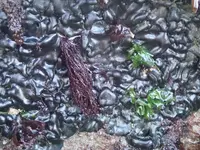
Flattened Ahnfelts seaweed (Ahnfeltiopsis linearis) is a red marine alga with thin, flattened, strap-like fronds that form low mats on rocky shores. It attaches firmly to hard surfaces and often grows among other intertidal seaweeds.

This species occurs mainly in cool to temperate coastal waters, frequently in the mid to lower intertidal zone where it is exposed and submerged with the tides. It is adapted to strong light, constant water movement, and regular saltwater coverage, which makes it challenging to maintain in home aquariums.

Those wanting to learn how to care for Flattened Ahnfelts seaweed should know it prefers clean, well-oxygenated seawater, stable salinity, and secure attachment points rather than typical freshwater or soil-based setups.

Main Plant Requirements

Care Difficulty

Hard Care

Light Preference

Partial Shade

Water Requirements

Aquatic

Temperature Preference

Cool Climate

Hardiness Zone

Unknown

Soil Texture

Sandy, Rocky, Organic-rich

Soil pH

Slightly acidic (6.5–7.0)

Soil Drainage

Waterlogged tolerant

Fertilization

Minimal (feed rarely)

Get Personalized Care Plan

Scan your plant to receive care tips personalized for your specific plant

Available on iOS and Android

How to Care for the Flattened Ahnfelts seaweed

This red seaweed thrives in cool, clear, well‑lit coastal water rather than direct terrestrial sun exposure.

  • In the wild, Ahnfeltiopsis linearis grows best where underwater light is bright but filtered, similar to 4–6 hours of gentle morning sun passing through shallow water.
  • It tolerates partial shade from rocks or larger seaweeds; too little light leads to thinner, elongated fronds and dull color over several weeks.
  • Strong midday summer sun in very shallow water can cause bleaching and tissue damage, so slightly deeper or shaded positions are safer for Flattened Ahnfelts seaweed.

This marine alga depends on stable seawater rather than soil moisture in the usual horticultural sense.

  • In nature, Ahnfeltiopsis linearis is fully submerged, so tissue should never dry out; exposed, desiccated fronds feel brittle and lose color, indicating severe underwatering stress.
  • Water quality is more critical than frequency: stable salinity, low pollution, and good water movement reduce rot and biofilm buildup on the blades.
  • Signs of stress from poor hydration conditions include fading red color, thinning fronds, and localized decay, often starting where water circulation is weakest.

This species performs best in cool, temperate marine conditions and is sensitive to strong thermal extremes.

  • Optimal growth occurs around 46–59°F (8–15°C), typical of cool coastal waters, with best color and texture in the lower half of this range.
  • It can tolerate short dips near 32°F (0°C) in winter but prolonged freezing or ice scour damages fronds and can detach holdfasts from rock.
  • Sustained temperatures above 64–68°F (18–20°C) slow growth, encourage epiphytic overgrowth, and may lead to tissue breakdown if combined with low water movement.

This red seaweed needs consistently high moisture around the fronds rather than typical room air humidity.

  • Aim for 70–100% humidity by submerging it fully in clean, aerated seawater or a marine aquarium system.
  • Dry or heated indoor air quickly desiccates tissues, leading to brittle, bleached, or curling fronds in Flattened Ahnfelts seaweed.
  • Increase moisture by maintaining continuous water circulation, avoiding strong surface agitation that exposes fronds, and preventing any period of drying out.

Ahnfeltiopsis linearis does not use terrestrial soil and instead anchors to hard marine substrates.

  • Mimic natural conditions by attaching it to clean rocks, shells, or artificial reef structures rather than placing it in sand or any soil mix.
  • Allow moderate water flow around the holdfast so fine sediments do not smother attachment points or trap decaying organic matter.
  • Maintain stable, marine-appropriate pH and salinity, since shifts in water chemistry stress the alga more than any substrate variation.
  • Avoid burying the holdfast in mud, packed sand, or gravel, which reduces water movement, increases anoxia, and promotes rot.

This species can be grown in marine aquarium containers when water movement and attachment are managed carefully.

  • Use a stable, low-profile rock structure in the container so currents do not dislodge the thallus during regular flow or cleaning.
  • Position the alga where it receives steady but not blasting water movement, preventing both stagnation and physical damage from strong jets.
  • Avoid narrow, tall vessels that limit horizontal water circulation and instead use broader tanks or trays that keep fronds fully submerged and evenly flushed.

This marine alga gains most nutrients from seawater, so Flattened Ahnfelts seaweed grown in tanks needs only minimal supplemental fertilization.

  • Use a very dilute balanced NPK fertilizer formulated for marine aquaria at 1⁄4 strength to avoid nutrient shock or algal imbalance.
  • Feed during active growth once every 2–4 weeks, monitoring water quality for nitrate and phosphate buildup.
  • Reduce or stop dosing in winter or when growth slows to keep nutrient levels stable and prevent stressing the thallus.

Pruning Ahnfeltiopsis linearis is mainly corrective, aimed at maintaining healthy, uncongested fronds in cultured setups.

  • Trim away dead, bleached, or damaged segments with small sharp scissors to limit decay and biofilm buildup.
  • Thin crowded fronds to improve water flow and light penetration, which supports more even growth.
  • Shape clumps by cutting back overly long strands, encouraging denser mats rather than straggling growth.
  • Disinfect tools before use to reduce the risk of transferring pathogens between culture tanks.

Tank-grown specimens are only transplanted when overcrowded or when water flow and light distribution decline.

  • Transplant when growth becomes dense, fronds shade each other, or attachment points are fully covered.
  • Carry out moves during peak growth seasons, avoiding periods of heat stress or very low light.
  • Gently detach fronds from old substrates and reattach to clean rock or mesh, keeping tissues submerged at all times.
  • Limit handling time and sudden salinity or temperature shifts to minimize transplant shock and tissue damage.

Propagation of Ahnfeltiopsis linearis in culture is usually done vegetatively rather than from spores.

  • Take small healthy frond sections during active growth and secure them to rock, shells, or mesh supports.
  • Provide stable salinity, moderate water movement, and adequate light for new holdfasts to form.
  • Avoid very large pieces; smaller fragments establish more evenly and are less prone to detaching.
  • Maintain clean conditions with controlled nutrients to prevent faster-growing algae from overgrowing young fragments.

Outdoor populations in their native coastal range are naturally cold tolerant and usually need no special winter care.

  • For cultured systems in cool climates, prevent prolonged freezing of tanks or sumps to avoid tissue damage.
  • Maintain salinity despite winter rain dilution by monitoring and adjusting with marine salt mix.
  • If using shallow outdoor tanks, move valuable culture stock indoors or to deeper, more thermally stable systems.

Care Tips

Algae-safe mounting

Attach the thallus to inert, non-calcareous substrates like smooth rocks or acrylic plates using soft mesh or elastic thread so the holdfast can grip without being crushed or shaded.

Flow pattern management

Place cultures where there is a lateral, laminar water flow across the fronds rather than direct jets, using spray bars or diffusers to avoid tissue damage and to keep surfaces free of sediment.

Light acclimation staging

When moving from low to higher light, raise intensity in 10–20% steps every few days and watch for bleaching at the tips, then pause increases until color stabilizes.

Biofilm and fouling control

Gently rub surfaces with gloved fingers or a soft brush once a week to remove early film algae and silt, which helps maintain gas exchange and reduces smothering of the thin blades.

Seasonal nutrient adjustment

During peak growth periods, slightly increase water changes or controlled nutrient dosing while monitoring for nuisance algae, then reduce inputs and extend intervals once growth naturally slows to keep growing Flattened Ahnfelts seaweed stable over time.

Common Pests and Diseases

Epiphytic filamentous algae

Symptoms include a fuzzy, filament-like overgrowth on the thallus surface that can shade and stress the seaweed. This pest competes for light and nutrients and is common on cultured or tank-kept red algae.

Solution

Improve water movement and maintain stable, appropriate nutrient and light levels so the host seaweed is not stressed. In culture tanks, gently remove excess filaments by hand or with soft brushes and adjust stocking density or light intensity to reduce chronic overgrowth as part of Ahnfeltiopsis linearis care.

Biofouling invertebrates

This pest group includes small tube worms, bryozoans, and barnacle larvae that settle on the thallus and form crusts or tubes. These organisms increase drag, shade the tissue, and can cause localized damage where they attach.

Solution

Limit settlement by maintaining moderate water flow and avoiding stagnant areas in culture systems. Manually remove larger fouling patches, use fine mechanical filtration or regular tank cleaning to reduce larval load, and keep stocking density lower so thalli are easier to inspect and clean.

Bacterial thallus rot

This disease causes softening, discoloration, and breakdown of localized thallus areas, often starting at damaged or stressed tissue. This disease is usually associated with opportunistic marine bacteria that exploit wounds or abrupt environmental shifts.

Solution

Reduce stress by stabilizing salinity, temperature, and light, and avoid physical damage during handling. Remove and discard rotting sections promptly, improve water circulation and cleanliness, and in culture systems carry out partial water changes and equipment sanitation to lower bacterial load.

Oomycete infection

This disease is caused by water molds that invade weakened tissue, producing pale, necrotic patches and sometimes a cottony or slimy surface. This disease often follows mechanical injury or exposure to polluted water.

Solution

Improve overall water quality, including reducing organic waste and sediment, and keep temperature and salinity within the preferred range for the species. Cut away heavily affected areas, dispose of infected material, disinfect culture equipment, and avoid overcrowding to limit spread in enclosed systems.

Interesting Facts

Distinctively flattened blades

This red alga forms narrow, strongly flattened blades that are typically only 0.5–2 mm wide, a feature that helps distinguish it in the field from many other filamentous or cylindrical seaweeds on similar shores.

High-shore red alga

It commonly grows in the upper to mid-intertidal zone on rock surfaces, where it tolerates frequent exposure to air, fluctuating temperatures, and strong light compared with many other red seaweeds.

Calcareous habitat preference

Populations are especially common on coasts with calcareous rock or shell-rich substrates, where the slightly higher local alkalinity appears to favor its growth and persistence.

FAQs about Flattened Ahnfelts seaweed

This red seaweed is edible and sometimes used as a minor food or garnish in coastal regions. Only harvest from clean, non-polluted waters, and avoid areas with heavy boat traffic, sewage outfalls, or potential industrial contamination.

Grow Healthy Plants with Botan Care

Keep your plants happy and healthy with plant identification, disease detection, and easy care guidance.

Botan plant care app — identify plants on mobile

Explore More Plants