Edge Containment
Use shallow plastic or stone edging around the planting area to prevent this plant from creeping into neighboring beds or lawn, trimming any stolons that cross the barrier every 1–2 weeks during the growing season.

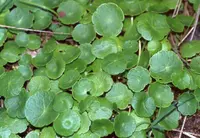
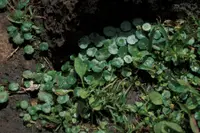
Marsh pennywort (Hydrocotyle vulgaris) is a low, creeping aquatic or bog plant that forms dense mats of round, shallowly lobed leaves on thin trailing stems. It often grows at pond edges, marshes, and wet meadows in Europe and parts of western Asia, rooting at the nodes as it spreads.
The plant stays small and compact, which makes it suitable for shallow water gardens and naturalistic wet areas. Its preference for constant moisture and cool, mild conditions is the main factor that influences how easy it is to grow.
When learning how to care for Marsh pennywort, it helps to remember that it is adapted to saturated soils, gentle light, and nutrient-rich, muddy or peaty substrates.

Care Difficulty
Moderate Care

Light Preference
Partial Sun

Water Requirements
Aquatic

Temperature Preference
Cool Climate

Hardiness Zone
5–9

Soil Texture
Loamy, Silty, Organic-rich

Soil pH
Acidic (5.5–6.5), Slightly acidic (6.5–7.0)

Soil Drainage
Waterlogged tolerant

Fertilization
Light (every 4–6 weeks)
Scan your plant to receive care tips personalized for your specific plant
Available on iOS and Android
Hydrocotyle vulgaris thrives in bright shade to soft sun, similar to its natural pond and marsh edges.
This semi-aquatic species prefers consistently wet conditions and does not tolerate drying out.
This plant prefers cool to mild conditions and tolerates a fairly wide outdoor temperature range.
This species benefits from consistently high humidity similar to wetland edges.
Hydrocotyle vulgaris prefers constantly moist, organic-rich substrates that mimic shallow marsh or pond margins.
This species is well suited to container culture, especially in water gardens, bog containers, or saucer-kept pots.
Hydrocotyle vulgaris grows in nutrient-rich, wet habitats and benefits from light feeding in containers.
Hydrocotyle vulgaris responds well to light, periodic pruning to maintain shape and density.
This species spreads fast in wet soil or shallow water, so transplanting or dividing is often more relevant than classic repotting.
Hydrocotyle vulgaris is commonly multiplied by division and stem runners, which root readily in wet substrates.
This hardy aquatic or bog plant tolerates typical temperate winters in-ground with minimal intervention.

Plant Health Check
Not sure what's wrong with your plant? Check your plant's health inside the app.
This species is native to bogs, marshes, and pond margins across western and central Europe, where it often forms low, creeping mats at the edges of shallow water.
Stems can root at nodes in wet soil or extend into shallow water, where the rounded leaves may float at the surface while the petioles stay flexible and elongated.
The nearly circular leaves have veins that radiate from a point near the center, giving an umbrella-like pattern that helps distinguish it from unrelated plants with similar round leaves.

In parts of its native range, this species is considered an indicator of long-standing, relatively undisturbed wetlands, so its presence can help ecologists assess the conservation value and history of marsh and fen habitats.
Yellowing foliage often comes from water stress, nutrient deficiency, or low light. Constant flooding without oxygen, or letting the substrate dry completely, both cause problems. Check moisture, improve drainage, and consider a balanced aquatic-safe fertilizer to correct deficiencies.
Keep your plants happy and healthy with plant identification, disease detection, and easy care guidance.

-1-200x150.webp)