ovate spikerush Care (Eleocharis ovata)

Also known as: oval spike-rush
ovate spikerush

About ovate spikerush

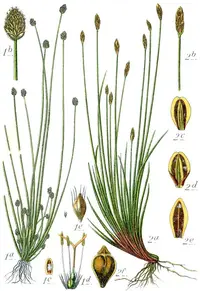
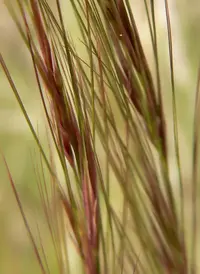
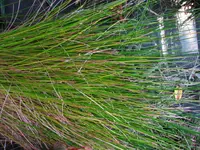
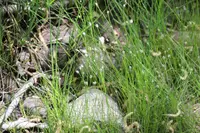
Eleocharis ovata, commonly called ovate spikerush, is a small, clumping sedge-like plant typically found along the edges of ponds, ditches, and wet meadows. It forms low tufts of fine, leafless stems topped with tiny, egg-shaped flower spikes. Native to moist temperate regions of North America and parts of Europe, it often grows in shallow water or saturated soils. This species is adapted to fluctuating water levels and poor, muddy substrates, which makes it resilient in the right conditions but unsuitable for dry garden beds. Light to moderate sun and consistently wet soil are the main factors that influence how to care for ovate spikerush.


Main Plant Requirements

Care Difficulty

Moderate Care

Light Preference

Full Sun

Water Requirements

Aquatic

Temperature Preference

Cold Hardy

Hardiness Zone

4–8

Soil Texture

Loamy, Silty, Organic-rich

Soil pH

Acidic (5.5–6.5), Slightly acidic (6.5–7.0)

Soil Drainage

Waterlogged tolerant

Fertilization

Minimal (feed rarely)

Get Personalized Care Plan

Scan your plant to receive care tips personalized for your specific plant

Available on iOS and Android

How to Care for the ovate spikerush

This wetland sedge thrives in open, bright conditions but tolerates some shade in the landscape.

  • Provide 4–8 hours of direct sun daily; morning sun with light afternoon shade reduces stress in hot summers.
  • Allow light to moderate partial shade; in 2–4 hours of sun, growth becomes looser and flowering may decrease but plants usually persist.
  • Watch for pale, weak stems in deep shade as a sign of too little light, and for crisp, brown tips under intense all-day sun, especially during drought.

This species prefers consistently wet to shallowly flooded conditions rather than fluctuating wet–dry cycles.

  • In natural or rain-fed sites, aim for saturated soil or 0–5 cm of standing water; do not let the root zone dry out between rains.
  • In managed beds, moisten soil whenever the surface begins to lose its sheen but before it feels dry; Eleocharis ovata declines quickly if soil dries deeply.
  • Yellowing, soft stems and foul odor indicate stagnant, anoxic conditions, while limp, gray-green foliage and shrinking clumps signal chronic underwatering.

This temperate wetland plant handles a wide range of outdoor temperatures when moisture is stable.

  • Optimal active growth occurs around 60–75°F (16–24°C), with steady moisture supporting dense, upright clumps.
  • Plants tolerate winter cold near 14–23°F (-10 to -5°C) when established; foliage may die back, but crowns often survive and resprout in spring.
  • In hot spells above 86°F (30°C), maintain high soil moisture or shallow standing water to prevent stress, browning, and thinning stands.

This wetland sedge needs sustained high humidity and constant moisture to grow well.

  • Aim for 70–100% humidity, mimicking marshy or boggy conditions around ovate spikerush.

  • It tolerates brief dips to 50–60% but dries quickly and declines in heated, low-humidity rooms.
  • Crisping tips or stalled growth signal air too dry; group plants, use pebble trays, or place near a humidifier.

Eleocharis ovata thrives in saturated, fine-textured, organic-rich substrates.

  • Use a heavy mix of 50–70% loam or clay garden soil with 30–50% peat or coco coir to hold water.
  • Allow very slow drainage or a consistently waterlogged setup, such as a pond margin or standing water tray.
  • Target slightly acidic to neutral pH around 5.5–7.0, avoiding strongly alkaline or salty substrates.
  • Avoid coarse, fast-draining, sandy mixes that dry out quickly, and prevent compaction by lightly breaking the surface if it crusts.

This species is suitable for container growing when the setup can maintain constant saturation.

  • Choose a wide, shallow tub or bowl so spreading shoots can root while water covers or saturates the surface.
  • If using drainage holes, stand the pot in an outer watertight cachepot or tray that stays filled several cm deep.
  • Select sturdy, non-porous containers to reduce evaporation and prevent tipping when filled with heavy saturated substrate.

This wetland native needs only modest feeding, as ovate spikerush is adapted to low-nutrient conditions.

  • If growth is weak in containers, use a balanced 10-10-10 or 14-14-14 slow-release fertilizer at half strength in spring.
  • Apply a light topdressing of fine compost once in spring for in-ground plantings, avoiding thick layers over crowns.
  • Feed only during the active growing season; stop additional fertilizer in fall and winter to prevent soft, weak growth.
  • Rinse foliage after fertilizing in containers to prevent salt buildup, which can damage fine roots and shoots.

Pruning Eleocharis ovata is minimal and mainly supports tidiness and healthy regrowth.

  • Best time for pruning is late winter to early spring before strong new growth starts.
  • Cut back dead, yellow, or damaged culms with clean scissors or hand shears close to the base.
  • Thin out congested clumps by removing the oldest, densest sections to improve light and air movement.
  • Avoid cutting into actively green, healthy shoots, as this can slow growth and weaken the stand.

This species is usually grown in wet ground or shallow water, so care focuses on dividing and transplanting dense clumps.

  • Transplant when clumps become crowded, growth slows, or stems appear thinner at the center.
  • Best timing is early spring or early fall, when temperatures are mild and soil moisture is high.
  • Lift clumps carefully, tease or cut into sections with healthy roots, and replant at the same depth in saturated soil.
  • Keep newly moved plants consistently wet and shaded for 3–7 days to reduce transplant shock and support root recovery.

Multiplying Eleocharis ovata is most reliable by division, with seed used mainly for habitat or restoration work.

  • Divide mature clumps in early spring when new shoots first appear and soil is moist but workable.
  • Cut clumps into small sections with several shoots and healthy roots, then replant into shallow, consistently wet soil.
  • For seed, sow fresh seed on the surface of wet, fine-textured soil and do not cover heavily.
  • Maintain cool to mild temperatures and constant moisture until seedlings establish, then thin to prevent overcrowding.

This cold-hardy wetland sedge typically requires little special winter care in most temperate climates.

  • Tolerates normal frost and brief freezing, especially when crowns are in saturated soil or shallow water.
  • In colder zones, apply a thin mulch around the root zone of soil-grown plants after the ground cools.
  • For container specimens, move pots into a sheltered, unfrozen location or sink containers into the ground for insulation.

Care Tips

Water-level management

In container or pond culture, mark an ideal waterline on the pot or liner and top up with dechlorinated water to keep the crown just at or slightly below the surface, preventing both desiccation and prolonged submergence of growing points.

Nutrient zoning

When planting in a pond basket, place a slow-release aquatic fertilizer tablet deep in the substrate and cap with 2–3 cm of sand so nutrients reach the roots while keeping the water column relatively low in dissolved nutrients, which helps limit algal blooms.

Seasonal thinning

At the end of the growing season, cut and remove older, yellowing culms while leaving firm green ones, which reduces rotting material in the water and encourages denser, healthier new growth in spring.

Edge containment

In naturalistic plantings, use shallow root barriers or submerged edging strips to keep this rhizomatous species from spreading into adjacent planting zones, making long-term maintenance simpler and more controlled when growing ovate spikerush.

Oxygenation support

Combine plantings with a gentle water movement source, such as a low-flow pump or nearby fountain, to improve oxygen levels around the root zone and help prevent anaerobic conditions that can weaken plants in heavy, saturated substrates.

Common Pests and Diseases

Algal overgrowth

Symptoms include bright green, slimy mats on the soil surface and lower stems, especially in shallow, still water. This condition competes with the plant for light and can trap fine sediment around the shoots.

Solution

Reduce nutrient loading by cutting back on fertilizer and avoiding runoff rich in fish waste or manure, increase water movement or gentle aeration, and manually skim or siphon off algal mats. In containers, periodically refresh part of the water and thin dense clumps of plants to improve light penetration and circulation.

Aquatic snails

These pests feed on soft young shoots and can rasp away tissue at the base of stems, leading to ragged growth and slow stand establishment. Damage is most noticeable in newly planted containers or restored wetland margins.

Solution

Hand-pick larger snails during routine maintenance and reduce hiding places by clearing heavy debris around clumps. In controlled water gardens or tubs, use fine mesh barriers, snail traps, or brief emersed periods (temporarily lowering water level if other species tolerate it) to disrupt their activity without resorting to broad-spectrum molluscicides.

Leaf spots

This disease causes small to medium brown or dark olive spots on culms and sheaths, sometimes with a yellow halo, leading to early dieback of affected shoots. Prolonged warm, wet, stagnant conditions favor spread across dense patches.

Solution

Trim and remove heavily spotted shoots, dispose of them away from the waterbody, and avoid letting cut material decay in place. Improve water circulation, reduce overcrowding by thinning clumps, and if grown in containers avoid overhead splashing from dirty or nutrient-rich water that can spread spores.

Fungal crown blight

This disease produces localized browning and collapse at the crown where stems emerge, often starting in older, shaded centers of dense clumps. Symptoms include thinning patches and weak, easily detached shoots at the base.

Solution

Cut out and discard affected centers, then divide and replant only firm, pale, healthy crowns into clean, low-organic substrate. Maintain moderate water movement, avoid deep organic muck buildup around the base, and in containers periodically rinse or replace the top layer of substrate to keep the crown zone oxygenated as part of long-term Eleocharis ovata care.

Interesting Facts

Specialist of temporary pools

This sedge-like species is tightly associated with shallow, seasonally flooded pools and muddy depressions that dry out in summer, which limits it to very specific microhabitats across its range.

Tiny but distinctive spikelets

It can be recognized by its small, nearly spherical to broadly ovate spikelets and comparatively few, short stems, which distinguish it from many other, more tufted spikerush species.

Patchy North American distribution

Although widespread in concept, it occurs in scattered, often disjunct populations across parts of eastern and central North America, reflecting the fragmented nature of suitable ephemeral wetland habitat.

FAQs about ovate spikerush

This species spreads by short rhizomes and self-seeding, but it is usually not aggressively invasive in managed gardens. In shallow, consistently wet areas it can slowly form clumps or small patches rather than dense, choking mats.

Grow Healthy Plants with Botan Care

Keep your plants happy and healthy with plant identification, disease detection, and easy care guidance.

Botan plant care app — identify plants on mobile

Explore More Plants