Water Depth Management
In ponds or containers, adjust water depth seasonally, keeping crowns just submerged in cool seasons and allowing 2–10 cm of water above the crowns in warm weather to maintain vigorous growth and prevent stress.

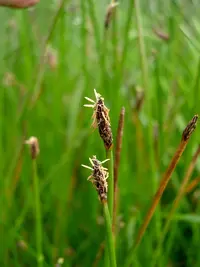
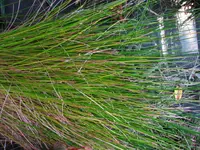
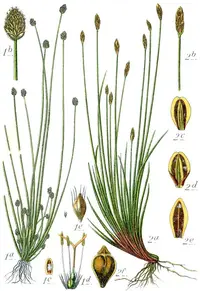
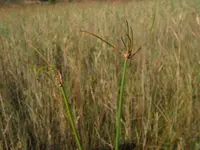
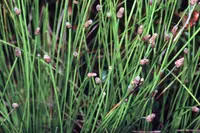
Pale spikerush (Eleocharis macrostachya) is a perennial wetland sedge that forms dense, upright clumps of fine, leafless stems. It has a simple, grass-like look with small, pale seed heads at the tips. This species is native to wetlands, pond margins, and seasonally flooded areas across much of North America. It spreads by rhizomes, creating natural-looking colonies in shallow water or consistently moist soil. It is generally tough and low-maintenance if kept in the right conditions, but it declines quickly in dry or deeply shaded spots. Understanding how to care for pale spikerush starts with providing steady moisture and plenty of light.

Care Difficulty
Moderate Care

Light Preference
Full Sun

Water Requirements
Aquatic

Temperature Preference
Cold Hardy

Hardiness Zone
3–9

Soil Texture
Sandy, Loamy, Silty

Soil pH
Acidic (5.5–6.5), Slightly acidic (6.5–7.0)

Soil Drainage
Waterlogged tolerant

Fertilization
Minimal (feed rarely)
Scan your plant to receive care tips personalized for your specific plant
Available on iOS and Android
This wetland sedge thrives in full sun but tolerates some light shade, especially in hot summers.
This species prefers consistently wet to shallowly flooded conditions rather than fluctuating wet-dry cycles.
This hardy wetland plant tolerates a wide temperature range but grows best in mild to warm conditions.
This wetland sedge prefers very humid conditions close to saturation.
This species thrives in saturated, fine-textured substrates that stay wet rather than in conventional potting mixes.
This sedge is suitable for containers, especially in water gardens and bog planters.
Eleocharis macrostachya usually needs only light feeding, especially when used as a native wetland or pond plant.
Pruning Eleocharis macrostachya is mainly cosmetic and helps keep clumps tidy and healthy.
This species is more often transplanted in wetland or pond margins than repotted as a houseplant.
Propagation of Eleocharis macrostachya is straightforward and usually done by division rather than seed.
This species is generally cold hardy in much of its native range and usually needs minimal winter care outdoors.

Plant Health Check
Not sure what's wrong with your plant? Check your plant's health inside the app.
This species is native to much of western and central North America, from Canada to Mexico, and is especially common in lowland wetlands, irrigation ditches, and seasonally flooded fields.
It thrives in habitats that alternate between shallow standing water and saturated soil, using rhizomes and dense root systems to tolerate both inundation and brief dry periods.
Its dense, fibrous root and rhizome network helps bind soil and reduce erosion on pond margins, streambanks, and constructed wetlands, providing structure and habitat for aquatic invertebrates and small vertebrates.

This species is often used in wetland restoration and water treatment projects, where its tolerance of fluctuating water levels and saturated, low-oxygen soils makes it valuable for stabilizing shorelines and supporting nutrient filtering in constructed wetlands.
This species spreads by short rhizomes and dense clumping, usually forming patches rather than running aggressively. In suitable wet soils it can expand steadily, so edging, containers, or periodic division help keep it within bounds.
Keep your plants happy and healthy with plant identification, disease detection, and easy care guidance.