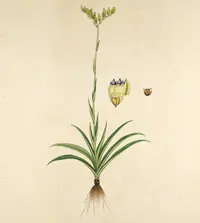
Starfruit Care (Damasonium alisma)

Starfruit

About Starfruit

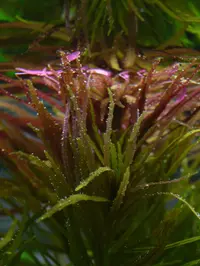
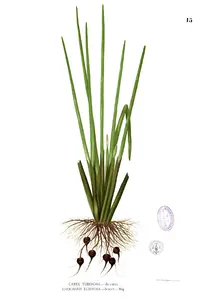
Starfruit, Damasonium alisma, is a small aquatic or semi-aquatic plant often found in shallow, still or slow-moving freshwater. It forms low rosettes with narrow leaves and produces small, star-shaped fruiting structures that give the plant its common name.

In nature it occurs across parts of Europe and western Asia, usually in nutrient-poor ponds, ditches, and marshy margins. It can be challenging to cultivate because it needs stable, clean, shallow water and dislikes competition from more vigorous aquatic plants.

Those wanting to learn how to care for Starfruit should know it favors full sun, soft, low-nutrient water, and fine, sandy or silty substrates rather than rich garden soil.

Main Plant Requirements

Care Difficulty

Hard Care

Light Preference

Full Sun

Water Requirements

Aquatic

Temperature Preference

Cool Climate

Hardiness Zone

5–8

Soil Texture

Loamy, Silty, Organic-rich

Soil pH

Slightly acidic (6.5–7.0), Neutral (7.0)

Soil Drainage

Waterlogged tolerant

Fertilization

Minimal (feed rarely)

Get Personalized Care Plan

Scan your plant to receive care tips personalized for your specific plant

Available on iOS and Android

How to Care for the Starfruit

This shallow-water plant prefers bright, open conditions with mild protection from intense midday sun.

  • Provide 4–6 hours of direct morning sun with light shade or filtered light in the afternoon, especially in hot summers.
  • Tolerates partial shade (around 3–4 hours sun) but flowering and compact growth reduce if light drops much lower.
  • In full, still water, strong all-day sun can scorch emergent leaves; mix with taller plants or Starfruit foliage nearby to break harsh light where summers are very bright.

This aquatic species thrives in consistently wet to shallowly flooded conditions rather than fluctuating wet–dry cycles.

  • Grow in shallow water or saturated soil where the surface never dries out; the substrate should feel soft and mucky, not crusted or cracked.
  • Reduce added water only slightly in cooler months, but prevent the water level from dropping enough to expose roots for more than 1–2 days.
  • Signs of stress include limp, browning leaf tips from drying and yellow, collapsing foliage in badly stagnant, foul-smelling water around Damasonium alisma.

This aquatic plant prefers mild to warm conditions and is sensitive to hard freezing.

  • Optimal growth occurs around 64–77°F (18–25°C), typical of late spring to early autumn in temperate climates.
  • It tolerates brief dips to about 41°F (5°C), but foliage may die back; prolonged frost or ice cover can kill crowns, so shallow ponds may need protection.
  • In hot spells above 86°F (30°C), deeper or slightly moving water helps buffer heat stress and reduces the risk of leaf scorch and oxygen loss.

Damasonium alisma prefers consistently moist air but usually manages in typical outdoor humidity if soil moisture is stable.

  • Aim for 50–70% humidity in pond margins or boggy containers to reduce leaf edge browning.
  • In hot, dry spells, low humidity combined with drying soil causes wilting, limp foliage, and crisp leaf tips.
  • Increase local humidity by grouping water containers, adding shallow trays of water nearby, or maintaining a damp mulch layer around the planting area, similar to caring for Starfruit.

Damasonium alisma performs best in permanently wet, low-oxygen soils typical of shallow ponds and marsh edges.

  • Use a heavy clay or clay-loam mix with high organic matter, such as 60–70% clay loam plus 30–40% leaf mold or compost.
  • Soil should stay saturated or submerged with very slow drainage; avoid raised beds or fast-draining sandy substrates.
  • A slightly acidic to neutral pH of 6.0–7.0 supports nutrient uptake and stable growth.
  • For container culture, pack the mix firmly with minimal added sand to limit floating and keep the root zone consistently submerged.

This species can be grown in containers when they function as mini-bog or shallow pond setups.

  • Choose a wide, relatively shallow tub to mimic pond margins and allow the rhizomes to spread horizontally without crowding.
  • Select a sturdy, non-porous container so water levels remain stable and the sides do not bow under constant saturation.
  • Position the pot inside a larger water-filled outer container so the soil surface sits just at or slightly below the waterline for steady submersion.

Damasonium alisma is adapted to nutrient-poor, aquatic or boggy habitats and usually needs little added fertilizer.

  • In lined ponds or containers with inert media, apply a very light, balanced NPK liquid feed at 1/4 strength once every 4–6 weeks in spring–summer.
  • Use organic options such as dilute compost extract rather than heavy granular products to avoid nutrient buildup in shallow water.
  • Stop feeding in autumn–winter when growth slows and allow the plant to rest; this differs from crops like Starfruit that benefit from stronger nutritional support.

Damasonium alisma needs minimal pruning, mainly to keep plants tidy and healthy rather than to control size.

  • Best timing is late summer to early autumn, after flowering and seed set have finished.
  • Cut back dead flower stalks and remove damaged or decaying leaves to reduce disease risk in standing water.
  • Thin out crowded rosettes only where necessary to maintain water movement and light penetration.
  • Use clean, sharp scissors or snips and avoid cutting into healthy crown tissue at the waterline.

This aquatic or bog plant is more often transplanted within ponds or wet margins than repotted in typical containers.

  • Transplant when plants are overcrowded, flowering declines, or roots form dense mats against liners or baskets.
  • Best season is spring, just as active growth begins, so roots establish before high summer temperatures.
  • Typical division or transplanting is needed every 2–3 years in managed ponds or wildlife water gardens.
  • Lift clumps gently, keep roots wet, divide into smaller sections, then replant at the same depth to limit shock.

Damasonium alisma is mainly propagated by seed, with vegetative division used where clumps are well established.

  • Sow fresh seed in late summer–autumn into shallow trays or baskets of mineral-rich, low-organic substrate kept constantly wet.
  • Provide cool winter conditions outdoors; natural cold stratification improves germination in spring.
  • Once seedlings have several true leaves, thin or prick out into wider baskets to avoid overcrowding.
  • Mature clumps in ponds can be lifted and divided in spring, keeping divisions submerged and roots undisturbed.

In many temperate regions Damasonium alisma is quite hardy and requires only modest winter attention in outdoor ponds.

  • Tolerates typical light frosts if rhizomes remain under unfrozen water or saturated soil.
  • In very cold climates, ensure at least part of the pond remains ice-free so crowns are not frozen solid.
  • For container-grown plants in shallow tubs, sink containers into the ground or move to a frost-sheltered, unheated space.

Care Tips

Shallow Water Setup

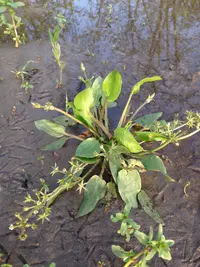
Use a wide, shallow container or pond shelf so roots sit in 2–8 cm of still or very slow-moving water, which matches this species’ natural marginal habitat and reduces rot risk in the crown.

Stabilize In Soft Mud

Press the rhizome area gently into fine, loamy pond sediment or aquatic compost mixed with sand so the base is firmly anchored, which helps the plant tolerate fluctuating water levels and prevents plants from floating up.

Control Competing Reeds

Regularly thin out aggressive emergent plants like reeds or cattails nearby, as they quickly outcompete Damasonium alisma for light and nutrients in small ponds or wildlife tubs.

Mimic Seasonal Drawdown

In artificial ponds or tubs, slightly lower water level in late summer to expose the upper substrate, which encourages flowering and seed set similar to the plant’s natural temporary pool conditions.

Encourage Natural Reseeding

Allow some seed heads to mature and fall back into the shallow water or wet mud instead of deadheading everything, as this species maintains itself best through self-sown seedlings rather than division.

Common Pests and Diseases

Fungal leaf spots

This disease causes irregular brown to black lesions on the floating or emergent leaves, sometimes with a yellow halo and gradual tissue collapse. Symptoms include thinning of leaf blades and premature decay, especially in stagnant, nutrient-rich water.

Solution

Remove and discard heavily spotted or decaying leaves to limit spore spread, and avoid leaving excess organic debris in the water. Improve water circulation, reduce overcrowding of plants, and, where feasible in managed ponds, lower nutrient input; in ornamental or controlled settings a pond-safe copper-based fungicide can be used according to label directions if the problem is severe.

Downy mildew

This disease produces pale, yellowed patches on the upper leaf surface and a fine gray-white to purplish growth on the underside in humid, cool conditions. Symptoms include leaf distortion and early dieback of affected foliage.

Solution

Remove and destroy infected leaves as soon as they are noticed and avoid overhead watering in managed plantings to keep leaf surfaces drier. Increase spacing and water movement around stands of Damasonium alisma to reduce humidity, and in ornamental water gardens use a labeled, aquatic-safe fungicide only if cultural measures do not control spread.

Aphids

These insects cluster on young emergent shoots and flower stalks, sucking plant sap and causing curling, distortion, and sticky honeydew deposits. This pest can encourage sooty mold growth on affected surfaces and weaken flowering.

Solution

Rinse colonies off emergent stems and leaves with a strong stream of water where access allows, and remove heavily infested stalks if this does not damage the stand. Encourage natural predators such as lady beetles, and in ornamental or restoration plantings use insecticidal soap or a low-toxicity contact spray approved for use near water, applying carefully to emergent parts only.

Aquatic snails

These animals graze on tender leaves and seedlings, leaving irregular holes and sometimes reducing small plants to stubs. Symptoms include shredded margins on young leaves and slow establishment of new plantings.

Solution

Hand-pick snails during routine maintenance where access is safe, and reduce hiding places such as dense mats of decaying vegetation around plants. In controlled ponds, floating snail traps or barriers around young transplants can protect vulnerable plants; avoid broad-spectrum molluscicides that may harm non-target aquatic life.

Interesting Facts

Specialized aquatic germination

This species produces seeds that typically germinate only after a period submerged in cool, standing water, matching the seasonal flooding of its shallow pond and ditch habitats.

Rare arable weed history

In parts of Europe, it was historically known as a rare weed of seasonally flooded arable fields, especially in traditional wet meadows and low-intensity farmland.

Threatened by drainage

Populations have declined markedly where ponds, marshy hollows, and field depressions were drained or made more permanent, since the plant depends on fluctuating water levels and exposed muddy drawdown zones.

Botan icon

Did you know?

Damasonium alisma has seeds that can remain dormant in the soil for many years, forming a persistent seed bank that allows the species to reappear when traditional, shallowly flooded conditions are restored after long absence.

FAQs about Starfruit

Flowering is reduced when the plant is too shaded, poorly rooted, or stressed by water level changes. Ensure stable shallow water, a nutrient-rich muddy substrate, and adequate light. Avoid frequent disturbance of rhizomes or transplanting during the growing season.

Grow Healthy Plants with Botan Care

Keep your plants happy and healthy with plant identification, disease detection, and easy care guidance.

Botan plant care app — identify plants on mobile

Explore More Plants