greater bladderwort Care (Utricularia vulgaris)

Also known as: common bladderwort
greater bladderwort

About greater bladderwort

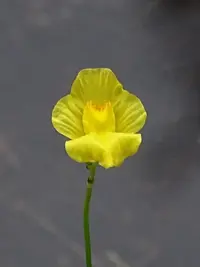
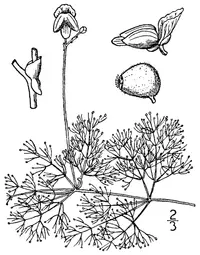
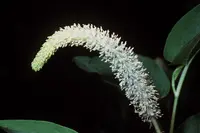
Greater bladderwort, Utricularia vulgaris, is a free-floating aquatic carnivorous plant found in ponds, lakes, and slow-moving waters. It has fine, feathery submerged stems and tiny bladder traps that catch small aquatic organisms. Bright yellow snapdragon-like flowers rise above the water on slender stalks in the growing season, giving the plant a delicate but distinctive appearance. It naturally occurs across cooler regions of Europe, Asia, and North America, usually in nutrient-poor, still or gently flowing water. For those learning how to care for greater bladderwort, the main challenge is providing clean, low-nutrient, sunny water conditions without strong currents or competition from aggressive algae.

Main Plant Requirements

Care Difficulty

Hard Care

Light Preference

Full Sun

Water Requirements

Aquatic

Temperature Preference

Cold Hardy

Hardiness Zone

3–8

Soil Texture

Peaty, Organic-rich, Silty

Soil pH

Acidic (5.5–6.5)

Soil Drainage

Waterlogged tolerant

Fertilization

Minimal (feed rarely)

Get Personalized Care Plan

Scan your plant to receive care tips personalized for your specific plant

Available on iOS and Android

How to Care for the greater bladderwort

This aquatic carnivorous plant prefers bright, open conditions in shallow water habitats.

  • Provide 6–10 hours of direct sun daily; full sun is ideal in cool to mild climates where water stays below 77°F (25°C).
  • Tolerates light partial shade, especially afternoon shade, in hotter regions to reduce water overheating and stress to greater bladderwort.
  • Watch for pale, weak growth or reduced flowering as signs of insufficient sun, and for bleached, yellowing shoots as a sign of excessive intense sun exposure.

Utricularia vulgaris is fully aquatic and depends on stable, clean, standing or slow-moving water rather than traditional soil watering.

  • Grow in nutrient-poor, soft, low-mineral water 15–100 cm deep; avoid chlorinated or hard tap water that encourages algae and mineral buildup.
  • Maintain consistently high water levels; shrinking pools, exposed stems, or drying margins indicate insufficient water, while foul odor and cloudy water suggest stagnant, low-oxygen conditions.
  • In winter, allow natural cooling and possible partial freezing of surface water if local populations are hardy, but avoid complete basin freeze-through.

This species is adapted to cool to mild climates and survives a broad temperature range in water.

  • Aim for active growth in 59–77°F (15–25°C); short warm spells up to 86°F (30°C) are tolerated if water stays well-oxygenated.
  • Protect from hard frost in shallow containers; the plant may form resting buds, but sustained exposure below 32°F (0°C) in fully frozen water can kill shoots.
  • In hot summers above 86°F (30°C), provide deeper water, partial shade, or water circulation to limit overheating and stress.

This aquatic carnivorous species does not rely on air humidity, since its leaves and traps stay submerged.

In cultivation, Utricularia vulgaris is grown in a soil-free or very low-mineral medium that mimics nutrient-poor, organic wetland sediments.

  • Use a base of rinsed silica sand with a thick layer of long-fiber sphagnum or peat at the bottom of the container.
  • Keep the medium permanently waterlogged or shallowly flooded using rainwater, distilled water, or reverse-osmosis water only.
  • Maintain a slightly acidic environment, around pH 5–6.5, and avoid any added fertilizer, manure, or lime.
  • Do not use standard potting mixes, compost-rich blends, or coarse gravel, which introduce minerals that can burn the fine roots and bladders.

This species can be grown in containers if the vessel functions as a small outdoor pond or water garden.

  • Choose a wide, watertight tub or barrel at least 25–30 cm deep so water stays cool and stable through temperature swings.
  • Place the container in a spot that receives sun but avoids intense afternoon overheating, which can raise shallow water above safe levels.
  • Add a layer of rainwater-rinsed sand and peat at the bottom for anchoring and let floating shoots fill the remaining open water surface.

This aquatic carnivorous species gains most nutrients from captured prey and usually needs no added fertilizer.

Pruning helps manage biomass and keep Utricularia vulgaris healthy in contained ponds or tubs.

  • Trim back excess floating stems in late spring to mid-summer to prevent overcrowding and shading of other aquatic plants.
  • Remove dead, pale, or decomposing segments with clean scissors to maintain water quality and reduce rot.
  • Thin dense mats by cutting and lifting whole sections, which encourages fresh growth and more flowering sites.

Transplanting is mainly relevant when Utricularia vulgaris is grown in containers, tubs, or managed ponds.

  • Move plants when growth slows, stems crowd the surface, or the container becomes choked with old material.
  • Plan transplanting for late spring when water is warming and growth restarts, usually every 2–3 years in managed setups.
  • Gently lift and separate healthy green strands, keeping them submerged to avoid drying of delicate tissues.
  • Transfer portions into the new container or pond zone with similar water depth and chemistry to minimize stress.

Vegetative propagation is the standard method for increasing Utricularia vulgaris in cultivation.

  • Use stem division in late spring or summer, selecting vigorous green strands free of algae or decay.
  • Cut or gently pull apart sections 10–15 cm long, ensuring each piece has healthy bladders and shoot tips.
  • Place divisions directly into clean, nutrient-poor water with soft, low-mineral chemistry for best establishment.
  • Seed sowing is possible but slow; surface-sow onto shallow, still water and maintain bright light and stable warmth.

This temperate aquatic is cold hardy and usually needs little special winter care in outdoor ponds within its climate range.

  • In cold zones, allow plants to sink naturally as they form winter buds; these rest on the pond bottom until spring.
  • Avoid fully draining ponds in winter so dormant structures remain submerged and insulated from severe freezing.
  • For container setups in very cold areas, move tubs into a frost-free but cool space, keeping water above freezing.

Care Tips

Floating basket setup

Grow plants in fine-mesh floating baskets or perforated pond pots so the stolons can spread freely while you can still lift and inspect the colony without disturbing the entire pond or tub.

Controlled water depth

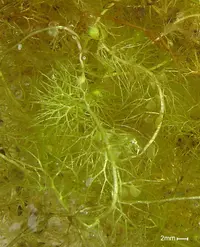
Maintain a consistent water depth of about 20–60 cm by using bricks, inverted pots, or plant stands under containers so the photosynthetic shoots remain near the surface while roots and bladders stay submerged.

Nutrient-poor partition

If the pond is stocked with fish, place the plant in a separate, low-nutrient zone or container within the water body to prevent excess algae growth that can outcompete the plant.

Algae and duckweed management

Regularly skim off filamentous algae and fast-spreading floaters like duckweed from around the plant so light can reach the stems and traps, improving overall vigor when growing greater bladderwort.

Seasonal biomass thinning

Once or twice per season, lift and remove older, dense mats from the edges of the colony to prevent self-shading and to encourage new, active growth from younger segments.

Common Pests and Diseases

Algal overgrowth

Symptoms include dense green water, reduced light penetration, and submerged shoots becoming pale and weak. This condition competes with the plant for light and nutrients and is common in nutrient-rich, stagnant water bodies.

Solution

Limit excess nutrients by reducing fertilizer or fish load, provide partial shade to lower light intensity, and remove filamentous algae manually with a net or by winding it around a stick. Improve water circulation or perform partial water changes to keep nutrients moderate and support stable, clear conditions for Utricularia vulgaris care.

Filamentous fungi

This disease often appears as whitish or gray, cottony growth on decaying stems, trapped prey, or plant debris, especially in cool, stagnant water. It can spread onto live tissue, causing sections of shoots to soften and disintegrate.

Solution

Remove decaying plant material promptly and trim out any infected sections with clean scissors. Improve water movement, avoid overfeeding aquatic animals, and if needed perform partial water changes; in closed systems, a mild, aquarium-safe antifungal treatment can be used according to label directions.

Snail grazing

These animals feed on tender shoots and bladders, leading to ragged or missing leaf segments and reduced trapping structures. This is more common in ponds or aquaria with large populations of generalist herbivorous snails.

Solution

Manually remove excess snails and reduce hiding places by clearing debris. In contained systems, introduce natural predators that are compatible with the setup or use snail traps; avoid copper-based treatments if other sensitive aquatic life is present.

Aquatic herbivorous insects

These insects, such as certain aquatic beetle larvae or caterpillars, chew through stems and leaf whorls, leaving holes or severed segments that float away. Damage can reduce the plant’s surface area and overall vigor.

Solution

Inspect the water column and plant mats, then manually remove visible larvae and adults using a net or tweezers. Encourage balanced pond ecology with fish or invertebrates that prey on these insects, and avoid broad-spectrum insecticides that could harm the plant and non-target aquatic life.

Water mold (oomycete) infection

This disease typically affects stressed or wounded plant sections, which turn translucent, then brown and stringy, sometimes with a slimy surface film. It spreads more readily in poorly filtered, organic-rich water with low circulation.

Solution

Prune out and discard affected shoot sections, then siphon or net out organic debris from the water. Improve circulation and maintain moderate nutrient levels with regular partial water changes; in closed culture, an aquarium-safe treatment labeled for water molds may be used cautiously if cultural corrections are not sufficient.

Interesting Facts

Underwater suction traps

This species uses tiny underwater bladder traps that create negative pressure and snap open in milliseconds to suck in small aquatic prey such as water fleas and mosquito larvae.

Rootless floating life

The plant lacks true roots and instead floats freely or anchors lightly in shallow sediments while obtaining nutrients from captured prey and dissolved minerals in the water.

Northern hemisphere distribution

Greater bladderwort is native to temperate regions of the Northern Hemisphere and often forms dense mats in nutrient-rich ponds, ditches, and slow-moving waters, where it can influence local invertebrate communities.

Botan icon

Did you know?

This species is one of the few carnivorous plants capable of overwintering as specialized buds called turions, which sink to the bottom of ponds to survive freezing conditions and then rise again in spring to resume active growth.

FAQs about greater bladderwort

Lack of flowers usually comes from low light, water that is too nutrient-rich, or unstable water levels. This species blooms best in sunny, calm, shallow water with relatively low dissolved nutrients and minimal disturbance during the growing season.

Grow Healthy Plants with Botan Care

Keep your plants happy and healthy with plant identification, disease detection, and easy care guidance.

Botan plant care app — identify plants on mobile

Explore More Plants