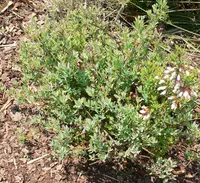
Himalayan berry Care (Rubus bifrons)

Also known as: Himalayan Blackberry
Himalayan berry

About Himalayan berry

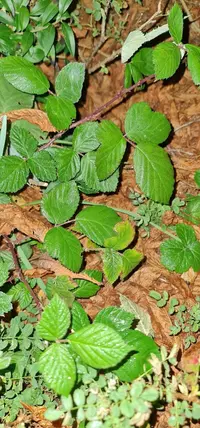
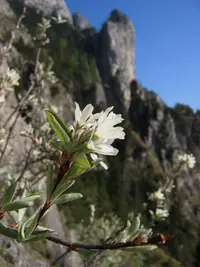
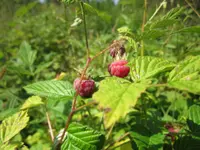
Himalayan berry (Rubus bifrons) is a vigorous deciduous bramble, related to raspberries and blackberries. It typically forms dense, arching thickets with thorny canes. The plant bears white to pale pink flowers followed by edible red to dark purple berries, attracting wildlife and sometimes spreading aggressively in suitable climates. Native to parts of Asia and naturalized in Europe and North America, it often grows along woodland edges, hedgerows, and disturbed ground. It is generally robust and forgiving, but its strong growth and thorns require space and basic pruning to manage. To care for Himalayan berry, provide sun to light shade, moderately moist but well-drained soil, and room for its canes to expand.

Main Plant Requirements

Care Difficulty

Moderate Care

Light Preference

Full Sun

Water Requirements

Regular Water

Temperature Preference

Cold Hardy

Hardiness Zone

5–9

Soil Texture

Sandy, Loamy, Clay

Soil pH

Acidic (5.5–6.5), Slightly acidic (6.5–7.0)

Soil Drainage

Moist but well-drained

Fertilization

Minimal (feed rarely)

Get Personalized Care Plan

Scan your plant to receive care tips personalized for your specific plant

Available on iOS and Android

How to Care for the Himalayan berry

This plant fruits best in full sun but tolerates some shade.

  • Provide 6–8 hours of direct sun daily; morning sun with light afternoon shade reduces leaf scorch in hot summers.
  • Allow partial shade (3–4 hours direct sun) in warmer zones; expect fewer flowers and fruits but healthier foliage during heatwaves.
  • In cool or cloudy climates, choose the sunniest, south- or west-facing spot; avoid dense shade, which causes lanky canes and poor fruiting in Himalayan berry.

Rubus bifrons prefers consistently moist but not saturated soil.

  • Water when the top 3–5 cm of soil feels dry, applying a deep soak rather than light sprinkles to encourage deep roots.
  • In spring and during fruiting, monitor closely and water more often; in cool or rainy seasons, reduce watering to avoid puddling and root stress.
  • Watch for yellowing, soft canes or sour smell as signs of overwatering; crisp leaves, drooping tips, and small berries indicate drought stress and need for quicker watering.

This bramble is cold-hardy yet appreciates moderate summer temperatures for best growth.

  • Active growth and flowering are strongest around 60–75°F (16–24°C); plants remain functional slightly above and below this range.
  • Dormant canes tolerate winter lows near 0°F (−18°C) once established, but young plants benefit from mulch protection in colder regions.
  • During heat above 90°F (32°C), expect some leaf scorch and reduced fruit size; use mulch and, if possible, light afternoon shade to limit heat stress.

Humidity is rarely a limiting factor for this rugged bramble outdoors.

This species prefers deep, moist, well‑drained, loamy soil with ample organic matter.

  • Use a mix of garden loam, coarse sand, and compost to create a crumbly structure that holds moisture but does not stay waterlogged.
  • Aim for slightly acidic to neutral pH around 6.0–7.0, which supports nutrient availability and healthy root function in Rubus bifrons.
  • In heavy clay sites, raise the planting area and blend in coarse sand or fine bark to improve aeration and drainage.
  • Avoid compacted ground, standing water, or very shallow soil layers that restrict cane vigor and root spread.

This bramble can be grown in containers if the pot is large and stable enough to support vigorous canes.

  • Choose a wide, heavy container so sprawling canes and support structures do not tip the pot in wind or when fruiting.
  • Use a deep pot, at least 40–50 cm, to give the extensive root system enough vertical space to anchor and access moisture.
  • Select a slightly porous material like terracotta if outdoor conditions are cool and wet, to prevent prolonged saturation around the roots.

Rubus bifrons responds well to modest feeding on reasonably fertile soil.

  • Apply a balanced granular fertilizer (for example 10-10-10 NPK) or well-rotted compost in early spring as new growth starts.
  • Repeat light feeding once more in midsummer during active growth, especially when caring for Himalayan berry in poor soil.
  • Use slow-release fertilizer at 1/2 label strength to avoid excessive, weak shoot growth.
  • Stop feeding in late summer so plants harden off before winter dormancy.

Pruning supports healthy growth and productivity in Rubus bifrons.

  • Carry out main pruning in late winter or very early spring before buds break.
  • Remove dead, diseased, or damaged canes first, then thin crowded or very weak shoots to open the clump.
  • Cut out spent 2-year-old fruiting canes at ground level to encourage new, productive canes.
  • Use clean, sharp bypass pruners and make cuts close to the base without tearing tissue.

This species is usually grown in the ground, so care focuses on transplanting rather than repotting.

  • Transplant in early spring or fall when growth is slow and soil is workable.
  • Move plants that show poor vigor, crowding, or when canes spread beyond their allotted area.
  • Lift with a sharp spade, keeping a firm root ball, and replant at the same depth in well-drained soil.
  • Water deeply after transplanting, then keep soil evenly moist for several weeks to limit root stress.

Rubus bifrons is commonly propagated to expand plantings or renew old patches.

  • Use tip layering in spring or late summer by pegging young cane tips into moist soil until roots form.
  • Take semi-ripe cuttings in late spring to midsummer, rooting them in a free-draining, slightly moist mix.
  • Divide rooted suckers or young shoots in early spring, replanting promptly at the same depth.
  • Seeds are possible but slow; stratify in moist medium at cool temperatures to improve germination.

Mature plants are generally cold hardy and need only basic winter care in most temperate climates.

  • Tolerates typical winter frosts once established but young plants benefit from simple protection.
  • Apply a 5–8 cm mulch layer around the root zone in late fall, keeping mulch off the stems.
  • In very cold or exposed sites, tie canes loosely together and, if possible, shelter from harsh drying winds.
  • Container-grown plants are more vulnerable; move pots into a sheltered, unheated area to reduce freeze-thaw stress.

Care Tips

Trellis and training

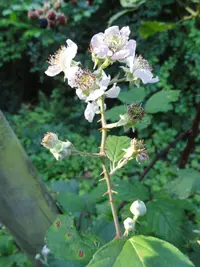
Install sturdy wires or a trellis at 1–1.5 m height and fan out the canes, tying them loosely with soft ties to improve light penetration, fruit quality, and ease of harvest.

Cane renewal system

After fruiting, cut out spent second-year canes at ground level and immediately tie in new first-year canes to maintain a continuous cycle of productive growth and reduce disease pressure.

Mulch for root zone

Apply a 5–8 cm layer of composted bark or wood chips around, but not against, the plant base to suppress weeds, stabilize soil moisture, and protect shallow feeder roots from heat and cold.

Targeted pest scouting

From spring through harvest, inspect leaves and developing fruit weekly for aphids, cane borers, and spider mites, and remove small infestations by pruning out affected tips or washing with a firm water spray before considering treatments.

Bird and fruit protection

Use fine-gauge bird netting supported on a simple frame over the row just before berries ripen to prevent bird damage while still allowing airflow and light, which is especially helpful when growing Himalayan berry in open gardens.

Common Pests and Diseases

Raspberry cane borer

This pest is a beetle whose larvae tunnel inside young canes, causing wilting and dieback of the cane tip above the entry point.

Solution

Prune out and destroy wilted cane tips 15–20 cm below the visible damage as soon as they appear, and remove any canes with hollow, tunneled pith during winter pruning. Maintain good field hygiene by removing old canes and nearby wild brambles that can host the insect.

Spotted wing drosophila

This pest is a small fruit fly that lays eggs in ripening berries, leading to soft, collapsing fruit with small white larvae inside.

Solution

Harvest fruit frequently, remove and dispose of overripe or dropped berries, and use fine-mesh netting over plants before berries begin to color. Where pressure is high, use baited traps to monitor adult flies and time targeted insecticidal sprays approved for edible berries according to local guidelines.

Raspberry cane blight

This disease is a fungal infection that enters through wounds on canes, causing dark lesions, cracking bark, and sudden wilting of laterals above the infected area.

Solution

Prune out infected canes during dry weather, cutting well below the lesion, and remove and destroy all prunings away from the planting. Avoid wounding canes, improve spacing and airflow, and in high-pressure areas consider using a registered fungicide at label timings for bramble cane diseases.

Verticillium wilt

This disease is a soilborne fungus that blocks water movement in the plant, causing gradual yellowing, wilting, and dieback, often on one side of the plant first.

Solution

Remove and destroy severely affected plants including as much root material as possible, and avoid replanting brambles in the same spot. Improve soil drainage, avoid overwatering, and do not plant Himalayan berry after known verticillium hosts such as tomatoes, potatoes, peppers, or strawberries in the same bed.

Orange rust

This disease is a systemic rust fungus that causes weak, spindly canes and bright orange, powdery pustules on the undersides of leaves in spring.

Solution

Dig out and destroy entire infected plants, including roots, since the fungus persists inside the plant and does not cure with sprays. Remove wild brambles nearby that may carry the pathogen, and choose resistant cultivars when possible as part of long-term Rubus bifrons plant care.

Interesting Facts

Hybrid-origin bramble

Rubus bifrons is considered a hybridogenous species, probably derived from crosses between two ancestral Rubus lineages, which helps explain its high genetic variability and adaptability in different environments.

Strong clonal spread

This species forms extensive thickets through arching, rooting canes that tip-root when they touch the ground, allowing one individual to expand clonally and dominate large patches over time.

High-value forage shrub

In invaded ranges, its dense, thorny canes can hinder human access, yet they provide important cover and nesting habitat for small birds and mammals, while the berries are eaten by a wide range of wildlife.

Botan icon

Did you know?

In several parts of western North America and New Zealand, Rubus bifrons is listed as a noxious or invasive weed, and specialized biological control programs have been developed that use host-specific insects to reduce its vigor and spread.

FAQs about Himalayan berry

Yellowing leaves usually result from waterlogged soil, nutrient-poor ground, or root disturbance. Improve drainage, avoid frequent shallow watering, and apply a balanced fertilizer in early spring. Check for root rot or pest damage if yellowing continues.

Grow Healthy Plants with Botan Care

Keep your plants happy and healthy with plant identification, disease detection, and easy care guidance.

Botan plant care app — identify plants on mobile

Explore More Plants