Common Bramble Care (Rubus apetalus)

Common Bramble

About Common Bramble

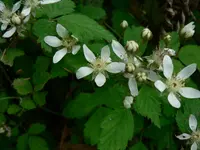
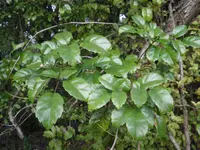
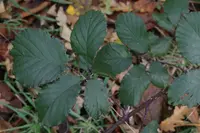
Common bramble (Rubus apetalus) is a deciduous, shrubby bramble known for its arching, often thorny stems and small white to pale pink flowers. It typically forms dense thickets that spread by vigorous shoots and sometimes by rooting where stems touch the ground.

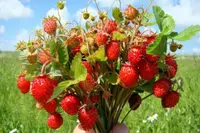
This species is native to temperate regions and is usually found along woodland edges, hedgerows, and disturbed sunny or partly shaded sites. Its small aggregate fruits are attractive to wildlife and help the plant colonize new areas.

Rubus apetalus is generally easy to grow but can become vigorous and difficult to control in suitable conditions. Those who want to learn how to care for Common Bramble mainly need to manage its spread and provide well-drained soil with moderate moisture.

Main Plant Requirements

Care Difficulty

Moderate Care

Light Preference

Partial Sun

Water Requirements

Moderate Water

Temperature Preference

Cool Climate

Hardiness Zone

Unknown

Soil Texture

Loamy, Sandy, Organic-rich

Soil pH

Acidic (5.5–6.5), Slightly acidic (6.5–7.0)

Soil Drainage

Moist but well-drained

Fertilization

Minimal (feed rarely)

Get Personalized Care Plan

Scan your plant to receive care tips personalized for your specific plant

Available on iOS and Android

How to Care for the Common Bramble

Rubus apetalus grows best with consistent, direct light but tolerates some shade.

  • Provide 6–8 hours of sun daily, ideally with morning sun and light afternoon shade to reduce leaf scorch risk.
  • Accepts partial shade, especially in hotter regions, but fruiting and stem vigor decrease below about 4 hours of direct sun.
  • In summer, protect from intense west-facing sun with nearby taller plants; in early spring, full sun helps warm soil and speed new growth.

This bramble prefers evenly moist, well-drained soil rather than constantly wet conditions.

  • Water when the top 3–5 cm of soil feels dry, aiming for deep soaking that reaches the root zone instead of frequent light splashes.
  • Use soil with good drainage; standing water or sour, swampy smell around roots signals overwatering and risk of root rot in Rubus apetalus.
  • In spring and fruiting season, moisture demand increases; in cool autumn, reduce watering and watch for drooping, curled leaves as a sign of drought stress.

This hardy bramble tolerates a wide temperature range but performs best in moderate conditions.

  • Active growth is strongest around 60–75°F (16–24°C), with good flowering and fruit set in stable spring and early summer weather.
  • Mature plants usually survive down to about 0°F (−18°C) when fully dormant, but young canes benefit from mulch insulation in colder zones.
  • In heat waves above 90°F (32°C), growth slows; provide mulch to cool roots and avoid pruning heavily during very hot or very cold periods.

Rubus apetalus tolerates typical outdoor humidity and rarely needs special humidity management.

Rubus apetalus performs best in deep, loose, well-drained soil with consistent moisture retention.

  • Use a loamy, organic-rich soil with noticeable sand or fine gravel content to prevent waterlogging.
  • Aim for slightly acidic to neutral pH, roughly 6.0–7.0, which supports nutrient availability and healthy root growth.
  • Incorporate 25–40% mature compost plus coarse material like bark chips to improve structure and aeration.
  • Avoid heavy, compacted clay or sites where water stands for more than a few hours after rain.

This species can be grown in containers if the pot provides enough depth and stability for its spreading, woody root system.

  • Select a wide, heavy container that resists tipping as canes lengthen and create lateral weight.
  • Choose a potting mix that drains quickly yet holds moisture, then elevate the pot slightly so drainage holes never sit in runoff.
  • Position the container where trailing or tied canes will not snag or be damaged by foot traffic or maintenance tools.

Rubus apetalus is a vigorous bramble that benefits from light feeding on poorer soils but often manages with minimal input.

  • Use a balanced slow-release fertilizer (around 10-10-10) or well-rotted compost worked into the topsoil in early spring.
  • Feed once at the start of the growing season; a second light application in midsummer may help fruiting in very poor soils.
  • Apply at half the label rate for shrubs, keeping granules or compost away from direct stem contact.
  • Stop feeding Common Bramble by late summer and do not fertilize during winter dormancy.

Pruning Rubus apetalus maintains plant health, controls spread, and supports good flowering and fruiting.

  • Cut out dead, diseased, or damaged canes at ground level in late winter or very early spring using sharp bypass pruners.
  • Remove the oldest, most crowded canes after fruiting to open the center and improve air flow.
  • Retain strong, young canes, spacing them evenly along a support if used, to guide shape and productive growth.
  • Lightly tip back overly long shoots to keep plants within bounds and reduce tangling with nearby vegetation.

This species is usually grown in the ground, so care focuses on transplanting rather than frequent repotting.

  • Plan transplanting in late fall or very early spring when the plant is dormant and soil is workable.
  • Look for signs such as dense root mats circling a container or poor vigor, which suggest a need to move or divide clumps.
  • Lift with a sharp spade, keeping as much root ball intact as possible to limit stress and wilting.
  • Replant at the same depth in well-drained soil, water thoroughly, then keep evenly moist until new growth establishes.

Rubus apetalus is commonly propagated to expand thickets or renew aging plantings.

  • Use tip layering in spring or early summer by pegging a flexible cane tip into moist soil until roots form, then sever.
  • Take semi-ripe stem cuttings in early summer, place in a free-draining mix, and keep humid and bright but not sunny.
  • Divide established clumps in early spring or late fall, replanting vigorous sections with healthy buds and roots.
  • Seeds can be sown after cold stratification, but this method is slower and less consistent than vegetative approaches.

This bramble is generally cold hardy in temperate climates and needs only modest winter attention.

  • In colder regions, apply a 5–8 cm mulch around the root zone in late fall to buffer freeze-thaw cycles.
  • Leave most canes over winter to catch snow and insulate crowns, removing dead ones in late winter.
  • Container-grown plants in cold areas can be moved into an unheated garage or against a sheltered wall to reduce root freezing.

Care Tips

Install sturdy support

Set up a strong trellis, wire fence, or tensioned wires before planting so new canes can be tied in as they grow, which improves light penetration, air flow, and harvest access.

Cane training pattern

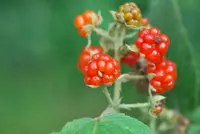
Train first-year canes in one direction along the support and second-year fruiting canes in the opposite direction to simplify pruning and reduce accidental removal of next year’s crop wood.

Targeted mulch strategy

Apply a 5–8 cm layer of organic mulch in a band along the row, keeping it a few cm away from the cane bases to suppress weeds, stabilize soil moisture, and reduce soil-borne disease splash.

Systematic pest scouting

Inspect canes, leaf undersides, and developing fruit weekly during the growing season with a hand lens, so aphids, spider mites, cane borers, or fungal spots are caught early and managed before they spread.

Row orientation planning

When establishing a hedge or row, align planting roughly north–south where possible to balance sun on both sides of the plants, which supports more even flowering and fruiting when growing Common Bramble.

Common Pests and Diseases

Raspberry beetle

This pest attacks flower buds and developing berries, causing dry, misshapen fruits with small white larvae inside. Symptoms include poor fruit set, crumbly berries, and premature fruit drop.

Solution

Remove and destroy affected fruits during harvest to break the life cycle, and keep the area under plants free of dropped berries. In home gardens, encourage predators by maintaining plant diversity, and if infestations are regular, time an application of a targeted fruit and flower-safe insecticide just before flowering according to local extension guidance.

Aphids

These insects cluster on young shoots and the undersides of leaves, sucking sap and causing curling, distortion, and sticky honeydew that can lead to sooty mold. Symptoms include stunted new growth and leaves that feel tacky to the touch.

Solution

Spray colonies off with a firm stream of water, then treat remaining clusters with insecticidal soap or a ready-to-use horticultural oil, coating leaf undersides thoroughly. Reduce excess nitrogen fertilization, which encourages soft, aphid-prone growth, and remove heavily infested shoot tips where practical.

Raspberry cane blight

This disease causes dark, sunken lesions on canes, often starting where they were wounded or pruned, and can lead to wilting of lateral shoots above the infection. Symptoms include brittle, dead sections of cane and poor shoot development in the following season.

Solution

Cut out and destroy infected canes down to healthy tissue during dry weather, disinfecting pruning tools between plants. Avoid wounding canes, keep plant rows open for good airflow, and apply a labeled fungicide at bud break in sites with a history of cane blight if cultural measures are not sufficient.

Raspberry leaf spot

This disease produces small, circular purple spots that turn tan or gray in the center, causing leaves to yellow and drop prematurely in severe cases. Symptoms include a thin, sparse canopy and reduced vigor, which may affect fruit quality.

Solution

Remove and dispose of heavily spotted leaves and prunings, and keep the planting free of old cane debris where the fungus overwinters. Improve spacing and airflow, avoid overhead watering, and in recurrent cases use a preventive fungicide early in the season when new leaves are expanding, following label directions.

Raspberry cane borer

This pest is a small beetle whose larvae tunnel inside young canes, causing wilting and drooping of the shoot tips and visible girdling rings on stems. Symptoms include flagging or shepherd’s crook tips above a pair of neat, double rows of punctures around the cane.

Solution

Prune off wilted tips about 15–20 cm below the lowest girdling marks and destroy the cut material to remove larvae. Maintain healthy, vigorous plants through balanced fertilization and avoid leaving wild Rubus thickets immediately adjacent to plantings to reduce pest reservoirs while still benefiting from nearby natural predators when growing Common Bramble.

Interesting Facts

Flower structure peculiarity

This species has almost petal-less flowers, with the showy parts formed mainly by enlarged sepals rather than true petals, which is unusual compared with many other Rubus species.

Hybridization tendency

Rubus apetalus readily forms natural hybrids with closely related bramble species, contributing to the complex and taxonomically challenging Rubus species groups in its native range.

Habitat specialization

It is typically associated with specific cool, temperate habitats, often favoring moist, semi-shaded sites such as forest margins, where it forms part of the mid-successional shrub layer.

FAQs about Common Bramble

Poor flowering usually comes from too much shade, heavy nitrogen fertiliser, or old, unpruned canes. Flowers form on second-year growth, so remove spent canes after fruiting and avoid cutting young canes that will bloom next season.

Grow Healthy Plants with Botan Care

Keep your plants happy and healthy with plant identification, disease detection, and easy care guidance.

Botan plant care app — identify plants on mobile

Explore More Plants