Himalayan sweet box Care (Sarcococca hookeriana)

Himalayan sweet box

About Himalayan sweet box

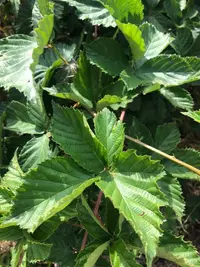
Himalayan sweet box, Sarcococca hookeriana, is an evergreen shrub valued for its glossy leaves and strong winter fragrance. It forms low, dense clumps and spreads slowly by suckers, making it useful as a shade groundcover or underplanting shrub.

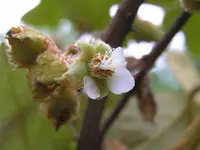
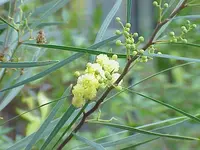
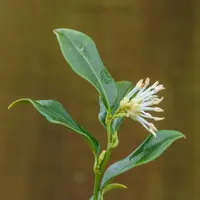
Small, creamy white flowers appear in late winter, followed by dark berries that add subtle interest. It is native to the Himalayas and nearby regions, where it grows in woodland and shaded mountain slopes.

This species is generally considered easy to grow when kept in shade to part shade, with consistent moisture and humus-rich, well-drained soil. Understanding how to care for Himalayan sweet box helps it stay healthy and maintain its compact structure over time.

Main Plant Requirements

Care Difficulty

Easy Care

Light Preference

Partial Shade

Water Requirements

Moderate Water

Temperature Preference

Cold Hardy

Hardiness Zone

6–9

Soil Texture

Loamy, Clay, Organic-rich

Soil pH

Acidic (5.5–6.5), Slightly acidic (6.5–7.0)

Soil Drainage

Moist but well-drained

Fertilization

Minimal (feed rarely)

Get Personalized Care Plan

Scan your plant to receive care tips personalized for your specific plant

Available on iOS and Android

How to Care for the Himalayan sweet box

This shade-loving shrub prefers cool, indirect light rather than strong direct sun.

  • Provide bright dappled shade or full shade with up to 2–3 hours of gentle morning sun; avoid harsh afternoon sun, which can scorch leaves.
  • Site Himalayan sweet box under deciduous trees, on the north or east side of buildings, or in other sheltered, filtered-light locations.
  • If growth becomes sparse or flowering declines, increase light slightly by thinning overhead branches or moving to a brighter but still shaded spot.

This shrub prefers evenly moist, well-drained soil that never stays waterlogged.

  • Water when the top 3–5 cm of soil feel dry, aiming for soil that is moist but not soggy down to root depth.
  • During hot, dry periods, increase watering frequency and use mulch 5–8 cm deep to reduce evaporation and stabilize moisture around Sarcococca hookeriana.
  • Watch for yellowing, soft leaves as a sign of overwatering, and for dull, wilting foliage and dry, crumbly soil as signs of underwatering.

This plant is a cool- to mild-climate evergreen that tolerates typical garden temperature swings.

  • Optimal growth occurs around 50–75°F (10–24°C), with steady performance in sheltered, partially shaded garden spots.
  • The shrub is hardy to about 0–5°F (-18 to -15°C) once established, but young plants benefit from mulch and wind protection in winter.
  • It tolerates brief heat up to 85–90°F (29–32°C) if shaded and mulched; prolonged heat or drying winds can cause leaf scorch and reduced flowering.

This shrub prefers moderately moist air but usually adapts to typical home or outdoor humidity.

  • Aim for 40–60% humidity for stable foliage and flower performance in Himalayan sweet box.
  • It tolerates short dry spells, but consistently very dry heated rooms can cause leaf-edge browning and reduced flowering fragrance.
  • Increase humidity by grouping plants, placing the pot on a pebble tray with water below the pot base, or moving it away from direct hot air vents.

This plant grows best in loose, moisture-retentive but free-draining soil.

  • Use a loamy mix rich in organic matter, combining garden loam or all-purpose potting soil with 30–40% compost or leaf mold for Sarcococca hookeriana.
  • Ensure drainage by incorporating 10–20% fine bark or perlite so water moves through the profile without pooling around roots.
  • Target a slightly acidic to neutral pH of about 6.0–7.0, avoiding highly alkaline soils that can limit nutrient uptake and cause chlorosis.
  • Improve aeration and structure on heavy clay sites by raising beds and blending in coarse sand or grit plus organic matter, avoiding waterlogged, compacted locations.

This species is well suited to container growing when moisture and root space are managed carefully.

  • Choose a deep, heavy container that balances the shrub’s woody, spreading growth so wind or uneven loads do not tip it over.
  • Select a pot material such as thick terracotta or glazed ceramic that moderates moisture loss in partial shade but does not stay soggy after rain.
  • Fill the container with a loose, organic-rich mix and leave 3–5 cm below the rim to allow slow, even watering without overflow.

Sarcococca hookeriana is a modest feeder that benefits from light, steady nutrition rather than heavy doses.

  • Apply a balanced slow-release fertilizer (such as 10-10-10) once in early spring as new growth begins.
  • Supplement with a thin layer of compost around the root zone in spring to support soil life and structure.
  • During the growing season, use a half-strength balanced liquid feed every 4–6 weeks for container-grown Himalayan sweet box only.
  • Stop feeding in late summer to allow wood to harden before winter, and do not fertilize in winter dormancy.

Sarcococca hookeriana needs only light pruning to keep a dense, tidy form and maintain flowering wood.

  • Carry out pruning just after flowering in late winter or early spring to avoid removing next season’s buds.
  • Cut out dead, damaged, or crossing stems at the base with clean, sharp hand pruners.
  • Thin the oldest, most congested stems to open the center slightly and improve light and air flow.
  • Shorten overly long shoots to shape the shrub, keeping natural, arching growth rather than tight shearing.

This shrub grows slowly and dislikes disturbance, so transplant Sarcococca hookeriana only when there are clear signs it has outgrown its space.

  • Look for roots circling the container drainage holes, soil drying very fast, or noticeably slowed growth as cues to move it.
  • Plan transplanting or repotting for early spring or early fall when temperatures are mild and moisture is reliable.
  • Expect container plants to need a size upgrade about every 3–5 years, using a well-drained, humus-rich mix.
  • Water deeply 1–2 days before moving, handle the root ball gently, and keep roots moist and shaded until reestablished.

Sarcococca hookeriana is usually propagated vegetatively to keep identical traits and predictable growth.

  • Take 7–10 cm semi-ripe cuttings in late summer, use rooting hormone, and place in a moist, free-draining medium under high humidity.
  • Divide small, multi-stem clumps in early spring, ensuring each division has healthy roots and several shoots.
  • Use simple layering in spring by pegging flexible stems into soil; sever and pot once strong roots form.
  • Seed propagation is slower and less uniform; sow fresh seed in a cool frame and expect uneven, extended germination.

This species is generally cold hardy in mild to cool climates and often needs only minimal winter care.

  • Tolerates light to moderate frost, but young plants benefit from shelter from drying winter winds.
  • Apply a 5–8 cm layer of organic mulch around the root zone in late fall, keeping it clear of stems.
  • In very cold regions, move container plants into a sheltered, frost-free but cool spot with some light and minimal watering.

Care Tips

Suckering control

Every 1–2 years, slice straight down with a spade around the clump edge to remove older suckers and keep the plant as a dense, manageable mound rather than letting it spread irregularly.

Fragrance placement

Site plants near winter walkways, doors, or patios at planting time so the low flowers sit close to nose level when you bend slightly, making the most of their winter scent when few other shrubs are in bloom.

Leaf-litter mulching

In late autumn, apply a 5–8 cm layer of shredded leaves or fine bark around the base to mimic woodland conditions, stabilise soil moisture, and protect surface roots over winter.

Shading companion choice

Plant under open-branched deciduous trees or tall, lightly limbed shrubs so it receives bright, filtered light in winter and protective shade in summer, which matches the natural woodland niche and supports long-term structure when growing Himalayan sweet box.

Low-maintenance edging

When using it as a path or bed edge, plant in a single staggered row and lightly shear only the outermost shoots after flowering to define a clean line while preserving inner foliage density and next year’s flower buds.

Common Pests and Diseases

Box blight

This disease causes tan to dark brown leaf spots, black streaks on young stems, and rapid defoliation, often starting in dense, shaded areas of the shrub. Symptoms include sparse, bare stems while leaves on nearby plants may still look green initially.

Solution

Prune out and dispose of all affected shoots, cleaning tools between cuts, and thin the plant to improve airflow and faster drying of foliage. Avoid overhead watering, keep the soil surface free of fallen leaves, and in severe cases use a labeled fungicide for box blight, following local Himalayan sweet box care instructions for timing and coverage.

Volutella leaf and stem blight

This disease leads to scattered yellowing leaves, dieback of individual twigs, and pale to salmon-colored spore pads on the undersides of affected leaves or stems. Symptoms include patchy thinning of the plant rather than uniform decline.

Solution

Cut back infected shoots to healthy wood and destroy removed material, then open up the canopy by selective pruning to promote good air circulation. Reduce leaf wetness by watering at the base and, if the problem recurs, apply an appropriate fungicide during warm, humid periods when new growth is soft.

Scale insects

These insects appear as small, dome-shaped or flattened bumps on stems and leaf undersides, often with sticky honeydew and sooty mold on surrounding foliage. This pest can cause gradual yellowing, reduced vigor, and twig dieback on heavily infested plants.

Solution

Wipe or gently scrub affected stems with a soft cloth or brush dipped in mild soapy water, and prune out heavily infested twigs. For persistent problems, use a horticultural oil spray during the plant’s dormant or cool season, ensuring thorough coverage of stems and the undersides of leaves.

Vine weevils

This pest causes distinctive notched feeding damage along leaf edges by adults, while larvae feed on roots and can stunt plants or cause sudden wilting. Symptoms include poor growth and, in severe cases, plants that collapse despite apparently healthy foliage.

Solution

Pick adult beetles from foliage at night and remove hiding places such as dense groundcover around the base. For long-term control, apply a suitable entomopathogenic nematode product to moist soil during the active larval season, following label guidance on soil temperature and repeated treatments.

Leaf spot

This disease produces small, dark brown to purplish leaf spots that may merge into larger patches, leading to premature leaf drop on lower, shaded branches. Symptoms include a speckled or blotched appearance on older leaves while new growth may still look clean at first.

Solution

Remove and discard heavily spotted leaves from the plant and soil surface, and thin dense growth to allow better light penetration and airflow. Avoid wetting foliage late in the day and, if leaf spot remains a recurring issue, consider a targeted fungicide program during peak wet seasons, focusing on protecting new foliage.

Interesting Facts

Winter fragrance strategy

This species flowers in mid to late winter, when few other shrubs bloom, and uses strong, sweet scent instead of showy petals to attract the small numbers of active pollinating insects in cold conditions.

Color-shifting young leaves

Young foliage often emerges bronze to reddish-purple before maturing to dark green, an adaptation thought to reduce damage from intense light and herbivory on tender new growth.

Rhizomatous colony former

Sarcococca hookeriana spreads slowly via underground rhizomes, allowing it to form dense, long-lived colonies in shaded woodland habitats without relying heavily on seedling establishment.

Botan icon

Did you know?

Some forms of Sarcococca hookeriana, especially the narrow-leaved selection often sold as 'var. humilis', were originally collected from high-altitude Himalayan forests, which helps explain their tolerance of cold winters combined with deep shade in garden conditions.

FAQs about Himalayan sweet box

Poor flowering often comes from deep shade, heavy pruning at the wrong time, or stress from drought or waterlogging. Allow some indirect light, avoid hard pruning after midsummer, keep soil evenly moist, and feed lightly in spring.

Grow Healthy Plants with Botan Care

Keep your plants happy and healthy with plant identification, disease detection, and easy care guidance.

Botan plant care app — identify plants on mobile

Explore More Plants