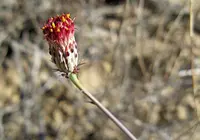
Alyssum minutum Care

Alyssum minutum

About Alyssum minutum

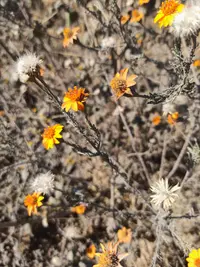
Alyssum minutum is a small, low-growing annual from rocky, dry habitats in parts of Europe and western Asia. It forms compact mats with tiny gray-green leaves and delicate white to pale yellow flowers.

This species is adapted to poor, well-drained soils and open, sunny sites, which makes it suitable for rock gardens and troughs. Its short, tidy growth habit and modest water needs usually make it straightforward to care for Alyssum minutum when drainage and light are appropriate.

Main Plant Requirements

Care Difficulty

Easy Care

Light Preference

Full Sun

Water Requirements

Low Water

Temperature Preference

Cold Hardy

Hardiness Zone

4–8

Soil Texture

Sandy, Loamy, Rocky

Soil pH

Slightly acidic (6.5–7.0), Slightly alkaline (7.0–7.5)

Soil Drainage

Well-drained

Fertilization

Minimal (feed rarely)

Get Personalized Care Plan

Scan your plant to receive care tips personalized for your specific plant

Available on iOS and Android

How to Care for the Alyssum minutum

This alpine annual prefers bright conditions with several hours of direct sun each day.

  • Provide 6–8 hours of direct sun, ideally with gentle morning sun and lighter exposure in hot mid-afternoon, especially in warmer climates.
  • Plant in an open site; it tolerates light or dappled afternoon shade, but dense shade reduces flowering and makes plants leggy with weak, stretched stems.
  • In very hot summers, excess harsh afternoon sun can scorch foliage and dry soil too quickly, so use nearby rocks or low plants to create slight filtered light.

This species prefers slightly dry, fast-draining conditions rather than consistently moist soil.

  • Allow the top 2–4 cm of soil to dry between waterings; in typical outdoor beds, this often means watering only after several dry days, depending on rainfall and soil type.
  • Use gritty, sharply drained soil or a rocky slope so water runs off quickly; standing water or heavy clay greatly increases root rot risk for Alyssum minutum.
  • In cooler seasons and during cloudy spells, water less often; underwatering shows as slight leaf wilting that recovers after watering, while overwatering causes yellowing and soft, collapsing stems.

This plant is adapted to cooler, open sites and does best without extreme heat or prolonged hard frost.

  • Aim for active growth in 55–70°F (13–21°C); flowering remains good up to about 75°F (24°C) if soil drainage and air movement are strong.
  • Established plants can tolerate brief drops to about 20–25°F (-6 to -4°C), but repeated hard frosts or freeze-thaw cycles can damage roots and reduce survival.
  • In hot regions, temperatures above 85°F (29°C) combined with strong sun can shorten flowering, so use slightly cooler micro-sites and avoid heat-reflecting walls or paving.

This species tolerates a wide humidity range and usually does not need special humidity management.

  • Ideal humidity is around 30–60%, similar to typical outdoor and indoor conditions in many homes.
  • Dry air is generally tolerated, but extreme, hot drafts can increase leaf and flower desiccation risk.
  • If foliage edges brown and buds drop during very dry, hot weather, group pots together or place near a shallow water tray to slightly raise local humidity.

Alyssum minutum prefers lean, well-drained, mineral soils that mimic dry rocky slopes.

  • Use a sandy or gritty mix with fine gravel, coarse sand, and a small amount of compost to keep structure open.
  • Ensure very fast drainage; aim for a mix that drains within seconds, avoiding waterlogged or compacted conditions.
  • Keep pH slightly alkaline to neutral (about 7.0–8.0); add a small amount of crushed limestone or garden lime if soil is acidic.
  • Improve aeration on heavier garden soils by incorporating 30–50% coarse sand or grit and avoiding high peat or clay content.

This species is suitable for container growing, especially in shallow, free-draining pots.

  • Choose a wide, shallow container to accommodate its spreading habit while preventing excess wet substrate depth around roots.
  • Select unglazed terracotta if extra evaporation is needed to keep the fast-draining mix from staying damp too long.
  • Elevate the pot on feet or mesh so drainage holes remain clear and runoff leaves the container area quickly.

This alpine annual or short-lived perennial from nutrient-poor habitats needs only light feeding, so keep Alyssum minutum on a lean schedule.

  • Use a low-dose, balanced NPK liquid fertilizer at 1/4 strength if growth is pale or weak in spring.
  • Apply at most every 4–6 weeks during active growth, skipping feeds when soil is freshly improved.
  • Choose either diluted liquid feed or a very light topdressing of fine compost, not both.
  • Stop fertilizing in late summer and avoid feeding in winter or any dormant period.

Pruning Alyssum minutum is mainly used to keep plants compact and flowering well.

  • Shear back spent flower stems lightly in late spring or after the main flush to encourage reblooming.
  • Remove dead, damaged, or leggy shoots with clean scissors to reduce disease risk and improve airflow.
  • Trim uneven edges to maintain a low, mounded shape suited to rock gardens or edging.
  • Avoid cutting into hard, woody bases; always leave some leafy growth on each trimmed shoot.

This small rock-garden species is usually grown in the ground, so focus on gentle transplanting rather than frequent repotting.

  • Transplant Alyssum minutum in early spring or early fall when temperatures are mild and soil is workable.
  • Move plants only if growth declines, clumps outgrow their space, or drainage is clearly poor.
  • Lift with a hand trowel, keeping a firm root ball intact to limit root disturbance and stress.
  • Replant into gritty, sharply drained soil at the same depth, water once to settle, then let the surface dry.

Alyssum minutum is most often propagated from seed, which allows many plants at low cost.

  • Sow fresh seeds in late winter to early spring under cover, or in early fall in mild climates.
  • Use a well-drained, gritty seed mix and press seeds onto the surface; do not bury deeply.
  • Maintain 60–70°F, bright light, and lightly moist, never soggy, conditions for steady germination.
  • Harden off seedlings gradually, then transplant to final positions once roots hold the plug together.

This alpine species is fairly cold hardy in well-drained soil and usually needs minimal winter care.

  • Ensure soil is very free-draining; excessive winter moisture is more harmful than low temperature.
  • In colder areas, apply a thin gravel or grit mulch around crowns to keep them dry and insulated.
  • Container-grown plants can be overwintered in a cold frame or unheated, bright shelter to avoid waterlogging.

Care Tips

Encourage Compact Growth

Lightly shear spent flower stems by 2–3 cm after the main flush to keep plants dense, extend blooming, and prevent them from becoming straggly.

Use Gravel Mulch

Apply a 1–2 cm layer of fine gravel around the crowns to keep foliage dry at the base, reduce weed competition, and protect the shallow roots from splash and rot.

Improve Drainage Microsites

When planting in beds or rock gardens, set plants on small raised mounds or in crevices filled with gritty mix to prevent water from pooling around the root zone.

Plan Short-Lived Habit

Treat plants as short-lived perennials or self-sowing annuals, collecting some seed after flowering so you can re-establish fresh, vigorous clumps every 2–3 years when growing Alyssum minutum.

Monitor For Alkalinity

In regions with very acidic soil, top-dress once a year with a small amount of garden lime or crushed limestone grit around the plants to maintain the slightly alkaline conditions they prefer.

Common Pests and Diseases

Downy mildew

This disease causes pale yellow spotting on leaves that later develop grayish, downy fungal growth on the undersides, especially in cool, humid conditions. Symptoms include stunted growth and premature leaf drop, which can quickly reduce flowering in dense plantings.

Solution

Remove and discard affected leaves and heavily infected plants to reduce spore spread, and thin crowded patches to improve air movement and faster drying after rain or irrigation. Water at soil level in the morning, avoid overhead watering, and in areas with recurring pressure use a copper or phosphonate fungicide labeled for downy mildew on ornamentals, applied according to the product directions.

Clubroot

This disease causes swollen, distorted roots and leads to wilting, yellowing, and stunted growth, especially during warm parts of the day despite adequate soil moisture. Symptoms include plants that fail to thrive and may collapse during hot, dry spells.

Solution

Promptly remove and discard infected plants with as much surrounding soil as possible, and avoid planting other brassicas in the same bed for several years because the pathogen persists in soil. Improve drainage, lime acidic soils to around pH 7.0 where appropriate, and purchase clean transplants or use fresh seed in new, well-drained locations when growing Alyssum minutum again.

Flea beetles

These insects chew many tiny round holes in leaves, giving them a shot‑holed or lace‑like appearance, and can slow growth of young plants. This pest is most damaging in warm, dry weather, particularly on seedlings and recently planted transplants.

Solution

Protect young plants with fine insect netting or floating row covers until foliage is robust, and keep nearby weeds from the mustard family under control to remove alternate hosts. Where damage is ongoing, use yellow sticky traps and consider spot‑treating foliage with insecticidal soap or a spinosad product labeled for flea beetles, applied in calm weather and repeated as directed.

Cabbage aphids

These insects form dense gray‑green colonies on stems and flower stalks, excreting sticky honeydew that can attract sooty mold. Symptoms include curled or distorted new growth and reduced flowering in stressed plants.

Solution

Blast colonies off with a firm stream of water, repeating every few days until numbers drop, and prune off heavily infested stems and flower clusters. Encourage natural predators such as lady beetles, and if needed apply insecticidal soap or horticultural oil thoroughly to the undersides of stems and flower shoots, avoiding applications during very hot or bright midday conditions.

Interesting Facts

Balkan mountain specialist

This species is naturally restricted to the Balkan Peninsula, where it grows on open, rocky slopes and limestone outcrops at higher elevations, often forming small, scattered populations adapted to harsh alpine conditions.

Tiny annual life cycle

Alyssum minutum is a true annual that completes its full life cycle in a single growing season, germinating, flowering, setting seed, and dying back within a short spring window before summer drought sets in.

Minute golden flowers

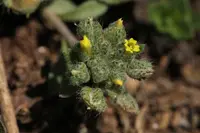
It produces very small, pale yellow to golden 4-petaled flowers in loose clusters, and the modest floral display is adapted to attract small insects in exposed, wind-swept habitats rather than showy garden pollinators.

FAQs about Alyssum minutum

Lack of blooms often comes from too much shade, excess nitrogen fertilizer, or old, spent plants. Provide full sun, avoid high-nitrogen feeds, deadhead lightly, and consider resowing each year when growing Alyssum minutum for reliable flowering.

Grow Healthy Plants with Botan Care

Keep your plants happy and healthy with plant identification, disease detection, and easy care guidance.

Botan plant care app — identify plants on mobile

Explore More Plants