smooth purple coneflower Care (Echinacea laevigata)

smooth purple coneflower

About smooth purple coneflower

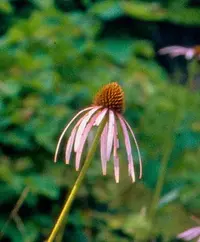
Smooth purple coneflower, Echinacea laevigata, is a clump-forming perennial herb native to dry, open habitats in the southeastern United States. It is federally listed as a threatened species due to habitat loss. Plants form upright stems with narrow, smooth leaves and striking purple-pink petals that droop around a raised, coppery cone. Flowering stems create a vertical accent in naturalistic or meadow-style plantings. This species prefers full sun, lean to moderately fertile soil, and good drainage, which makes how to care for smooth purple coneflower fairly straightforward in suitable climates. Once established, it shows good drought tolerance and attracts pollinators, especially bees and butterflies.

Main Plant Requirements

Care Difficulty

Easy Care

Light Preference

Full Sun

Water Requirements

Low Water

Temperature Preference

Cold Hardy

Hardiness Zone

5–8

Soil Texture

Sandy, Loamy, Rocky

Soil pH

Acidic (5.5–6.5), Slightly acidic (6.5–7.0)

Soil Drainage

Well-drained

Fertilization

Minimal (feed rarely)

Get Personalized Care Plan

Scan your plant to receive care tips personalized for your specific plant

Available on iOS and Android

How to Care for the smooth purple coneflower

This species grows best in open, bright conditions that mimic sunny meadows and roadsides.

  • Provide 6–8 hours of direct sun daily; smooth purple coneflower flowers most heavily in full sun exposures.
  • Allow light afternoon shade in hotter regions, especially with strong western sun, to reduce leaf scorch and moisture stress.
  • In partial shade (3–5 hours sun), expect taller, weaker stems and fewer blooms; prune back overhanging plants or limbs to increase light, especially in spring.

This drought-tolerant perennial prefers deep, infrequent watering once established rather than constant moisture.

  • Before watering, let the top 5–7 cm of soil dry; soil below should feel slightly cool but not soggy when probed with a finger or trowel.
  • Use well-drained, gritty or loamy soil so water clears the root zone within 1–2 hours, helping prevent root rot and yellowing, mushy crowns.
  • In the first growing season, water when lower leaves soften or droop slightly; in later years, focus extra watering only during prolonged dry spells or extreme heat.

This perennial is hardy in much of the eastern and central US and handles a wide range of outdoor temperatures.

  • Active growth and flowering are best at 70–85°F (21–29°C); plants remain healthy but slower at 60–70°F (16–21°C).
  • Established clumps tolerate winter lows near -10°F (-23°C) with mulch, though new or poorly drained sites are more vulnerable to freeze damage.
  • During summer heat above 90–95°F (32–35°C), flowering may pause; provide mulch and avoid reflected heat from pavement to protect roots and foliage.

Humidity is rarely a limiting factor for Echinacea laevigata in typical outdoor conditions.

This species prefers lean, well-drained mineral soils rather than rich, moisture-holding substrates.

  • Use sandy or gravelly loam with 20–30% coarse sand or fine grit to keep the structure open and fast-draining.
  • Aim for slightly acidic to neutral pH around 6.0–7.0; avoid strongly acidic or alkaline sites that reduce nutrient availability.
  • In heavier soils, mix in coarse compost, pine bark fines, and perlite to improve aeration and prevent waterlogging around the crown.
  • Avoid dense clay, peat-heavy, or constantly wet soils, which encourage root and crown rot in Echinacea laevigata.

This species can be grown in containers if the pot is sized and weighted to match its tall flowering stems.

  • Choose a deep container at least 30–35 cm tall so the taproot can anchor and the plant resists wind rock.
  • Use a heavier material such as ceramic or thick-walled clay in exposed spots to reduce tipping from tall, top-heavy growth.
  • Place the pot where it cannot bake against reflective surfaces, which overheat the root zone in small volumes of substrate.

This native perennial generally needs minimal feeding but responds to modest nutrition on poor soils.

  • On lean or sandy sites, apply a light layer of compost around smooth purple coneflower in early spring.
  • Use a balanced, slow-release fertilizer (around 10-10-10) at half strength once in spring if growth is weak.
  • Avoid midsummer and late-season feeding, which can cause soft growth and reduce stress tolerance.
  • Do not fertilize during winter dormancy; excess nutrients can lead to weak, floppy stems next season.

Pruning Echinacea laevigata is simple and mainly supports flowering and plant health.

  • Deadhead fading blooms in summer using clean hand pruners to encourage additional flowers and delay seed set.
  • Leave some spent flower heads if winter seed for birds or self-sowing is desired.
  • Cut back dead, brown stems to ground level in late fall or very early spring to tidy the clump.
  • Remove any damaged, diseased, or crossing stems promptly to improve air flow and reduce fungal problems.

This species is more often grown in garden beds than in containers, so focus on careful transplanting.

  • Transplant in early spring or early fall when temperatures are mild and soil is workable.
  • Move plants only if growth declines, clumps are crowded, or they are poorly sited, typically every several years.
  • Dig a wide hole, disturb roots as little as possible, and replant at the same depth in well-drained soil.
  • Water deeply after transplanting, then keep soil evenly moist (not waterlogged) for 2–3 weeks to reduce root stress.

Echinacea laevigata is usually propagated by seed, with division used more cautiously to avoid stressing mature clumps.

  • Sow fresh seeds in late fall outdoors or use 4–6 weeks of cold stratification in the refrigerator before spring sowing.
  • Press seeds lightly into a well-drained seed mix and keep at 65–70°F with moderate, steady moisture until germination.
  • Divide established clumps only in early spring, lifting carefully and separating into a few large sections with vigorous buds.
  • Replant divisions promptly at original depth, water well, and shade lightly for several days to support recovery.

This cold-hardy perennial needs minimal winter care in most temperate climates.

  • Tolerates normal frost and snow once established, especially in well-drained soil.
  • After hard frost, optional cutting back of dead stems to ground level keeps beds tidy but is not essential.
  • Apply a 5–8 cm layer of mulch around the root zone in late fall in colder regions, keeping mulch off the crown.
  • Move container-grown plants into a sheltered, unheated area where roots stay cold but not continuously waterlogged.

Care Tips

Deep root establishment

During the first growing season, water less often but very deeply to encourage a strong taproot that helps the plant tolerate future drought and competition from nearby perennials.

Targeted deadheading

Remove only spent side flower heads through mid-summer but leave the central, strongest stems to set seed so you extend bloom time without sacrificing long-term colony expansion.

Thoughtful companion spacing

Plant beside low, non-aggressive grasses or shallow-rooted perennials and leave 20–30 cm of open soil around each crown so the plants are not outcompeted for light and root space.

Prevent crown smothering

Keep mulch pulled back 5–8 cm from the base of the stems and avoid piling fallen leaves over the crowns in autumn to reduce the risk of crown rot and poor spring emergence.

Seed head management

Leave a portion of seed heads standing through winter to feed birds and allow natural reseeding, then cut back remaining old stems in late winter before new shoots appear to keep stands of Echinacea laevigata vigorous when caring for smooth purple coneflower.

Common Pests and Diseases

Aster leafhopper

This pest spreads aster yellows phytoplasma while feeding on foliage and stems, causing distorted growth and off-colored foliage in coneflowers. Symptoms include yellowing, stunted plants, and deformed, greenish, tufted flower heads.

Solution

Reduce nearby weedy hosts and mow surrounding vegetation to lower leafhopper populations, then remove and destroy any symptomatic plants so they cannot act as a disease source. In larger plantings, use fine mesh row covers during peak leafhopper activity and, if needed, apply an insecticidal soap or a labeled pyrethroid to surrounding vegetation rather than directly to flowers, to protect pollinators while still reducing vectors.

Aster yellows

This disease is caused by a phytoplasma, a bacteria-like organism transmitted mainly by aster leafhoppers, and it systemically infects coneflowers. Symptoms include chlorotic or yellow leaves, witches’-broom tufted growth, and green, malformed flower heads that fail to produce normal seeds.

Solution

Immediately rogue (dig up) and discard infected plants, including roots, in household trash rather than compost to remove the pathogen from the site. Reduce volunteer seedlings and nearby weedy asters that can host the phytoplasma, monitor for leafhoppers, and replant only healthy nursery stock to maintain clean stands when growing smooth purple coneflower.

Eriophyid mites

These microscopic mites feed inside developing flower cones and on young tissues, leading to distorted, tufted, or swollen cone centers and sometimes reduced seed production. Symptoms include irregular, fuzzy, or excessively crowded disc florets in the central cone.

Solution

Deadhead and dispose of affected flower heads promptly to physically remove most mites and to limit spread to new growth. In severe, recurring cases, cut plants back after flowering to encourage clean regrowth and consider applying a horticultural oil or sulfur-based miticide early in the season, carefully following label directions to avoid harming beneficial insects.

Powdery mildew

This disease causes a white to gray powdery coating on leaves, often starting on lower or shaded foliage, and can lead to premature leaf yellowing. This problem is more common in dense stands with high humidity and limited air movement.

Solution

Thin crowded plantings, increase spacing, and water at soil level in the morning to keep foliage dry and reduce humidity around leaves. Remove the most affected leaves to lower disease pressure and, in persistent cases, use a labeled fungicide such as a potassium bicarbonate or sulfur product during early symptom development.

Botrytis blight

This disease, caused by Botrytis cinerea, produces brown, water-soaked spots on petals and leaves that expand into blighted areas, often covered with gray fuzzy mold in cool, damp weather. Flowers and buds may abort or collapse, especially after prolonged rain or overhead irrigation.

Solution

Promptly remove and discard spent flowers, rotting tissue, and fallen debris to reduce fungal spores, and avoid overhead watering during cool, cloudy periods. Improve air circulation by proper spacing and light pruning, and in severe outbreaks consider a targeted fungicide labeled for Botrytis, applied preventively when wet, cool conditions are forecast.

Interesting Facts

Federally listed rarity

This smooth purple coneflower is listed as a federally threatened species in the United States due to habitat loss, fire suppression, and quarrying of its specialized limestone habitats.

Strict limestone specialist

The species naturally occurs almost exclusively on sunny, open sites over magnesium-rich limestone or marble, such as road cuts and old quarries, making it far more substrate-specific than many other coneflowers.

Fire-dependent openings

In its native range in the Piedmont of the Carolinas and Virginia, populations depend on periodic disturbance such as fire to keep competing woody vegetation from shading out the open conditions it needs.

Botan icon

Did you know?

Genetic studies show that this species is distinct but closely related to other purple coneflowers, and conservation plans now prioritize maintaining multiple wild populations to preserve its remaining genetic diversity rather than relying only on garden or ex situ collections.

FAQs about smooth purple coneflower

Lack of flowering usually comes from too much shade, nutrient-rich or overfertilized soil, or overcrowding. Division every few years, modest fertility, and full sun exposure help restore consistent summer blooms in this species.

Grow Healthy Plants with Botan Care

Keep your plants happy and healthy with plant identification, disease detection, and easy care guidance.

Botan plant care app — identify plants on mobile

Explore More Plants