Hybrid of dry meadows
As a hybrid of European meadow daisies, it is adapted to well‑drained, moderately dry soils and does not occur in naturally wet habitats, so it tolerates short dry spells better than prolonged saturation.

This page explains when, how often, and how much to water Leucanthemum × superbum in typical home conditions.

Water Requirements
Moderate Water
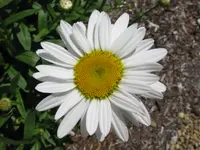
Garden-grown Shasta daisies prefer conditions that let soil dry slightly between waterings, reflecting their generally well-drained habitats. Leucanthemum × superbum usually handles short dry spells better than prolonged saturation, especially in heavier soils.
In watering Shasta Daisy, aim for moderate, even moisture without keeping the root zone wet for long periods. Container plants typically need more attentive monitoring than those established in open garden beds.
Let the top 1–2 inches (3–5 cm) of soil dry before watering again; the plant prefers slightly moist but not constantly wet soil. Outdoors, this usually means watering about every 5–10 days in warm weather, less often in cool seasons, with full sun and heat shortening the interval.
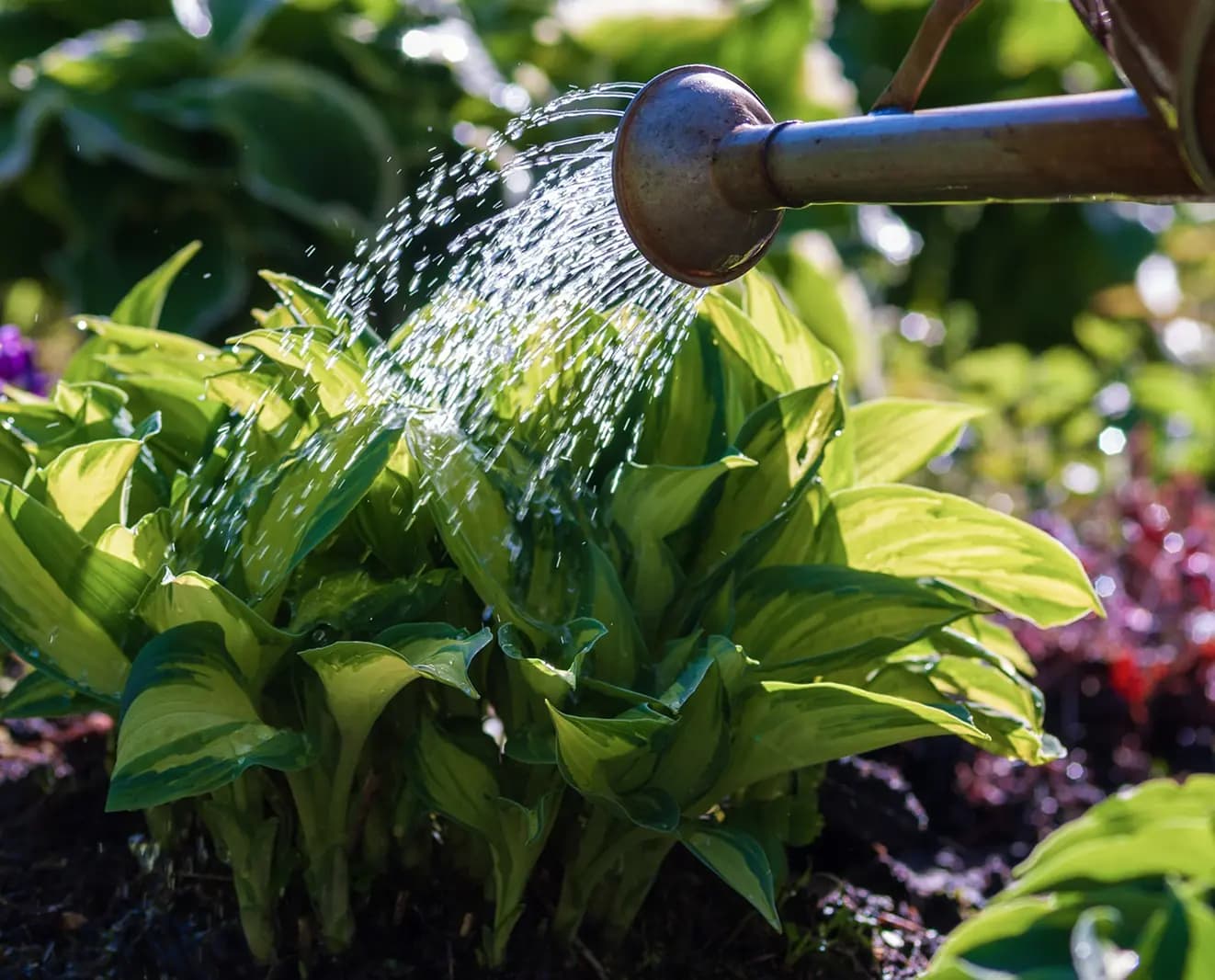
Water Shasta Daisy when the top 2 inches of soil feel dry, using slow, deep watering that targets the root zone.
Incorrect moisture levels can damage Leucanthemum × superbum growth, flowers, and overall vigor.
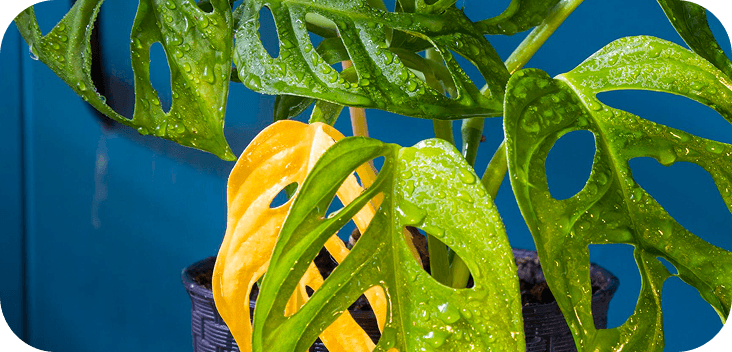
Older foliage turns uniformly yellow and limp from chronically soggy soil suffocating the roots.
Stems droop despite moist ground, signaling early root rot from poor drainage or overwatering.
Outer margins dry, curl, and brown when soil repeatedly dries too deeply between waterings.
Abundant leaves but few buds indicate frequent, shallow watering and overly rich, damp soil.
Keep soil evenly moist but never saturated, using deep, infrequent watering in sharply drained ground.
Unsuitable watering habits can weaken Leucanthemum × superbum by stressing its shallow roots and disrupting the balance between moisture, air, and nutrients.
Safer watering focuses on quick drainage, flexible timing based on soil dryness, and allowing the root zone brief, moderate drying between soakings.
Is It Time to Water?
See whether your plant is ready for watering or needs more time to dry.
Use Botan for a clear watering guide and practical care steps for Shasta Daisy, plus gentle photo-based checks that help flag leaf spots, wilting, and other early plant issues.
As a hybrid of European meadow daisies, it is adapted to well‑drained, moderately dry soils and does not occur in naturally wet habitats, so it tolerates short dry spells better than prolonged saturation.
Garden forms often behave as short-lived perennials, yet in seasons with consistent moisture and good drainage they readily set seed, allowing new plants to establish and maintain the clump over time.
In prolonged heat, check soil more often. Water when the top 1–2 inches are dry, giving a slow, deep soak. Mulch around the base reduces moisture loss and helps stabilize root-zone temperature.
Botan reviews your watering habits and highlights adjustments for healthier moisture balance.
5 min read · 4 Sept 2026
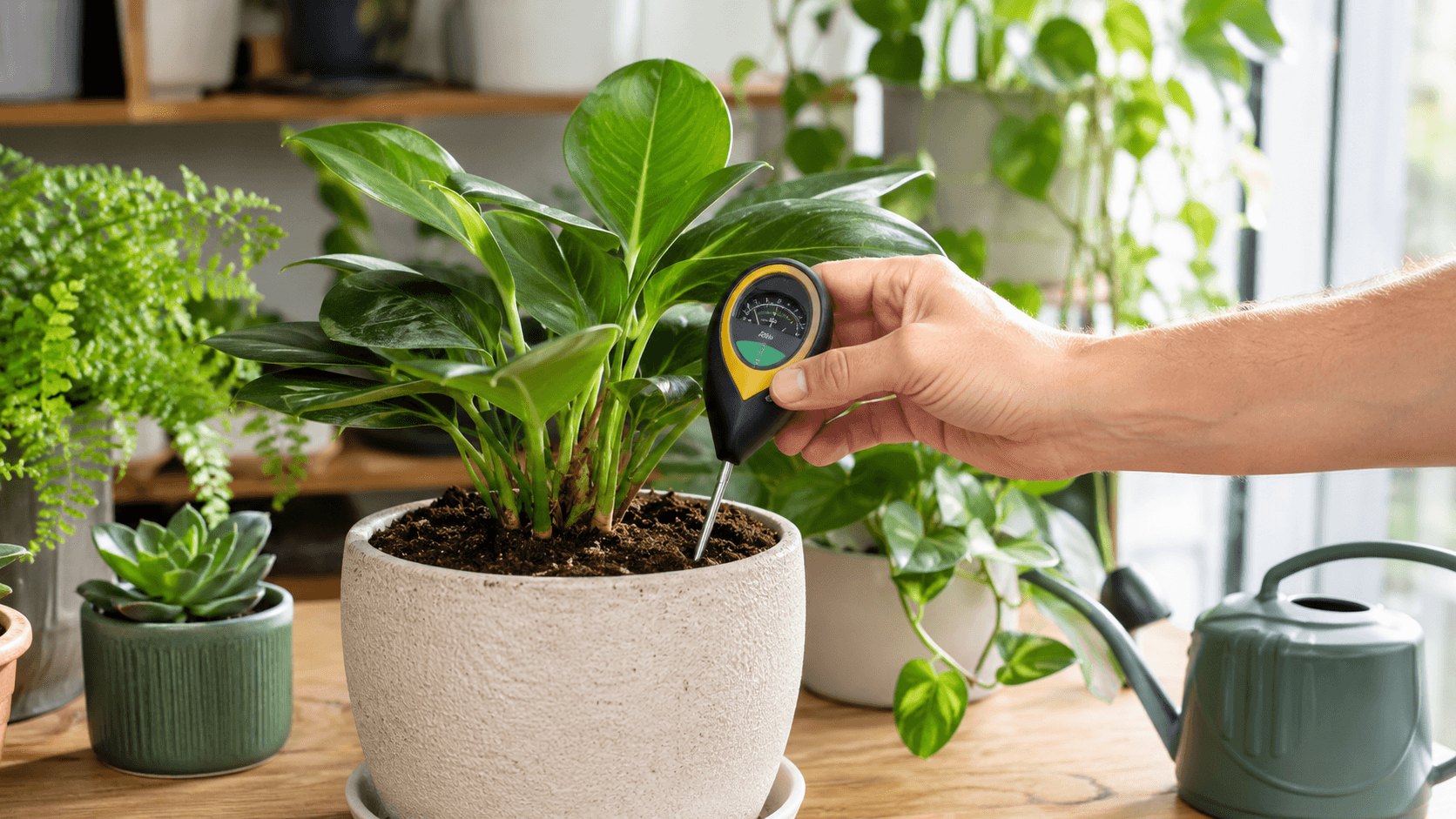
Watering by feel kills plenty of houseplants. A moisture meter checks the soil for you, and takes the guesswork out of it. This guide will show you how to use it correctly, from the first touch to the final reading.
7 min read · 30 Jul 2026
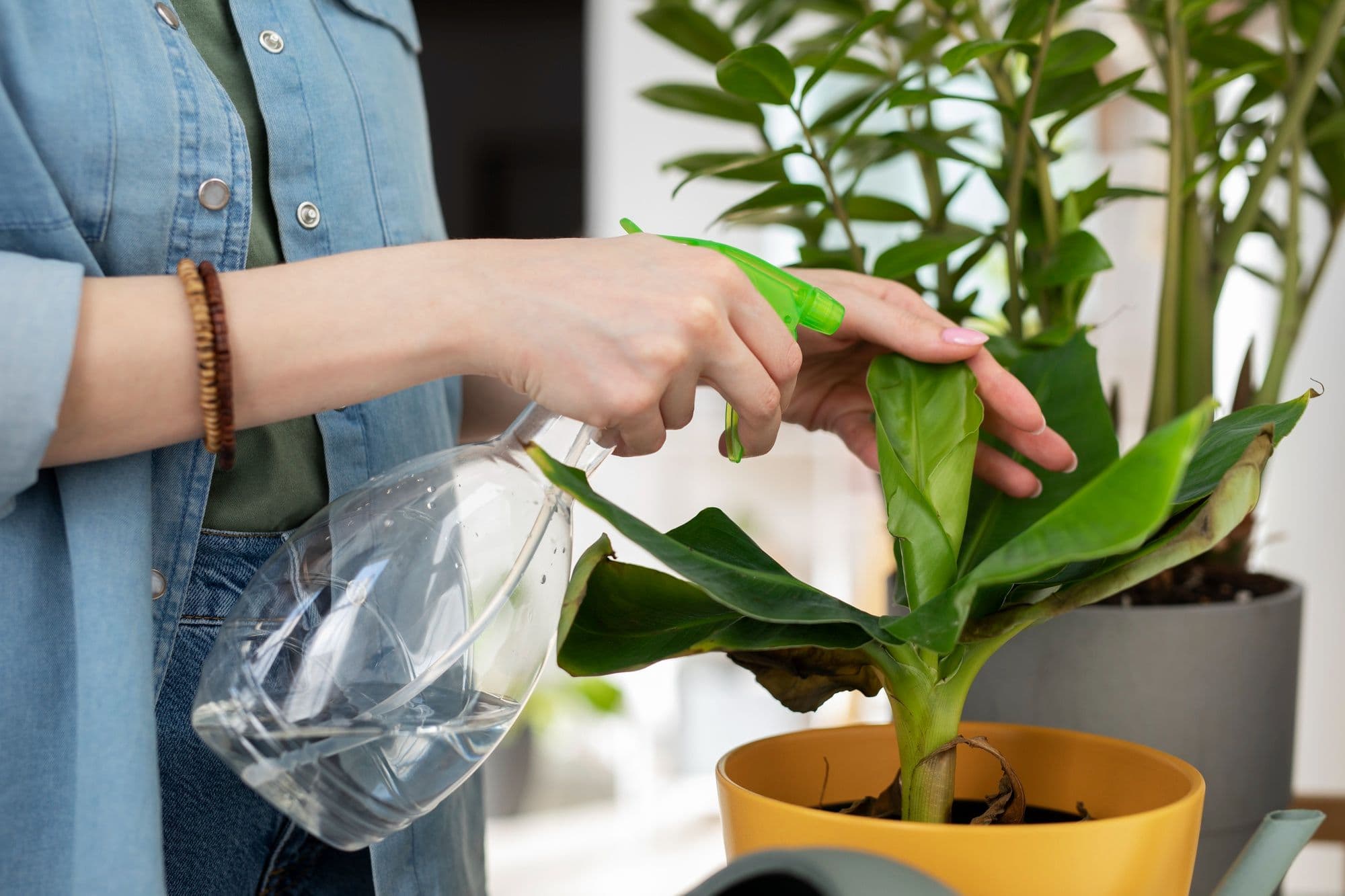
Find out when misting works well and when to avoid it. Here, you’ll find detailed information about compatible and incompatible species, tips on how often to mist plants and do it correctly, and some great alternatives for raising humidity.
8 min read · 14 Aug 2026
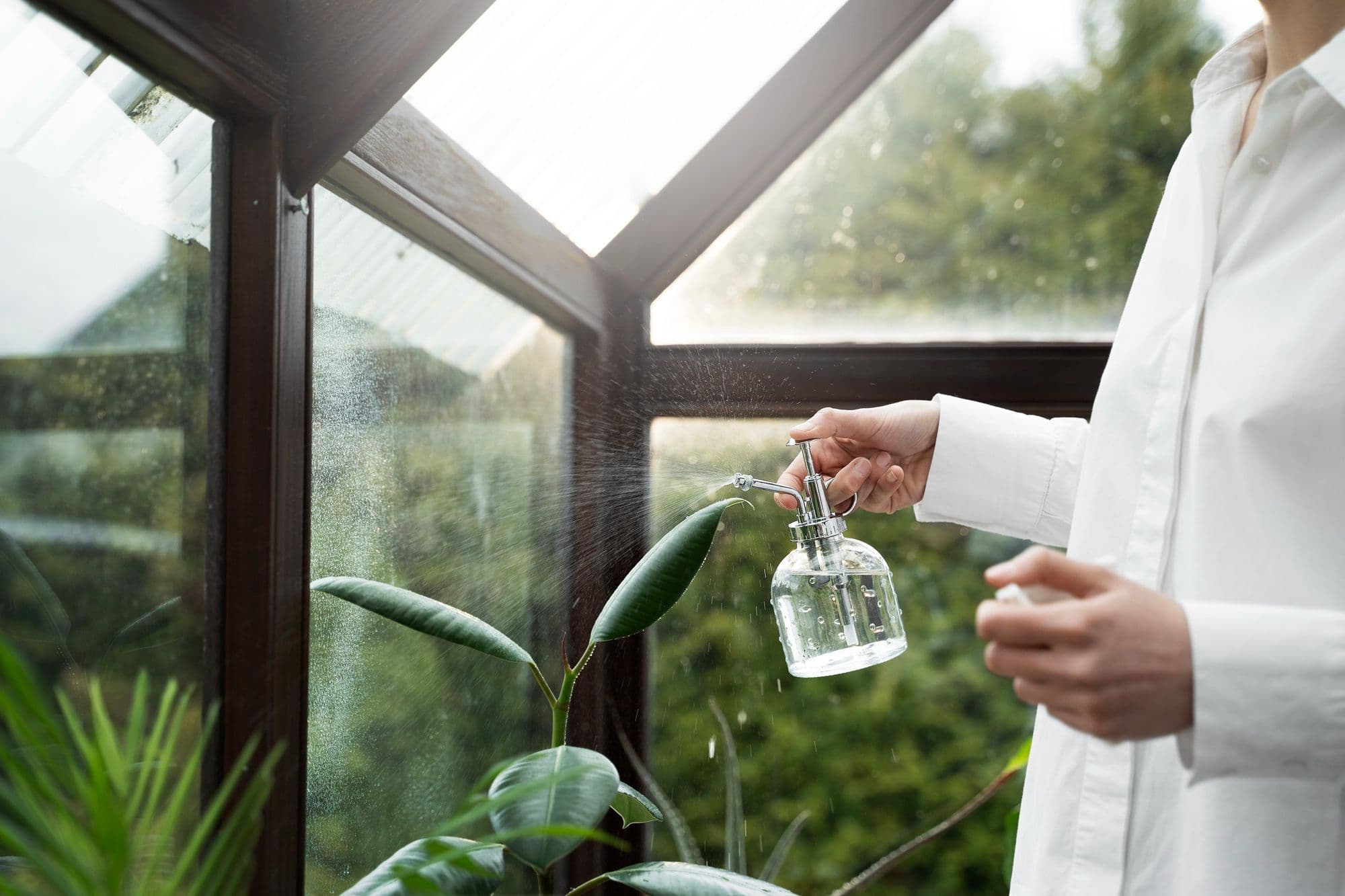
Dry indoor air stresses a lot of houseplants. You usually notice it first in the browning leaf tips. This guide describes 8 simple ways to raise the moisture around your plants, from humidifiers to pebble trays.