Shallow, thirsty roots
Zea mays develops most of its active roots in the top 6–12 inches (15–30 cm) of soil, so it depends heavily on consistent surface moisture rather than deep, infrequent watering in cultivation.

This page explains when, how often, and how much to water corn, providing clear, practical guidance for consistent moisture management.

Water Requirements
Regular Water

In field conditions, corn grows where soil moisture rises with warm-season rains but can dry slightly between them. Zea mays usually prefers steady, moderate moisture rather than prolonged soggy or bone-dry soil.
For watering corn, think in terms of keeping the root zone evenly supplied, with brief light drying between thorough sessions. Outdoor plantings focus on supporting natural rainfall, while containers need closer monitoring because they lose moisture faster.
Water when the top 1–2 inches (3–5 cm) of soil are dry, as Zea mays prefers consistent but not soggy moisture. Established plants in warm weather typically need watering about every 2–4 days, with hotter, windy conditions or sandy soil shortening this interval and cooler, heavier soils extending it.
Water corn when the top 1–2 inches (3–5 cm) of soil feel dry, aiming for slow, deep soil penetration.
Incorrect moisture levels can disrupt Zea mays growth and create avoidable health problems.
Leaf blades tightly roll during midday heat, signaling transient drought stress and inadequate soil moisture retention.
Older foliage shows purple tinge when roots struggle to access water and mobile nutrients efficiently.
Young plants remain small and yellowish after cold, soggy soil restricts oxygen and root development.
Soil stays saturated with poor drainage, encouraging root suffocation and increased susceptibility to fungal decay.
Keep soil consistently moist but aerated, avoiding both prolonged saturation and repeated severe drying cycles.
Unsuitable watering habits weaken Zea mays by limiting root development, reducing nutrient uptake, and increasing stress during heat or dry winds.
Consistent, deep watering based on soil moisture and good drainage supports healthy growth and reliable ears on corn plants.
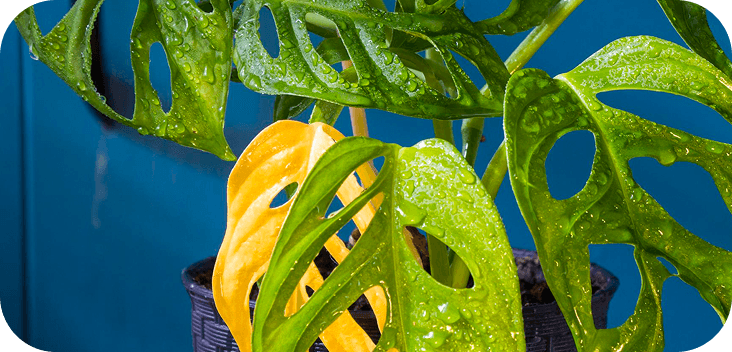
Is It Time to Water?
See whether your plant is ready for watering or needs more time to dry.
Use Botan for a simple Zea mays watering guide, tailored reminders, and step-by-step care. You can also scan photos to help identify early leaf, pest, or watering issues.

Zea mays develops most of its active roots in the top 6–12 inches (15–30 cm) of soil, so it depends heavily on consistent surface moisture rather than deep, infrequent watering in cultivation.
During tasseling and silking, Zea mays becomes highly sensitive to water stress; even short dry spells at this stage can sharply reduce pollination success and kernel set compared with similar stress earlier or later in growth.
Zea mays uses C4 photosynthesis, which improves water-use efficiency compared with many C3 crops, yet its fast growth and large leaf area create a high total water demand, especially under hot, sunny conditions.
Early morning is best. Soil absorbs moisture before heat and wind increase evaporation, and foliage has time to dry, which helps reduce fungal disease risk and keeps irrigation more efficient.
Use Botan to review watering patterns and adjust them with more confidence.
9 min read · 29 Sept 2026
Discover the 12 best plants for bathroom spaces. Each pick comes with its own advantages, plus light, humidity, watering, and placement tips. Take a look and match the plant to your specific bathroom.

8 min read · 14 Jul 2026
Rice water can be an ideal DIY solution for orchids, roses, or fruiting plants. It supports growth, leaf count, and height. We’ll share how to make and apply it correctly for your plant.
6 min read · 13 Jul 2026
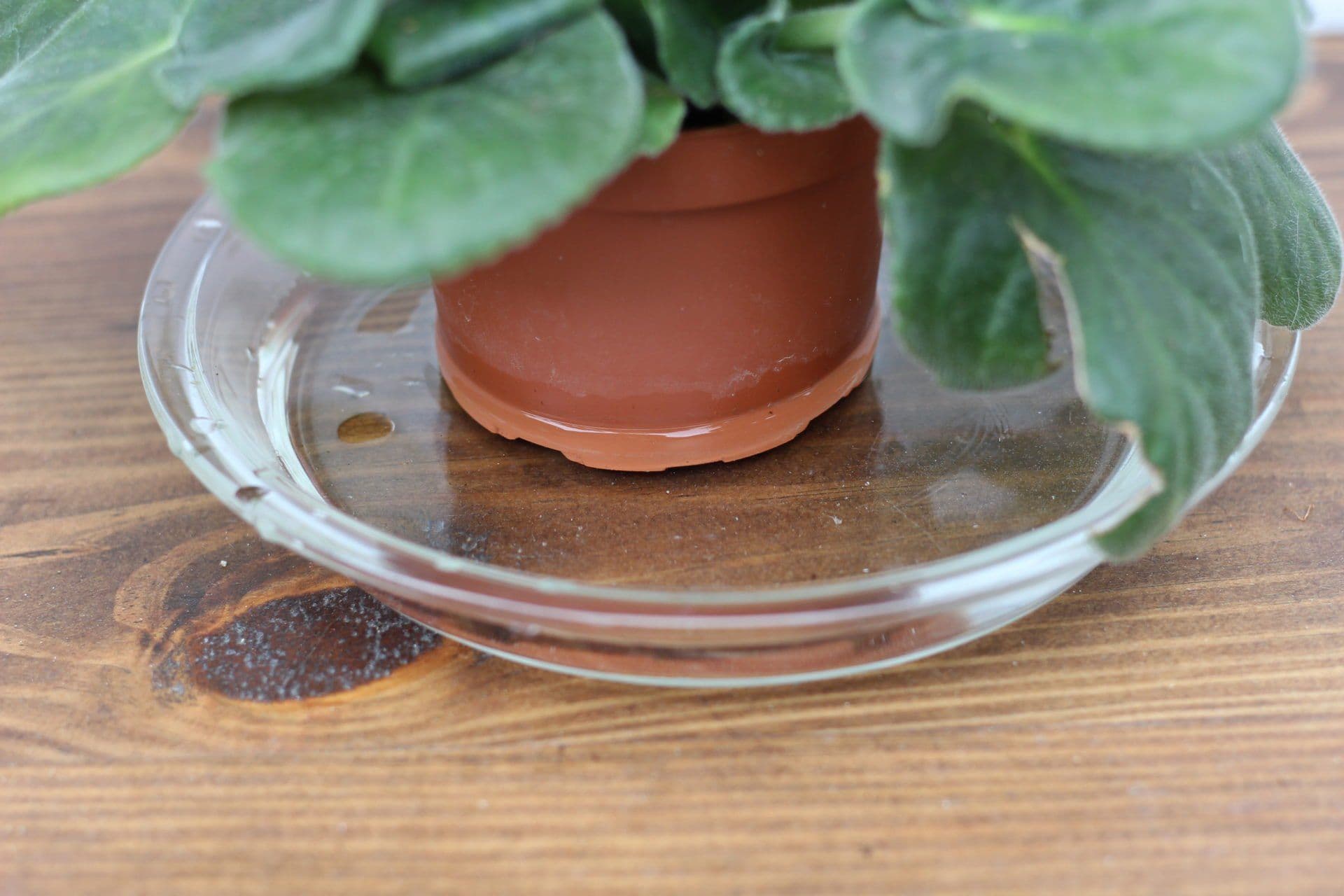
Bottom watering helps soil absorb moisture evenly and keeps foliage dry, reducing the risk of missed dry spots or root problems. Place the pot in a tray of water for a short time, then let it drain well.