



Best Soil for corn (Zea mays)

For healthy roots, Zea mays grows best in soil that stays evenly moist, drains well, and has a loose, fertile texture.

Soil Texture

Loamy, Silty, Organic-rich

Soil pH

Acidic (5.5–6.5), Slightly acidic (6.5–7.0)

Soil Drainage

Moist but well-drained

Zea mays Soil Guide

Originally domesticated in southern Mexico, Zea mays developed in warm growing areas with seasonally moist, fertile ground. That background explains its preference for soil that stays evenly moist but still drains well, so roots get both water and oxygen.

A loose loamy to silty texture with plenty of organic matter suits its dense, fibrous root system. The best soil for corn holds steady moisture and nutrients without becoming heavy or compacted, which supports fast top growth and strong root spread through the season.

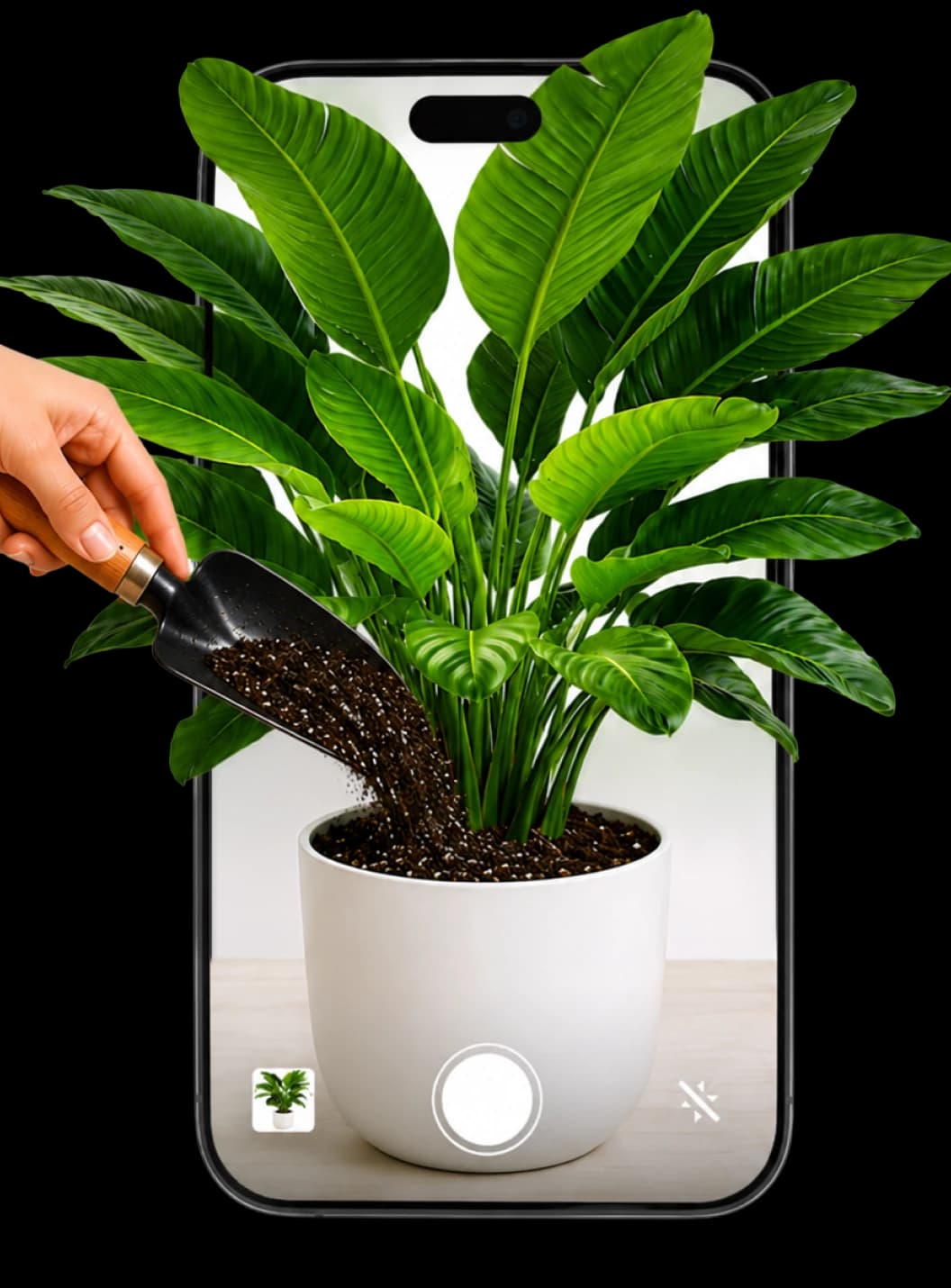
A simple homemade mix can give Zea mays the balance of air, moisture retention, and structure it needs in a container.

100% total mix = 20 scoops
10%
perlite or pumice2 scoops
20%
coco coir or peat moss4 scoops
30%
compost or well-aged organic matter6 scoops
40%
high-quality potting soil8 scoops

The finished blend should feel crumbly and rich, hold together lightly when squeezed, and let extra water pass through without turning dense or muddy.

A slightly acidic to near-neutral range of about 5.5–7.0 suits corn well. Within that window, key nutrients such as nitrogen, phosphorus, and potassium stay more available to the roots.

Zea mays usually performs best when soil is not strongly acidic or alkaline. If pH drifts too far in either direction, nutrient uptake can become less efficient even when those nutrients are present.

Soil issues often show up first as weak growth or poor stability. In corn, root stress can also reduce the plant's ability to support fast top growth.

Compaction:

Heavy, pressed soil can limit air around roots and slow establishment; gently loosen the surface and check whether the mix has become dense.

Poor drainage:

If the container stays soggy for long periods or smells stale, excess moisture may be collecting; empty standing water and review drainage openings first.

Low organic matter:

Soil that dries into a hard, dusty mass may not buffer roots well; refresh the upper layer with richer material that improves texture.

Shallow rooting support:

Tall stems that lean in otherwise healthy conditions can point to limited root hold; check whether the soil depth and structure are adequate for anchoring.

Scan for Better Soil

Botan can help assess the plant and guide a more suitable soil choice based on growth habit, container setup, and visible condition.

FAQ

Yes. This species develops a broad, fairly deep fibrous root system, so a shallow pot can dry too fast and limit anchoring. A deeper container helps keep conditions more even and supports stronger stability.

Everything About corn

More Plant Soil Guides

Check Your Soil Choice

If growth looks off, Botan’s photo-based assessment can help check whether soil conditions may be part of the problem.

Botan app helping with soil and plant care
12 Best Plants for Bathroom That Thrive in Humid Conditions

9 min read · 29 Sept 2026

12 Best Plants for Bathroom That Thrive in Humid Conditions

Discover the 12 best plants for bathroom spaces. Each pick comes with its own advantages, plus light, humidity, watering, and placement tips. Take a look and match the plant to your specific bathroom.

Plant Recommendations
12 Best Plants for Bathroom That Thrive in Humid Conditions
Rice Water for Plants – Which Plants Love It and How to Make It

8 min read · 14 Jul 2026

Rice Water for Plants – Which Plants Love It and How to Make It

Rice water can be an ideal DIY solution for orchids, roses, or fruiting plants. It supports growth, leaf count, and height. We’ll share how to make and apply it correctly for your plant.

Plant Care
Rice Water for Plants – Which Plants Love It and How to Make It
How to Bottom Water Plants: Complete Guide

6 min read · 13 Jul 2026

How to Bottom Water Plants: Complete Guide

Bottom watering helps soil absorb moisture evenly and keeps foliage dry, reducing the risk of missed dry spots or root problems. Place the pot in a tray of water for a short time, then let it drain well.

Plant Care
How to Bottom Water Plants: Complete Guide