Argentinian biddy-biddy Care (Acaena pinnatifida)

Argentinian biddy-biddy

About Argentinian biddy-biddy

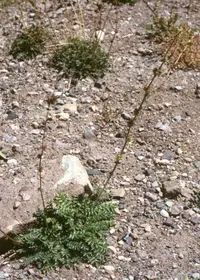
Argentinian biddy-biddy (Acaena pinnatifida) is a low, spreading perennial from South America, often used as a groundcover in cool, open landscapes. It forms dense mats of finely divided, fern-like foliage that stay close to the soil, giving a soft, textured look.

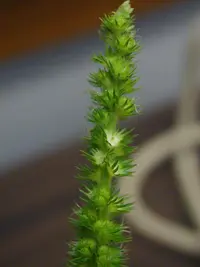
In summer it produces small, rounded flower heads that mature into bristly seed burrs, which can cling to fur and clothing. The plant naturally occurs in grasslands and rocky slopes of Argentina and Chile, where it faces wind, sun, and lean soils.

These traits make it relatively tough but it still needs well-drained soil and moderate moisture. Understanding local climate and drainage is important to successfully care for Argentinian biddy-biddy.


Main Plant Requirements

Care Difficulty

Moderate Care

Light Preference

Full Sun

Water Requirements

Moderate Water

Temperature Preference

Cool Climate

Hardiness Zone

7–9

Soil Texture

Sandy, Loamy, Rocky

Soil pH

Acidic (5.5–6.5), Slightly acidic (6.5–7.0)

Soil Drainage

Well-drained

Fertilization

Minimal (feed rarely)

Get Personalized Care Plan

Scan your plant to receive care tips personalized for your specific plant

Available on iOS and Android

How to Care for the Argentinian biddy-biddy

This low mat-forming groundcover prefers cool, bright conditions with some protection from harsh sun.

  • Provide 4–6 hours of direct morning sun with light afternoon shade; in hotter regions, give filtered light after 11 a.m. to prevent leaf scorch on Argentinian biddy-biddy.
  • In mild, coastal or cloudy climates, it can tolerate full sun, but soil must stay slightly moist and not bake hard.
  • Watch foliage color and density: lanky, pale growth signals too much shade, while crisped, brown leaf tips indicate excess sun exposure.

This species prefers consistently slightly moist, sharply drained soil without prolonged dryness or waterlogging.

  • Water when the top 2–3 cm of soil feels dry, then soak the root zone thoroughly so water reaches 10–15 cm deep, avoiding frequent shallow sprinkling.
  • In spring and early summer, increase watering during active growth; reduce in cool or rainy periods so soil returns to slight dryness between waterings.
  • Yellowing, soft foliage and a swampy smell suggest overwatering or poor drainage, while crisp, browning leaf edges and shrinking mats indicate underwatering stress in Acaena pinnatifida.

This groundcover is cool-temperate and handles a wide range of outdoor conditions when established.

  • Best growth occurs around 55–70°F (13–21°C), especially in spring and fall, when soil stays cool and evenly moist.
  • Mature plants tolerate down to about 10–15°F (-12 to -9°C) with mulch; foliage may burn, but crowns usually resprout in spring.
  • Heat tolerance is moderate; in spells above 85°F (29°C), provide extra shade and moisture, and avoid planting against heat-reflective walls or paving.

This species handles a wide humidity range and usually does not need special humidity control.

  • Performs well at 30–60% humidity, similar to most heated or air-conditioned homes and outdoor temperate conditions.
  • Tolerates short dry-air spells without damage, provided soil moisture is steady and roots do not dry out completely.
  • Humidity stress shows as crisping leaf edges and slow growth; improve conditions with a nearby pebble tray or grouping plants to slightly raise local humidity.

This groundcover prefers loose, well-drained soil that does not stay wet for long after watering or rain.

  • Use a gritty mix such as 50–60% loam or general-purpose potting substrate with 40–50% coarse sand or fine gravel for drainage.
  • Aim for slightly acidic to neutral pH, around 6.0–7.0, which suits Acaena pinnatifida root function and nutrient uptake.
  • Incorporate a modest amount of compost or leaf mold to add structure and organic matter without creating a heavy, waterlogged medium.
  • Avoid compacted clay, peat-heavy mixes that stay soggy, or any soil where water pools on the surface for more than a few minutes.

This species is suitable for shallow, wide containers that allow its creeping habit to spread.

  • Choose a broad, low pot so stolons can root and spread while keeping the root zone shallow but laterally extensive.
  • Use a heavier material such as ceramic or clay outdoors to prevent light containers from tipping as the plant spreads unevenly.
  • Raise the pot slightly on feet or pot risers so side-draining holes are not blocked and runoff can escape freely after rain or watering.

This hardy groundcover needs only light feeding in average garden soil, so focus on modest support rather than heavy fertilization for Argentinian biddy-biddy.

  • In spring, apply a thin layer of compost around plants to boost soil organic matter and microbial activity.
  • Use a balanced slow-release fertilizer (around 10-10-10) at low label rates once at the start of the growing season.
  • Avoid high-nitrogen lawn fertilizers, which encourage soft growth and may reduce stress tolerance.
  • Do not feed in winter dormancy; in mild climates, stop fertilizing by late summer to allow growth to harden.

Acaena pinnatifida benefits from light, periodic pruning to maintain a dense, tidy mat and healthy foliage.

  • In late winter or early spring, trim back any winter-burned, dead, or weak stems with clean hand shears.
  • Shear lightly after flowering if burrs become untidy or to reduce self-seeding in adjacent beds.
  • Thin congested patches by removing a few older stolons to improve air flow and reduce fungal risk.
  • Spot-cut any runners invading paths or neighboring plants to define edges and control spread.

This species is more often transplanted as a groundcover than grown long term in containers.

  • Transplant in early spring or early fall when weather is cool and soil moisture is even, which limits stress.
  • Choose a well-drained site and amend heavy clay with grit or coarse compost to prevent waterlogging of the shallow roots.
  • Lift and move patches using a trowel, keeping a generous soil clump around the root system to reduce disturbance.
  • Water thoroughly after transplanting, then keep soil lightly moist for 1–2 weeks until new growth confirms establishment.

Acaena pinnatifida is commonly propagated by division, runners, or seed to expand groundcover patches.

  • Divide established clumps in early spring, lifting sections with roots and replanting immediately at the same depth.
  • Pin down creeping stems (stolons) onto bare soil; once rooted, cut and transplant as new plants.
  • Sow fresh seed in fall or early spring in gritty, free-draining mix and keep evenly moist until germination.
  • Provide bright light, good air circulation, and cool to mild temperatures (50–65°F) to support strong early growth.

This plant is generally cold hardy in temperate climates and needs minimal winter care in the ground.

  • Tolerates light to moderate frost once established, provided soil drains freely and does not stay saturated.
  • In colder zones or exposed sites, apply a 2–5 cm mulch around but not over the crowns to buffer freeze–thaw cycles.
  • Container-grown plants are more vulnerable; move pots to a sheltered, unheated area where soil stays just above freezing.

Care Tips

Control spreading edges

Install a shallow root barrier (edging, pavers, or buried plastic 5–8 cm deep) around planting areas to prevent this mat-forming plant from creeping into paths or lawns while still allowing it to fill in as a dense groundcover.

Encourage dense mats

After flowering and burr formation, lightly shear the top 1–2 cm of growth to remove old burrs and stimulate fresh, compact foliage that knits together into a tighter carpet.

Monitor burr formation

In high-traffic areas, remove or rake off seed burrs before they fully harden to reduce them sticking to pet fur, clothing, or wildlife while still allowing some seed to drop where natural spread is desired.

Use gravel mulch

Top-dress around young plants with a thin 0.5–1 cm layer of fine gravel or grit to suppress weeds, keep foliage off wet soil, and highlight the foliage texture without trapping excess moisture.

Check for crown rot

Inspect plant crowns at the end of wet seasons and remove any brown, mushy sections promptly, then improve air flow or drainage in that spot to support long-term success when growing Argentinian biddy-biddy.

Common Pests and Diseases

Acaena leaf miner

This pest creates pale, winding tunnels inside the leaflets that later turn brown and dry. Symptoms include distorted foliage and small translucent patches on the leaves.

Solution

Remove and dispose of heavily mined leaves to reduce the developing larvae population. Encourage natural predators, avoid broad-spectrum insecticides, and, if damage is ongoing, use a targeted systemic insecticide labeled for leaf miners according to label directions.

Scale insects

These insects appear as small, dome-shaped bumps on stems and leaf stalks, often causing yellowing and reduced vigor. This pest feeds on plant sap and may leave sticky honeydew on nearby surfaces.

Solution

Wipe or gently scrape off visible scale with a cotton pad dipped in diluted alcohol, then rinse the plant. For persistent infestations, apply a horticultural oil or insecticidal soap thoroughly to stems and leaf bases, repeating at 7–14 day intervals as needed.

Botrytis blight

This disease causes soft, water-soaked spots on leaves and stems that develop a gray, fuzzy mold, especially in cool, damp conditions. Symptoms include collapse of affected foliage and browning at the crown.

Solution

Remove and discard all infected foliage, then improve air circulation and avoid overhead watering so foliage dries quickly. In very wet periods, thin surrounding vegetation and, if outbreaks are recurrent, use a fungicide labeled for botrytis on ornamentals as a preventative spray.

Snow mold

This disease develops under prolonged snow cover or very wet, cold conditions, leading to matted, brown, and patchy foliage once the snow melts. Symptoms include dead patches within the mat-forming carpet and a slow recovery in spring.

Solution

Rake out and remove damaged foliage in early spring to improve air movement through the mat and promote regrowth. Avoid heavy late-season nitrogen fertilization, ensure good drainage, and in areas with repeated issues, lightly top-dress with sand or grit to keep the crown drier.

Interesting Facts

Spiny burr fruits

This species produces small spherical burrs armed with stiff spines that easily latch onto animal fur or clothing, a dispersal strategy that helps the plant spread across open ground in its native Patagonian habitats.

Patagonian groundcover

It is native to southern South America, especially Patagonia, where it grows as a low, mat-forming herb in open, often windy sites, helping stabilize soil in harsh climates with strong temperature fluctuations.

Fernlike compound leaves

The foliage is finely divided into many small leaflets, giving a fernlike appearance that increases the leaf surface area for photosynthesis while maintaining flexibility in exposed, windy conditions.

FAQs about Argentinian biddy-biddy

This species spreads by creeping stems and can form dense mats over time. In suitable conditions it can edge into nearby planting areas, so use edging, regular trimming, or confined beds to keep it within bounds.

Grow Healthy Plants with Botan Care

Keep your plants happy and healthy with plant identification, disease detection, and easy care guidance.

Botan plant care app — identify plants on mobile

Explore More Plants