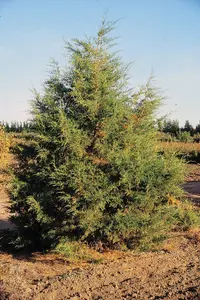
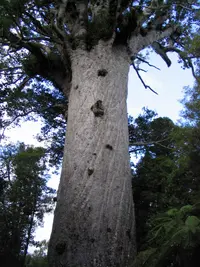
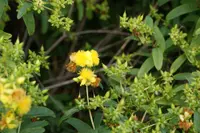
Cheshunt Pine Care (Diselma archeri)

Cheshunt Pine

About Cheshunt Pine

Cheshunt pine, Diselma archeri, is a slow-growing, small conifer native to the cool, wet alpine regions of Tasmania. It often forms compact, dense shrubs that can resemble miniature cypress trees.

Foliage is made up of tiny overlapping scale-like leaves, giving a fine texture and a neat, architectural look in rock gardens or container plantings. Growth is naturally tidy, so pruning is rarely needed.

This species prefers cool conditions, consistent moisture, and acidic, well-drained soil, which can make it more challenging in hot or dry climates. Understanding how to care for Cheshunt Pine starts with providing protection from heat and drying winds.

Main Plant Requirements

Care Difficulty

Hard Care

Light Preference

Partial Shade

Water Requirements

Keep Soil Moist

Temperature Preference

Cold Hardy

Hardiness Zone

7–9

Soil Texture

Loamy, Peaty, Organic-rich

Soil pH

Strongly acidic (4.5–5.5), Acidic (5.5–6.5)

Soil Drainage

Moist but well-drained

Fertilization

Minimal (feed rarely)

Get Personalized Care Plan

Scan your plant to receive care tips personalized for your specific plant

Available on iOS and Android

How to Care for the Cheshunt Pine

Diselma archeri prefers cool, bright conditions that mimic its native highland habitat.

  • Provide 3–5 hours of gentle morning sun with light shade or dappled light for the rest of the day; avoid intense afternoon sun in warm climates.
  • Tolerates partial shade, but very deep shade causes sparse, open growth and dull foliage on Cheshunt Pine over time.
  • In hot summers, protect from sun between 1–4 p.m., and in winter ensure it receives maximum available light, especially in cooler coastal or mountain sites.

This species prefers consistently moist, cool soil without becoming waterlogged.

  • Water when the top 2–4 cm of soil feels barely damp rather than fully dry, focusing on deep, thorough soaking rather than frequent light sprinkling.
  • Ensure sharply drained, acidic soil; pooling water around the roots, slow growth, and yellowing, soft foliage indicate overwatering or poor drainage.
  • In cooler months reduce frequency, using soil feel as a guide; in dry, windy, or hot periods, monitor more often to prevent browning shoot tips and twig dieback.

This cool-climate conifer handles cold far better than prolonged heat.

  • Ideal growing range is 45–65°F (7–18°C), with best vigor in sites that stay cool year-round and avoid hot, reflective surfaces.
  • Mature plants tolerate brief drops to about 10–15°F (-12 to -9°C), but young plants benefit from shelter from severe, drying winter winds and sudden freezes.
  • Heat above 80°F (27°C), especially with low humidity, stresses the plant; provide shade, mulch, and wind protection during hot spells to keep roots and foliage cooler.

This slow-growing conifer prefers cool, consistently moist air and does not enjoy dry indoor conditions.

  • Aim for 50–70% humidity, especially in heated or air-conditioned rooms.
  • Tolerates only brief dry air; browning scale-like leaves and crispy tips signal low humidity stress.
  • Increase humidity with a nearby pebble tray, grouped plants, or a small cool-mist humidifier placed close but not blowing directly on Cheshunt Pine.

This species needs evenly moist, cool, sharply drained soil that never becomes waterlogged or bone dry.

  • Use a fine, moist, humus-rich loam with added sharp sand or grit to improve drainage and prevent compaction.
  • Target slightly acidic conditions around pH 5.5–6.5, avoiding strongly alkaline mixes that can restrict nutrient uptake.
  • Blend roughly 50% peat-free compost, 30% loam, and 20% horticultural grit or perlite to maintain aeration and moisture balance.
  • Avoid heavy clay, dense potting blends, or sites where water stands after rain, which increase root rot risk for Diselma archeri.

This species can be grown in containers, especially in cool, moist climates, if moisture and drainage are carefully managed.

  • Choose a deep, heavy container to keep the slow, upright plant stable in wind and to buffer rapid moisture swings.
  • Select thick-walled terracotta if extra evaporation is desired, or glazed clay in hotter regions to slow drying.
  • Raise the pot on feet so drainage holes stay clear and cold excess water can escape quickly after rain or irrigation.

This slow-growing Tasmanian conifer needs very modest feeding, especially when grown as Cheshunt Pine in containers.

  • Use a low-dose, balanced slow-release fertilizer (for example 10-10-10) in spring for container plants only.
  • Feed once per year during active growth; avoid summer heat waves and drought-stressed periods.
  • Dilute liquid feeds to 1/2–1/4 strength if used instead of slow-release granules.
  • Do not fertilize wild, in-ground, or very established plants unless growth is clearly nutrient-limited.

Diselma archeri needs minimal pruning, mainly to maintain structure and remove problem growth.

  • Carry out light pruning in late winter to early spring before new growth starts.
  • Remove dead, diseased, or storm-damaged shoots back to healthy wood.
  • Thin slightly crowded branch tips rather than shearing, to preserve the plant’s natural form.
  • Use clean, sharp hand pruners and make small cuts to avoid shocking this slow grower.

This species is usually grown in the ground, with transplanting done carefully due to its fine root system.

  • Transplant in early spring or early autumn when temperatures are mild and soil is moist.
  • Look for circling roots, water sitting on the surface, or slowed growth as signs a container plant needs more space.
  • Move up only 1 pot size, using a free-draining, slightly acidic mix to limit root disturbance.
  • Water thoroughly after transplanting, then keep soil evenly moist and shaded for 1–2 weeks to reduce stress.

Propagation of this species is possible but somewhat slow and best for patient growers.

  • Use semi-ripe cuttings in late summer, 5–8 cm long, taken from healthy, non-flowering shoots.
  • Remove lower foliage, dip in rooting hormone, and place in a sharply drained, slightly acidic medium.
  • Maintain high humidity, bright but indirect light, and stable temperatures around 60–70°F.
  • Seed propagation is slow and requires fresh seed plus a cool, moist stratification period to improve germination.

This cool-climate conifer is generally cold hardy but still benefits from thoughtful winter care, especially in containers.

  • Tolerates light to moderate frost when established, provided drainage is excellent.
  • Apply 5–8 cm of organic mulch over the root zone, keeping it slightly away from the stem base.
  • Shelter young or potted plants from drying winter winds using screens or a protected site.
  • Move containers to an unheated, bright, frost-sheltered spot where soil does not freeze solid.

Care Tips

Wind exposure management

Site the plant where it receives good air movement but is shielded from strong, drying winds, for example by a low hedge or windbreak netting, to prevent foliage scorch and tip dieback.

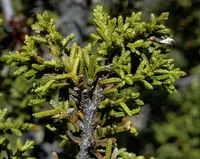
Cool-root mulching

Apply a 5–8 cm layer of fine bark or leaf litter around the root zone, keeping it a few cm away from the stem, to keep roots cool, reduce moisture swings, and mimic its natural alpine forest floor.

Gradual establishment watering

In the first 1–2 years, water less often but more deeply and then extend the interval between waterings as roots penetrate deeper, which helps the plant develop better drought resilience long term.

Subtle form shaping

If a more compact or even outline is desired, lightly pinch or tip-prune only the newest soft growth in late spring, avoiding cuts into old wood since this species recovers slowly from hard pruning.

Microclimate testing

In warmer or low-elevation gardens, trial planting 1–2 specimens in slightly different exposures and soil positions helps identify the most suitable microclimate for growing Cheshunt Pine in that specific site.

Common Pests and Diseases

Cypress aphids

This pest feeds on young scale-like foliage and stems, causing yellowing, thinning, and reduced vigor, especially on sheltered or stressed plants.

Solution

Prune out and destroy heavily infested shoot tips, then hose down foliage to dislodge remaining aphids. For persistent infestations, use a targeted horticultural soap or light horticultural oil spray, applied thoroughly to the foliage in cool, dry conditions, and reduce plant stress by maintaining even soil moisture.

Cypress scale

This pest appears as small, flattened, waxy bumps on stems and older foliage, leading to dull, yellowing sprays and gradual dieback if populations are high.

Solution

Trim out badly affected twigs and dispose of them, then wash branches with a strong water spray to reduce scale numbers. For continuing problems, apply horticultural oil during the crawler stage (young, mobile scale) and improve plant health with correct watering and good soil drainage to increase natural resistance.

Cypress canker

This disease causes sunken, resinous lesions on stems and branchlets, leading to browning foliage and dieback of entire sections, often starting on stressed plants in low-airflow sites.

Solution

Remove and destroy all affected branches, cutting 10–15 cm below visible symptoms, and disinfect tools between cuts with alcohol or a 10% bleach solution. Improve air circulation, avoid overhead watering, and keep the plant unstressed with appropriate watering and mulch; in plantings with a history of cypress canker, avoid crowding and monitor for early symptoms as part of Diselma archeri care.

Needle blight

This disease leads to browning and shedding of the fine, scale-like leaves from the interior of the plant outward, especially under cool, moist conditions and poor airflow.

Solution

Thin dense growth lightly to improve airflow and promptly remove fallen, discolored foliage from around the base. Avoid prolonged leaf wetting, water at soil level, and if the problem recurs in damp climates, apply a suitable copper-based or other labeled fungicide during cool, wet periods according to local guidelines.

Interesting Facts

Ancient Tasmanian relic

This species is a paleoendemic conifer, meaning it is a relict left from ancient floras and now survives naturally only in high-altitude regions of western and southwestern Tasmania.

Extreme habitat specialist

It grows almost exclusively in cold, wet, wind-exposed alpine and subalpine heath and cushion plant communities, often on peaty, waterlogged soils where many other woody plants struggle to persist.

Natural cushion former

Over time it can form dense, low, cushion-like mats that help buffer temperature extremes at ground level and create microhabitats for small alpine organisms.

Botan icon

Did you know?

The entire natural distribution of this species is so restricted that it is considered globally rare, and its long-term survival is closely tied to the persistence of cool, high-rainfall Tasmanian alpine climates that are now highly vulnerable to warming and fire.

FAQs about Cheshunt Pine

This species is an evergreen conifer, retaining foliage year-round rather than dropping leaves seasonally. Individual scale-like leaves may age and be shed, but overall the plant stays green and functional through all seasons in suitable climates.

Grow Healthy Plants with Botan Care

Keep your plants happy and healthy with plant identification, disease detection, and easy care guidance.

Botan plant care app — identify plants on mobile

Explore More Plants