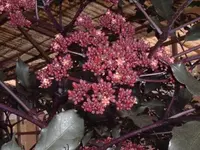
Cranberry Heath Care (Styphelia humifusa)

Also known as: Native Cranberry
Cranberry Heath

About Cranberry Heath

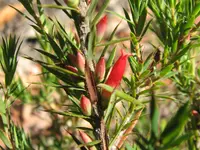
Cranberry heath, Styphelia humifusa, is a low, mat-forming shrub from southern Australia, often used as a compact groundcover in cool, mild climates. It belongs to the heath family and typically shows small, fine foliage with bright red, berry-like fruits that stand out against the dense green mat.

In nature it grows in nutrient-poor, sandy or gravelly soils and often in coastal or heathland environments. These origins make it somewhat demanding in cultivation, as it dislikes heavy, waterlogged, or very rich soils.

It typically prefers bright light, cool conditions, and sharply drained, slightly acidic soil, so gardeners who want to care for Cranberry Heath need to match these conditions as closely as possible.

Main Plant Requirements

Care Difficulty

Hard Care

Light Preference

Full Sun

Water Requirements

Low Water

Temperature Preference

Warm Climate

Hardiness Zone

9–11

Soil Texture

Sandy, Loamy, Rocky

Soil pH

Strongly acidic (4.5–5.5), Acidic (5.5–6.5)

Soil Drainage

Well-drained

Fertilization

Minimal (feed rarely)

Get Personalized Care Plan

Scan your plant to receive care tips personalized for your specific plant

Available on iOS and Android

How to Care for the Cranberry Heath

This low, mat-forming shrub prefers bright conditions with cool roots and gentle overhead light.

  • Provide 4–6 hours of direct morning sun with light shade or filtered light in the hot afternoon, especially in warmer climates.
  • It tolerates light to partial shade, but flowering of Cranberry Heath declines and growth becomes sparse if it receives less than about 3–4 hours of bright light.
  • In summer, protect from harsh reflective heat and scorching midday sun; in winter, allow more open exposure to capture weaker light.

Watering for this species focuses on even moisture in a sharply drained, acidic soil profile.

  • Allow the top 2–4 cm of soil to dry before watering again, then soak thoroughly so water drains quickly away from the root zone.
  • Reduce watering in cool seasons, watching the foliage for stress: dull, shriveling tips suggest the plant has stayed too dry for too long.
  • Yellowing leaves, sudden leaf drop, or a sour smell from the root area indicate overwatering or poor drainage, common issues in heavy or compacted soils for Styphelia humifusa.

This plant performs best in mild, temperate climates with cool nights and moderate daytime warmth.

  • Aim for 60–75°F (16–24°C) during active growth, which supports steady root and shoot development without heat stress.
  • Mature plants tolerate brief drops to about 25°F (−4°C), but repeated hard frosts or freezing, waterlogged soil increase the risk of root damage.
  • In hot regions, temperatures above 90°F (32°C) can stress plants; combine afternoon shade with mulch to keep the root zone cooler and reduce heat shock.

Humidity plays a minor role for Styphelia humifusa, which is adapted to dry, airy conditions.

  • Target 30–50% humidity, similar to typical indoor air, as higher levels increase the risk of fungal issues.
  • This shrub tolerates dry air well, but prolonged humidity above 60% around dense foliage can cause leaf spotting and dieback.
  • Improve air movement with a small fan or open window and avoid grouping tightly with moisture-loving plants to limit stagnant, humid air.

Styphelia humifusa prefers sharply drained, sandy soil that mimics its native heathland conditions.

  • Use a gritty mix such as 50–60% coarse sand, 20–30% fine pine bark, and 10–20% perlite to keep the root zone open and fast-draining.
  • Aim for slightly acidic soil with pH 5.0–6.5, avoiding lime or heavy additions of wood ash that push pH upward.
  • Avoid dense, clay-rich, or peat-heavy mixes that hold water, since these promote root rot and rapid decline.
  • If native soil is heavy, plant on a mound or raised bed with the gritty mix to improve aeration and surface drainage.

This low, spreading shrub can be grown in containers if its need for sharp drainage and a shallow, wide root run is respected.

  • Choose a broad, shallow pot so the roots can spread laterally while the mix dries evenly between waterings.
  • Select a rigid, heavier material like ceramic to stabilize the plant’s sprawling stems against wind or accidental knocks.
  • Raise the container on feet or bricks so water clears the drainage holes quickly and does not linger under the base.

Styphelia humifusa is a low-nutrient, heathland species that benefits from only light, carefully chosen feeding.

  • Use a low-phosphorus, acid-forming fertilizer or light compost, avoiding high-phosphorus products that can damage roots.
  • Apply a very dilute liquid or slow-release formulation in early spring, once new growth starts.
  • Feed sparingly 1–2 times during the growing season, then stop in late summer to allow hardening of new shoots.
  • For Cranberry Heath in poor native soils, focus on leaf litter or fine bark mulch rather than heavy fertilization.

Styphelia humifusa needs only light structural pruning to maintain a compact, flowering form.

  • Prune soon after main flowering finishes so new shoots have time to mature before cold weather.
  • Remove dead, damaged, or crossing stems with clean, sharp hand pruners to limit disease entry.
  • Shorten overly long or leggy shoots by up to one-third to keep a dense, low habit.
  • Avoid cutting into very old, bare wood, as regrowth from these sections is often weak.

This species is usually grown in the ground, so focus on careful transplanting rather than frequent repotting.

  • Transplant in late winter to early spring, when growth is just starting but temperatures are mild.
  • Look for slowed growth, poor flowering, or roots circling a pot as signs a container plant needs more space.
  • Move into a slightly larger, very free-draining, acidic mix, disturbing the root ball as little as possible.
  • Water thoroughly after moving, then keep soil just moist and shaded for 1–2 weeks to reduce transplant shock.

Styphelia humifusa is typically propagated by semi-hardwood cuttings or seeds under controlled conditions.

  • Take semi-hardwood cuttings in late summer, using non-flowering tips 5–8 cm long.
  • Dip the cut end in rooting hormone, then insert into a coarse, acidic, well-drained mix under high humidity.
  • Provide gentle bottom heat (around 68–72°F) and bright, indirect light to encourage root formation.
  • Sow fresh seed in an acidic mix; some lots need smoke treatment and cool stratification to break dormancy.

This low shrub is mildly frost tolerant but benefits from simple winter precautions in colder regions.

  • In climates below about 25°F, add a 5–8 cm layer of fine bark or leaf mulch around, not against, the stems.
  • Avoid waterlogged soils in winter, as saturated roots combined with cold strongly increase loss risk.
  • For container plants, move pots to a sheltered porch or unheated greenhouse during hard freezes.

Care Tips

Low-phosphorus strategy

Choose fertilizers formulated for Australian natives or low-phosphorus plants and avoid products with added superphosphate, as high phosphorus can damage the fine roots of this species over time.

Wide, shallow planting

Plant in a wide, shallow mound or raised bed rather than a deep hole so the fibrous roots sit in the top 10–15 cm of soil, which improves drainage and reduces the risk of root rot.

Summer heat protection

During hot, dry spells, provide temporary shade cloth in the hottest part of the afternoon and use a coarse mulch to keep the root zone cooler without crowding the woody crown.

Airflow for disease control

Space plants with at least 30–40 cm between them and avoid dense mixed plantings around the base to maintain good air movement and reduce fungal issues in humid or rainy periods.

Gentle root handling

When transplanting, keep the root ball intact, slide it from the pot with minimal disturbance, and water in lightly with a low-phosphorus seaweed tonic to help the plant re-establish after moving, which is critical when growing Cranberry Heath in home gardens.

Common Pests and Diseases

Scale insects

This pest often attaches along stems and the undersides of leaves, sucking sap and causing yellowing, leaf drop, and reduced vigor.

Solution

Gently scrub affected stems and leaves with a soft brush dipped in mild soapy water or horticultural oil, then rinse lightly; repeat every 7–10 days until new growth is clean. For plants in the ground, improve vigor with correct watering and avoid excess nitrogen, which encourages soft, pest‑prone growth.

Mites

These insects are tiny and can cause fine stippling, dull foliage, and webbing on dense, fine-textured foliage, especially in hot, dry conditions.

Solution

Increase humidity around the plant with gentle overhead misting on warm mornings and hose down foliage to physically remove mites. If populations persist, use a miticide or horticultural oil labeled for ornamental shrubs, applied in the cool part of the day and repeated as directed.

Phytophthora dieback

This disease causes progressive wilting, foliage browning from the tips inward, and dieback of stems, particularly in poorly drained or periodically waterlogged soils.

Solution

Remove and destroy affected branches and avoid any standing water around the root zone by improving drainage or planting on a slight mound. Do not overwater, disinfect tools after pruning, and in high-risk areas consider a phosphite (phosphonate) soil drench or trunk spray according to label directions as part of broader Styphelia humifusa care instructions.

Botrytis blight

This disease develops in humid, stagnant air and appears as brown spots on foliage and stems that may develop grey, fuzzy mold on crowded or shaded plants.

Solution

Prune lightly to improve airflow through the dense mat of foliage, remove all affected plant material, and avoid overhead watering late in the day. In persistent cases, apply a fungicide labeled for Botrytis on ornamental shrubs, following the recommended spray intervals.

Sooty mold

This disease grows on the sticky honeydew secreted by sap-sucking insects, coating the fine foliage with a black film that reduces photosynthesis and dulls appearance.

Solution

Address the underlying sap-sucking pests such as scale or aphids using washing and targeted treatments, then gently rinse foliage to gradually remove the black coating. Improve airflow and light exposure to help new clean growth replace heavily contaminated shoots.

Interesting Facts

Low-growing coastal specialist

This species forms a very low, mat-like shrub native to coastal heathlands of southwestern Western Australia, where it grows on nutrient-poor, sandy soils exposed to wind and salt spray.

Showy tubular flowers

Its small, bright pink to red tubular flowers are adapted for bird pollination, with nectar hidden deep in the tube to match the beaks and feeding behavior of local nectar-feeding birds.

Adapted to poor soils

Like many members of the heath family (Ericaceae sensu lato), it has fine, hair-like roots and specialized root associations with soil fungi, which improve nutrient uptake in extremely low-phosphorus substrates.

FAQs about Cranberry Heath

This species performs best outdoors in cool, well-drained, acidic conditions and full sun to light shade. Indoors, light, humidity, and airflow are usually inadequate, so long-term Cranberry Heath indoor care is challenging and often unsuccessful.

Grow Healthy Plants with Botan Care

Keep your plants happy and healthy with plant identification, disease detection, and easy care guidance.

Botan plant care app — identify plants on mobile

Explore More Plants