Pinch For Bushiness
Pinch back the soft tips of each stem in late winter or early spring to encourage dense, branching growth and more flowering shoots instead of tall, open canes.

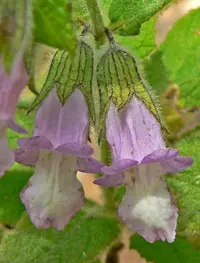
Island pitchersage (Lepechinia fragrans) is an aromatic, shrubby perennial from coastal southern California and the Channel Islands. It forms a loose, bushy shape with soft, felted leaves and upright flower spikes. The plant produces tubular, usually pale lavender to white flowers that attract bees, butterflies, and hummingbirds. Its foliage releases a strong sage-like scent when touched. In the wild, island pitchersage grows on dry slopes and rocky areas, so it prefers sun, good air movement, and sharply drained soil in cultivation. Once established, it tolerates heat and drought, which makes it relatively easy to manage for gardeners who want to learn how to care for island pitchersage.

Care Difficulty
Easy Care

Light Preference
Full Sun

Water Requirements
Low Water

Temperature Preference
Warm Climate

Hardiness Zone
9–11

Soil Texture
Sandy, Loamy, Rocky

Soil pH
Slightly acidic (6.5–7.0), Neutral (7.0)

Soil Drainage
Well-drained

Fertilization
Minimal (feed rarely)
Scan your plant to receive care tips personalized for your specific plant
Available on iOS and Android
Lepechinia fragrans prefers bright, dry conditions similar to its native coastal chaparral habitats.
This drought-tolerant shrub prefers infrequent, deep watering once established.
This species thrives in mild, Mediterranean-type climates with dry summers and cool, frost-light winters.
This species handles typical household humidity and does not require special humidity management.
Lepechinia fragrans prefers lean, sharply drained soil that mimics rocky coastal slopes.
This species is suitable for container growing when given a fast-draining setup and stable pot.
This Mediterranean-climate shrub is light-feeding, so focus on modest nutrition rather than heavy fertilization for island pitchersage.
Lepechinia fragrans responds well to thoughtful pruning that maintains shape and encourages dense, flowering growth.
This shrub is usually grown in the ground, so focus on careful transplanting and only occasional container upsizing.
New Lepechinia fragrans plants are most often produced from semi-ripe cuttings, with seeds used less frequently.
This shrub is suited to mild, frost-light climates and usually needs only basic winter attention in the ground.

Plant Health Check
Not sure what's wrong with your plant? Check your plant's health inside the app.
This species is native to chaparral and coastal sage scrub on the Channel Islands and a few nearby mainland sites in California, where it is adapted to dry summers, mild winters, and periodic fire.
Its glandular leaves release a strong resinous, mint-sage scent when touched, produced by surface oil glands that likely help reduce herbivory and water loss.
The tubular, pale lavender to white flowers are shaped and positioned to favor hummingbird pollination, with nectar and stigma placement that match the feeding posture of these birds.

Lepechinia fragrans is considered a narrow regional endemic, with much of its natural distribution restricted to California’s Channel Islands, which makes habitat conservation critical for the long-term survival of wild populations.
Lack of flowering is often due to insufficient light, overly rich or wet soil, or heavy spring pruning. This species blooms best in full sun, lean, well-drained soil, and when only lightly shaped after flowering.
Keep your plants happy and healthy with plant identification, disease detection, and easy care guidance.